
Nenan Dane explores possibilities on child welfare rights at Treaty 8
First Nations in northeast B.C. explored options to develop their family services during a workshop hosted by Nenan Dane Zaa Deh Zona Family Services Society.
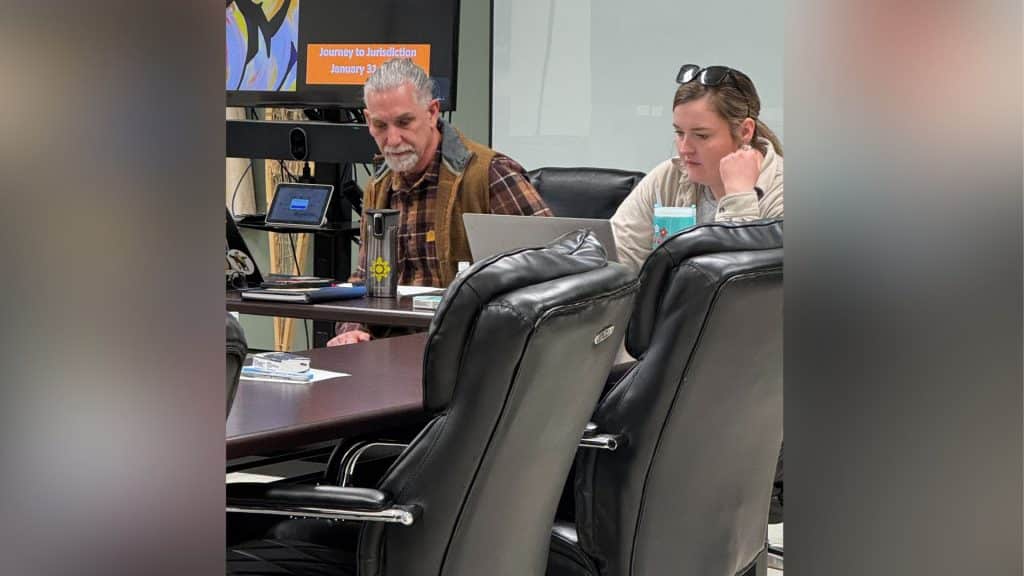
FORT ST. JOHN, B.C. — First Nations in northeast B.C. explored options to develop their family services during a workshop late last week.
First Nations’ family services group Nenan Dane Zaa Deh Zona Family Services Society brought Treaty 8 communities together for a meeting about child welfare jurisdiction on Friday, January 31st.
‘Reasserting Jurisdiction for Treaty 8’ took place at Treaty 8 offices in Fort St. John, with delegates from Halfway River First Nation, Doig River First Nation and Saulteau First Nation in attendance.
Local News Straight
to Your Phone
Download our app today!
Available on Android and iOS devices
They were considering the principle of implementing their own family services for Indigenous children, youth and families residing in Treaty 8.
Bart Knudsgaard – a social worker who has worked alongside the Ministry of Child and Family Development (CAFD) and the First Nations community during his career – led the event.
He assisted in developing the Ktunaxa First Nations’ child welfare system, is currently a consultant working with Indigenous communities in B.C. and the Yukon and says Indigenous-centric services are based on “perspective”.
“In other communities, workers are trained in identifying safety issues and risks. A lot of it is very transactional,” said Knudsgaard. “With First Nation communities, it’s looking at the question of ‘what are family strengths?’ and building on those.
Latest Stories
“This way families can parent children the way they’ve always wanted to. We can also support them in dealing with past traumas. But it’s coming from more strength-based relations versus simple assessment.”
While Indigenous children under 14 only make up 7.7 per cent of the population, they account for over half of children in foster care, at 53.8 per cent, according to the 2021 census.
In 2020, the federal government implemented C-92: The Act Respecting First Nations, Inuit and Métis Children, Youth and Families after discussions with various communities began in 2018.
It highlighted six points of action, including:
- Reforming child services to a flexible funding model
- Prevention and early intervention
- Exploring the potential for co-developed family services legislation
- Accelerating the work of nationwide technical and trilateral data tables
- Supporting Metis and Inuit to advance culturally-appropriate reform
- Developing a data and reporting strategy with First Nation communities
Currently, the province has delegation agreements with 117 of 202 First Nations communities across B.C. to develop their own child and family services overseen by the CAFD or Indigenous Child and Family Service Agencies (ICFS).
In addition, 25 of those are run directly by the ICFS, with some offering foster care services, full-on investigation services for child welfare and adoption.
“If Treaty 8 Nations had their own law, they could offer services as part of their community structure,” said Knudsgaard. “They could create an agency like Nenan Dane. It could happen individually or collectively.
“They could do it through the ICFS and have an organization. Those are some options.”
Options like funding, structure and collaboration between Nations and Nenan Dane Zaa Deh Zona were also discussed.
More information about Nenan Dane Zaa Deh Zona Family Services Society is available through its website.
As we continue to grow and deliver accessible stories that matter to the community, feedback from readers like you is especially important to us. Let us know your thoughts about Energeticcity.ca’s coverage by taking a short survey at energeticcity.ca/survey.
Stay connected with local news
Make us your
home page
Authors
Related Articles
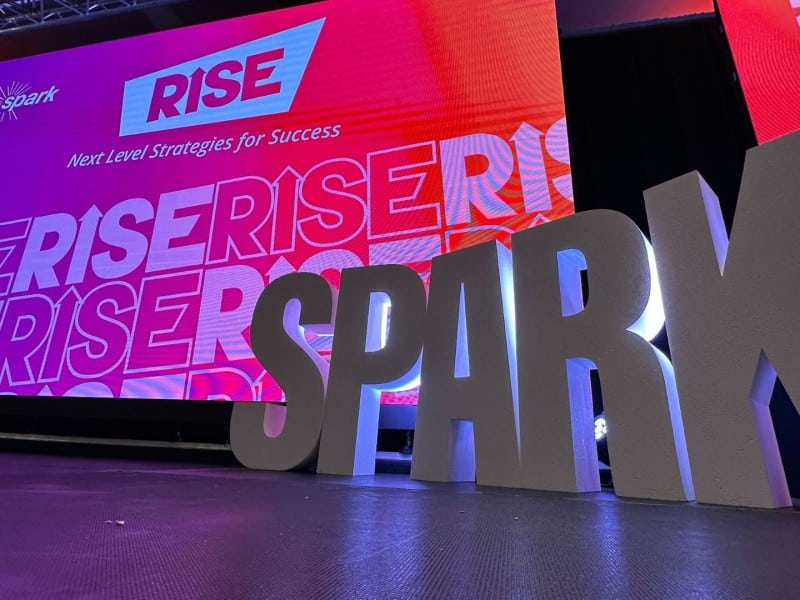
Award-winning Indigenous activist to be keynote speaker at Spark conference
Ashley Callingbull is an actress, model and First Nations activist who will make a keynote appearance at the Spark Women’s Leadership Conference in Fort St. John in 2026.
Fort St. John Métis Society looks to gather delegation for national event
The Back to Batoche Métis gathering takes place from July 16th to 19th in 2026, and the Fort St. John Métis Society is looking to send about 20 members.
Long-standing Spirit of the Peace Pow Wow president resigns
Connie Greyeyes has resigned from her position as board president of the Spirit of the Peace Pow Wow.