
COP29 Delegation to Highlight Indigenous Role in Climate Solutions and Decarbonization
Halfway River First Nation (HRFN) Chief Darlene Hunter will be among the official representatives for Canada’s delegation at next week’s United Nations climate change conference, COP29.

FORT ST. JOHN, B.C. — Halfway River First Nation (HRFN) Chief Darlene Hunter will be among the official representatives for Canada’s delegation at next week’s United Nations climate change conference, COP29.
According to a news release on Monday, November 4th, Hunter will be among a group of First Nations presenting on behalf of the First Nations Climate Initiative (FNCI).
FNCI will highlight feasible decarbonization routes and its progress in implementing its Climate Action Plan.
Local News Straight
to Your Phone
Download our app today!
Available on Android and iOS devices
The FNCI is a collaboration of four BC First Nations, including Metkalatka First Nation, Nisga’a Lisisms First Nation, Haisla First Nation, and HRFN.
According to its website, its goal is to foster resilient communities through strategic climate action, alleviate First Nations’ poverty, restore ecosystems in traditional territories, and seek to enable the Indigenous community.
HRFN technical representative David Myers and representatives from the other members of FNCI will join Hunter.
The group’s agenda will include calling on federal and provincial governments to make appropriate adjustments and regulatory frameworks to expedite Indigenous communities’ Nature-Based Solutions (NBS) for climate change.
Latest Stories
They will also tout how First Nations are collaborating on zero-emission and low-carbon energy and resource projects, which help to meet the economic challenges of today and into the future.
NBS projects, such as restoring wetlands and planting trees, encompass tens of thousands of hectares on the lands of HRFN and FNCI partners Nisga’a Nation.
“Nature-based solutions are an essential part of climate change mitigation,” said Hunter. “We must move these projects forward— for the sake of ourselves and future generations.”
Hunter adds that NBS has long-term benefits—including economic ones—and that the government must join the FNCI in reaching carbon credit agreements and implementing policy changes so that immediate starts on these projects happen to “contribute to the prosperity of all.”
An FNCI delegation, which will include Chief Wes Sam of Ts’il Kaz Koh of Burns Lake and advisor to the FNCI Robert Johnson in 2024, has joined the Canadian contingent at the COP for the past three years.
The COP29 summit will begin on Monday, November 11th, in Baku, Azerbaijan.
Stay connected with local news
Make us your
home page
Authors

Related Articles

Gas prices spike overnight in Fort St. John as Middle East conflict continues
Gas prices in Fort St. John have soared again and are up 30 cents on March 31st from March 30th, standing at $1.87 per litre.
BCER reworks fees, levies to be paid by major energy and LNG projects
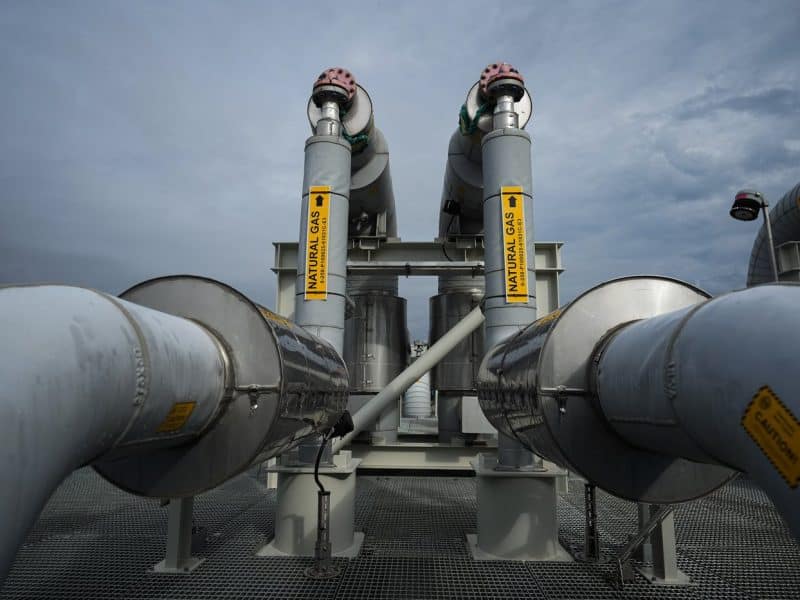
The amount of fees, levies and securities that some major LNG and energy project permit holders must pay to the BC Energy Regulator (BCER) has been changed.
Site C workers’ camp to be repurposed for North Coast Transmission Line
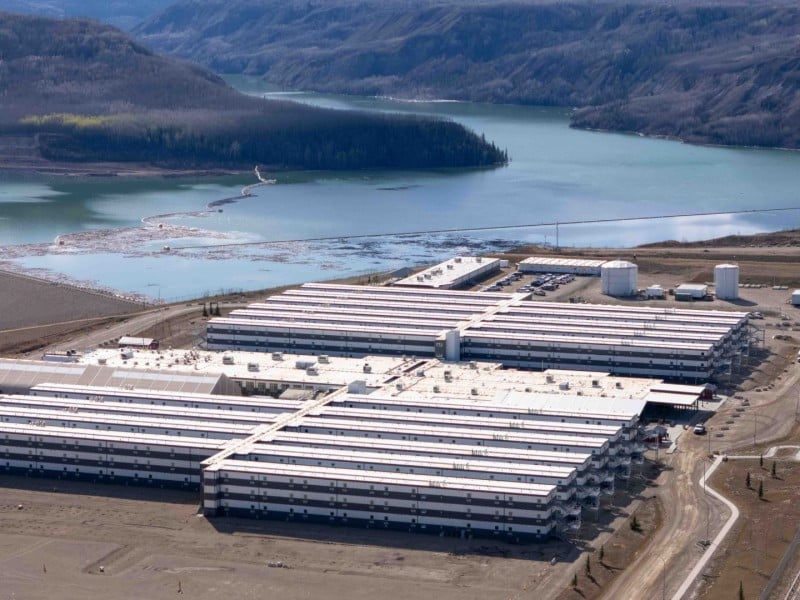
BC Hydro is repurposing its Site C hydroelectric dam workers’ camp for the North Coast Transmission Line (NCTL) project, set to run from Prince George to Terrace.