
Fort Nelson First Nation seeks logo for Tu-Deh-Kah greenhouse pilot project
Fort Nelson First Nation (FNFN) is looking for a new logo to accompany its Tu-Deh-Kah Geothermal greenhouse pilot project.
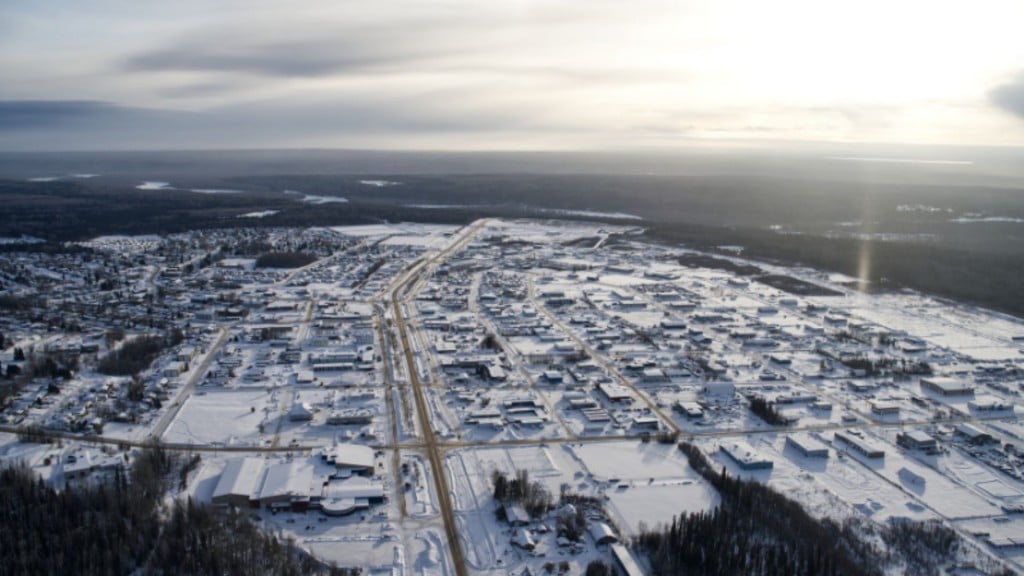
FORT NELSON, B.C. — Fort Nelson First Nation (FNFN) is looking for a new logo to accompany its Tu-Deh-Kah Geothermal greenhouse pilot project.
Tu-Deh-Kah Geothermal is a project aimed at producing 7 to 15 megawatts of clean geothermal electricity in northeast B.C., fully owned by FNFN through its economic development company, Deh Tai Limited Partnership (LP).
Previously named Clark Lake Geothermal, the name changed in 2020 to better represent its Indigenous roots.
Its website says construction began earlier this year, intending to be operational in 2026.
Announced on June 28th via a Facebook post, FNFN seeks submissions for its initial greenhouse, named “Neh sté nea’yeh’ee,” meaning “grown from the earth” in the Dene language.
The post concludes the greenhouse will be what the First Nation hopes “is the first aimed at kickstarting food sovereignty within our community.”
According to Tu-Deh-Kah media representative Andrea Warren, the greenhouse project is especially important to the community, especially after a 2022 tanker incident on the Sikanni Bridge.
Latest Stories
“The accident led to significant grocery delays,” said Warren. “It highlighted the urgent need for self-reliance in food security.”
“Being in such a remote community, we realized that a community greenhouse would be an excellent first step towards greater food security.”
The greenhouse was funded by the Indigenous Food Security and Sovereignty grant (IFS), a program from the independent non-profit New Relationship Trust to enhance food security Tu-Deh-Kah received in 2023.
The idea for the contest was inspired by a similar contest the company ran in 2020 for the geothermal project, which was won by Kerissa Dickie.
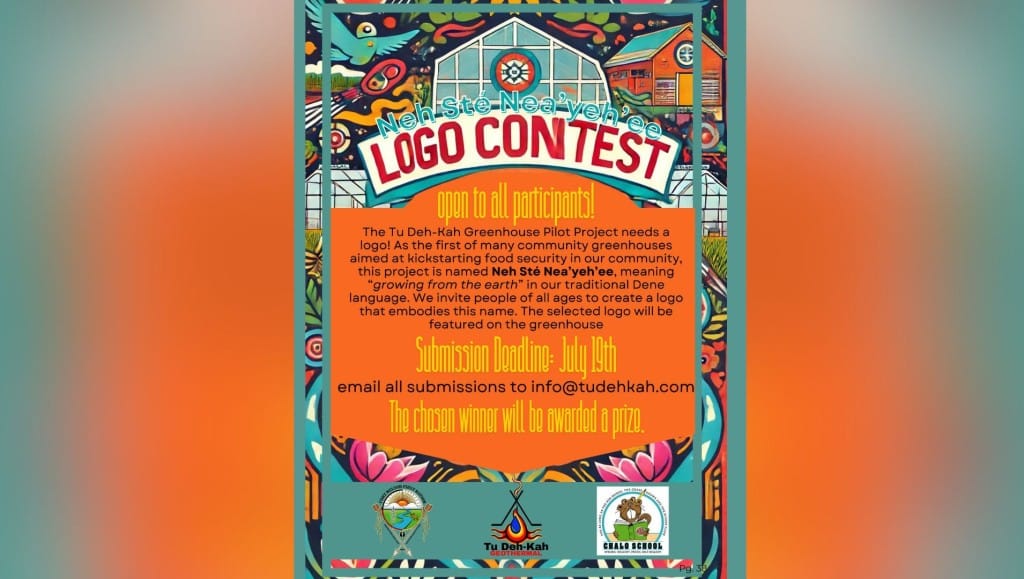
“Karissa spoke to Elders and they helped develop a name for the Tu-Deh-Kah, which means ‘water’ and ‘steam’ in the Dane Language,” said Warren. “When we decided to work on a greenhouse project, we wanted a logo design as well.”
The greenhouse, which will open on Wednesday, will be located on the grounds of the Charlo school within FNFN, and will grow vegetables and traditional medicinal plants.
All members of the public are welcome to submit their entries by June 19th at 4:30 p.m. to info@tudehkah.com, with the winning entry to represent the greenhouse in official capacities, including on the front of the greenhouse.
Visit Tu-De-Kah Geothermal’s website for updates on the geothermal project.
Stay connected with local news
Make us your
home page
Authors

Related Articles
Laundry, dishwashing, shorter showers: Fort St. John people asked to delay non-essential water use after leak discovery
Repairs to the feeder water main are set to begin on Thursday, February 5th and are expected to be completed within 48 hours.
Number of hours of northeast ER closures declines year-on-year in January, with Chetwynd ER shut twice
Northern Health reported two emergency room closures in northeast B.C. during January 2026, down from five in the same month in 2025.

First Nations clinic steps up as sponsor for masquerade ball
The Chetwynd and District Hospital Foundation’s sponsors for the 2026 Masquerade Ball include the South Peace First Nations Primary Care Clinic, Tourmaline Oil and Canadian Natural Resources Limited.