
Rainfall in Fort Nelson assists Parker Lake wildfire suppression efforts
Northern Rockies Regional Municipality Mayor Rob Fraser says some rain fell on and around Fort Nelson on Wednesday, helping firefighters battle the Parker Lake wildfire.
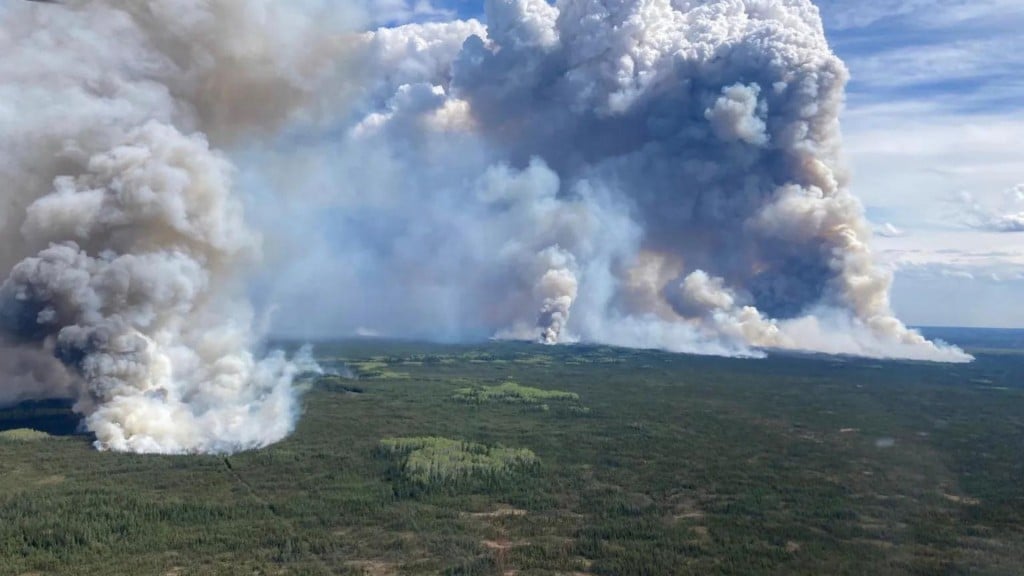
FORT NELSON, B.C. — Northern Rockies Regional Municipality (NRRM) Mayor Rob Fraser says some rain fell on and around Fort Nelson on Wednesday, helping firefighters battle the Parker Lake wildfire.
“We got 9.8 millimetres of rain last night, and it’s helped the situation a lot,” Fraser says. “The fire is being held in place and is somewhat suppressed right now, I’m told by [the BC Wildfire Service].”
“It was not much more than what you’d expect from a garden hose and a sprinkler, 9.8 for a few hours, so it will help with the fire, but it will not extinguish the fire.”
According to Environment Canada, more showers along with wet flurries are in the forecast for Fort NelsonThursday, including up to 10 millimetres of rain in southern areas.
Sarah Hall, an information officer with the BC Wildfire Service, says the reported size of the fire is larger than before but that the difference is mostly down to “more accurate mapping” of the blaze.
“We had field staff that were able to fly the perimeter of the fire and accurately measure that perimeter [Wednesday].”
According to the BCWS website, the fire currently sits at 12,741 hectares in size.
Latest Stories
When asked about the weather, Hall echoed Fraser’s sentiments.
“There is not enough precipitation that occurred [Wednesday], or is forecasted to occur, to offset the prolonged drought that we’ve been experiencing in this region since the fall of 2022 or to cause the fire to self-extinguish.”
That doesn’t mean it won’t significantly assist firefighters, according to Fraser, who says the BCWS now has an opportunity to “go on the offensive” in their battle against the blaze.
“The hot spots are really showing now because everything has cooled down, so they can really get on those hot spots with the air access that they have,” Fraser says.
However, Sarah says it might not be that simple, based on changes in the winds.
“We’re expecting our winds to shift northeasterly, and this will cause smoke to shift back over our operational area and could challenge visibility for aircraft,” Hall says.
Fort Nelson and much of the surrounding area have been evacuated since the weekend, either due to the Parker Lake wildfire or the Patry Creek blaze, which now sits at 71,818 hectares in size, about 25 kilometres north of Fort Nelson.
Fraser says the Parker Lake fire is the top priority at the moment, but the Patry Creek blaze is still a concern.
“It got some rain as well, so it is somewhat subdued, but as we’re dealing with the Parker Lake fire, we’re always looking over our left shoulder at that Patry fire up behind us,” Fraser said.
Some residents driving in the area have posted photos and videos of damaged properties outside of Fort Nelson proper, along the Old Alaska Highway.
At a resident meeting for evacuees Wednesday afternoon, Fraser condemned residents’ sharing that material, calling it “unconscionable.”
Because of the wildfire, Highway 77 is completely closed. Highway 97 closed north of Fort Nelson last week, and as of right now, it is closed between Testa River Regional Park and Sikanni Chief, according to DriveBC.
According to Hall, BCWS has assigned 88 firefighters, 19 helicopters, nearly 60 structure protection workers, and nearly 30 pieces of heavy or specialized equipment to the Fort Nelson area.
Fraser is urging residents to continue staying far away from Fort Nelson, saying the rainfall does not mean it’s safe to return and that extra traffic would disrupt firefighting efforts.
Stay connected with local news
Make us your
home page
Authors

Related Articles
OpenAI contacted RCMP about Tumbler Ridge shooter’s ChatGPT account after attack
ChatGPT employees considered alerting authorities about the account connected to the Tumbler Ridge shooter.
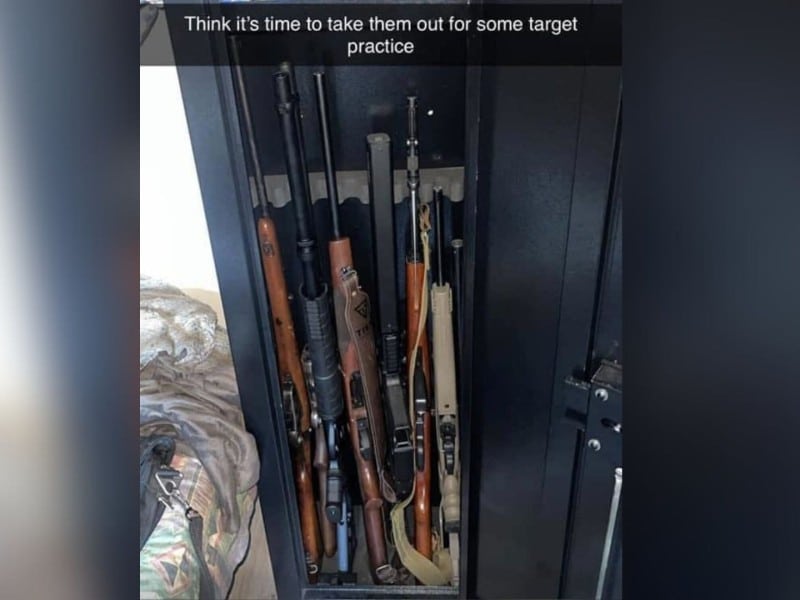
Guns in photo posted by Tumbler Ridge shooter’s mother were legal, expert says
A former RCMP weapons officer, Frank Grosspietsch, says guns in a photo posted by the Tumbler Ridge shooter’s mother all appear to have been legal to own in Canada.