
CORRECTION: RCMP provides update on efforts to combat rural crime in Fort St. John area
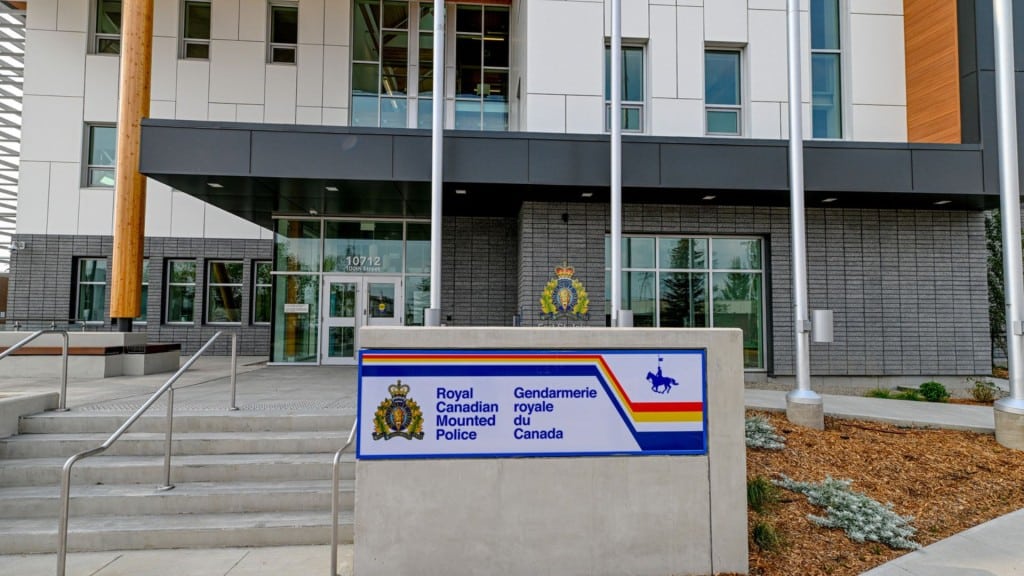
The Fort St John RCMP detachment gave an update on policing activities at the Peace River Regional District’s (PRRD) Committee of the Whole meeting on April 18th.
CORRECTION: Energeticcity.ca previously reported that the local RCMP had seen an increase in crime due to drug decriminalization, which was false. The Fort St. John RCMP said they have seen an increase in toxic overdoses since decriminalization. We apologize for any inconvenience this misinformation has caused.
FORT ST. JOHN, B.C. — The Fort St John RCMP detachment gave an update on policing activities at the Peace River Regional District’s (PRRD) Committee of the Whole meeting on April 18th.
Staff Sergeant Scott Watson, the acting officer in charge of the city’s RCMP detachment, provided an overview of how police respond to crime in the area, the departments’ intelligence networks, and proposed task forces to pursue criminals.
When first hired, Watson said he was asked to join the Security Professional Intelligence Network (SPIN). Watson describes SPIN as a sharing intelligence network that showed issues regarding rural crime and site thefts around the city.
The department was initially response-based but has been looking to become more proactive in preventing criminal activity.
The department has been blending the intelligence resources with their out-of-uniform units due to property crime being seen throughout the Peace region.
“They’re travelling criminals, some of it related to copper theft, which is usually traded either here in Dawson Creek or even Grand Prairie,” said Watson.
Latest Stories
Watson explained that a “regional crime reduction unit” has been proposed, comprising seven members. The members include a supervisor, three members officers from Dawson Creek, and the other three from Fort St. John.
According to Watson, the proposal is currently with district officers before being reviewed by the criminal operations office in the divisional headquarters. After that, it will be presented to the province.
“That would be a game changer, quite frankly, because then we would have a dedicated unit that is focusing on rural crime reduction.”
The department used to have a dedicated crime reduction unit related to the drug trade, but the province’s decriminalization of drugs has led to the unit’s focus being changed or blended with other units.
“Now they’re kind of what I would call the Special Enforcement Team, and they’re targeting criminals, like prolific offenders and problem residences, primarily within the municipality, but they also assist with stuff outside of the municipality.”
Watson said he did not expect the province’s decriminalization of drugs to have an impact on drug overdoses but has since seen a considerable increase.
“This has done nothing to prevent toxic overdoses or toxic drug interactions. So I guess they would say, in fact, they’ve increased.”
The Government of British Columbia temporarily decriminalized the personal possession of certain illegal drugs in 2023 under the Controlled Drugs and Substances Act, claiming it would reduce the barriers that prevent people from accessing life-saving supports and services. The act will be effective until January 31st, 2026.
The sergeant said the province’s regional crime is a multi-faceted issue, which includes drug use, mental health, and an increase in homelessness.
The city’s department currently has 54 officers, 12 of which are provincially funded positions.
Watson also mentioned that the area is very police friendly.
“This is my 26th year of service. And this is probably one of the most pro-police areas of the province I’ve ever seen.”
Stay connected with local news
Make us your
home page
Authors

Related Articles

LNG Canada gas flaring far exceeding volumes allowed under permits: documents
LNG Canada’s gas flaring at its British Columbia plant has far exceeded permitted volumes during early operations, documents reveal.

Man sentenced for manslaughter after killing wife while ‘profoundly intoxicated’
Brent Angus McCook, 28, has been sentenced after shooting his wife at Kwadacha First Nation.

FIFA World Cup 2026 celebration to stop in Fort St. John
‘Canada Celebrates FIFA World Cup 2026’ will be making stops in Fort St. John on June 11th and 12th.