
Increased safety to be implemented for people in supportive housing
The Ministry of Housing has made changes to the Residential Tenancy Regulation (RTR) to increase safety for those living in supportive housing.
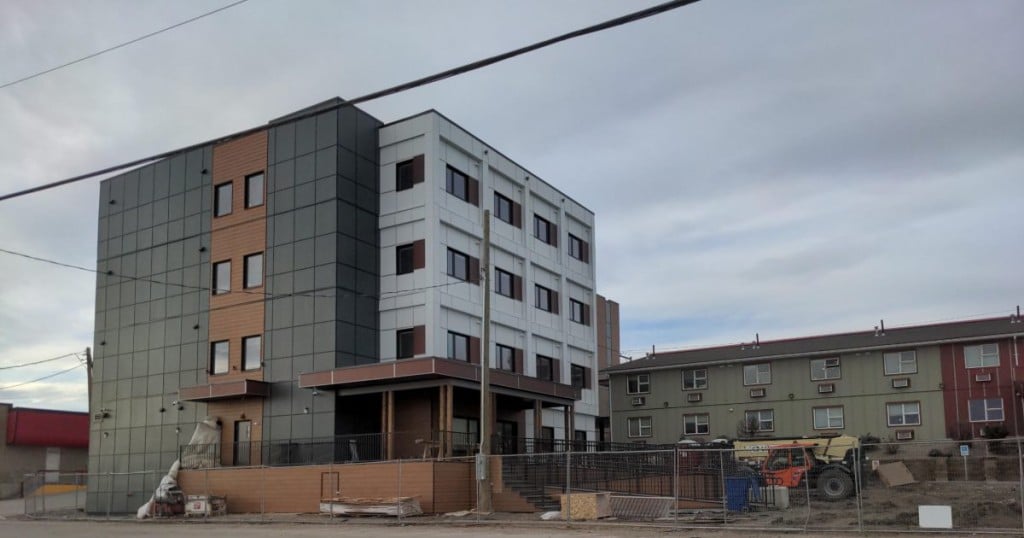
FORT ST. JOHN, B.C. — The Ministry of Housing has made changes to the Residential Tenancy Regulation (RTR) to increase safety for those living in supportive housing.
The province is changing the RTR to define supportive housing and exempt it from sections that prohibit guest policies and wellness checks.
These changes will apply to the supportive housing in Fort St. John, which was funded by BC Housing and is operated by Salvation Army employees.
According to the ministry, guest policies will allow operators to manage who can enter the building. Wellness checks will permit staff to enter a tenant’s room when needed to ensure their health and safety.
“Had wellness checks been completed, my son Lindsey might not have died or been left for days undiscovered in his room,” said Christine Harris, an advocate for wellness checks whose son died of sepsis while living in supportive housing.
“I strongly support this policy as a standard of care so our most vulnerable will not needlessly suffer or will at least have dignity in their deaths.”
Many supportive housing providers rely on wellness checks and guest policies to ensure the safety of staff and tenants, but according to the ministry, these practices aren’t currently allowed under the Residential Tenancy Act (RTA).
Latest Stories
To aid supportive housing operators, the government is collaborating with BC Housing to establish operational standards for conducting wellness checks in good faith and implementing reasonable guest policies.
Operators of supportive housing will disseminate these changes to their tenants. If tenants have any concerns, they can utilize the complaint resolution process, a protocol mandated for all supportive housing providers.
These changes will come into effect on February 28th.
According to the ministry, the RTA establishes the rights and responsibilities of landlords and tenants in B.C. and governs supportive housing.
Tenants living in supportive housing can continue to access the Residential Tenancy Branch dispute resolution process for issues related to sections of the RTA that continue to apply to supportive housing.
The provincial government committed as much as $1.5 billion to the Belonging in BC homelessness plan in Budget 2023, aiming to prevent and reduce homelessness in the province.
The ministry says this plan will add 3,900 new supportive housing units and 240 complex care spaces provincewide.
In addition to these changes, the provincial government has made RTB improvements, including reduced wait times for dispute resolution and service by phone, response to emails within one business day, and service offered in more than 200 languages.
More information about B.C.’s current Residential Tenancy Regulation in the RTA can be found here.
Stay connected with local news
Make us your
home page
Authors

Related Articles
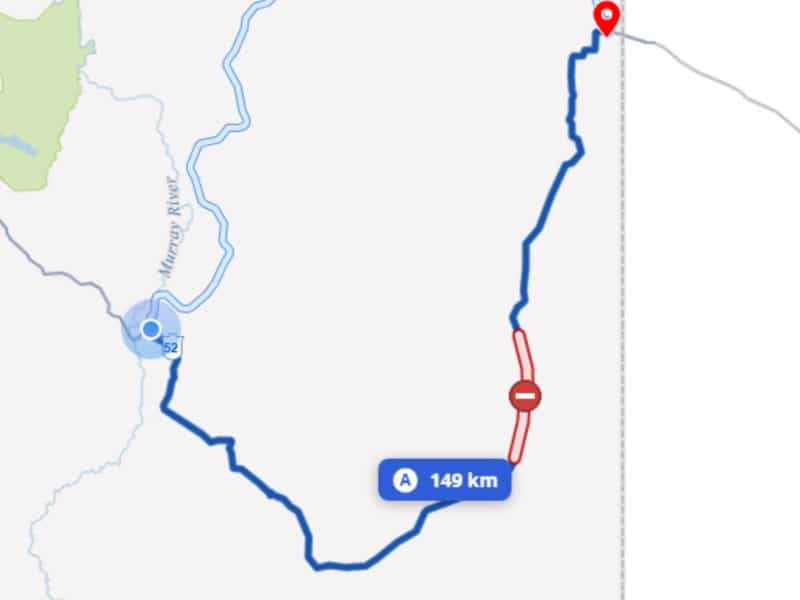
Road closure due to wildfire near Tumbler Ridge
Highway 52 is closed between Kelly Lake Road and Stone Creek Road for 17 kilometres due to a 50-hectare wildfire.

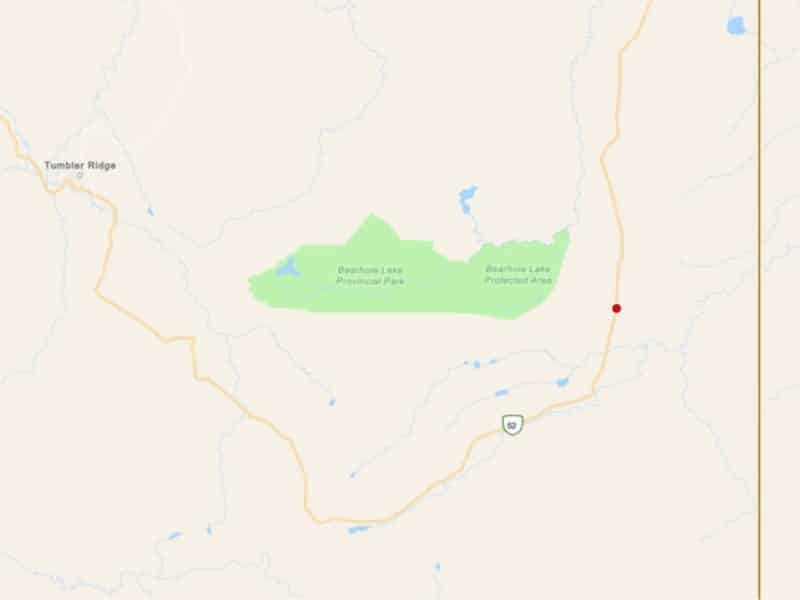
Wildfire reported near Bearhole Lake Provincial Park
A wildfire has been reported near Bearhole Lake Provincial Park, adjacent to Highway 52.