
Local residents, Chamber of Commerce working to support Peace farmers impacted by wildfires
In the letter, the Chamber said that many ranchers and farmers in the North Peace are “in grave danger” of not being able to properly care for their livestock for the rest of the year and into the winter feeding cycle.
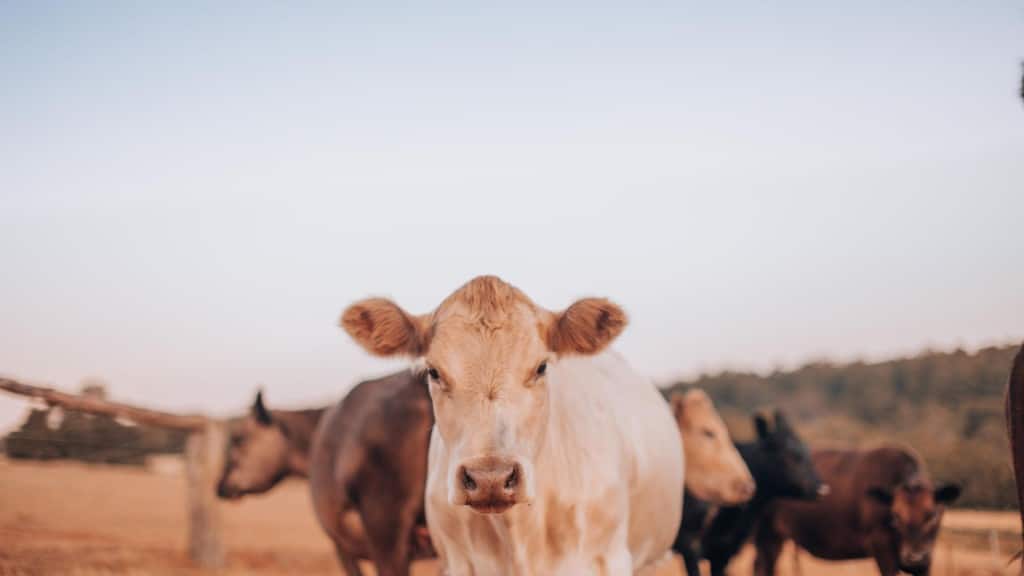
FORT ST. JOHN, B.C. — Residents of the Peace region, along with the Fort St. John Chamber of Commerce, are hard at work to get local farmers impacted by recent wildfires the support and funding they need.
The Chamber wrote a letter to the Ministry of Agriculture on Wednesday, imploring the province to provide funding and support for local farmers impacted by recent wildfires.
In the letter, the chamber said many ranchers and farmers in the North Peace are “in grave danger” of not being able to properly care for their livestock for the rest of the year and into the winter feeding cycle.
Chamber CEO Kathleen Connolly told Energeticcity that ranchers, grain producers, and anyone who makes their living has been significantly impacted by the wildfires that blazed through thousands of hectares in the Peace, destroying fences, corrals, and other farming infrastructure
Some local businesses and residents have stepped up to help affected farmers in the region rebuild fences and infrastructure, but it is not yet known how many kilometres of fencing need to be replaced, making it difficult to anticipate supply needs.
Connolly said there are two main issues facing ranchers and farmers in the region right now—one being there is nowhere to pasture animals because of the fire damage to fences, corrals, and other farming infrastructure.
“June 1st is essentially when cattle go to range. So they have their babies, we keep them at home in corrals or in pastures at home for about six weeks, and when the calves are big and strong enough, we send them out to pasture for the summer,” Connolly said.
Latest Stories
She said during the summer, while the cattle are grazing in the pasture, those calves gain weight and are typically sold in the fall, which is what pays a farmer’s bills through the winter.
The second issue, according to Connolly, is that because livestock can’t currently go to pasture, they are being put on land designated for hay, which is meant to grow throughout the summer months and is what feeds the animals over the winter.
Due to drought conditions experienced in the region last year, many ranchers didn’t put up enough hay as they have in the past, meaning they don’t have extra feed for their animals because they budgeted for livestock to go to pasture on June 1st, according to the Chamber.
“We cannot be putting them on hay land, or they’ll have no hay for the winter. So the risk to those animals is really starvation, and that risk is very high for that livestock right now,” Connolly stated.
To address these issues, the chamber said that removing burnt fences and promptly building new fences is crucial so that farmers can return their livestock to grazing lands and avoid a hay shortage, adding that time is of the essence as the Peace has a short-growing and fencing season.
“We need this infrastructure rebuilt immediately. The pressure is on the government to step in and provide programs for those folks so that they can protect their livestock,” Connolly said.
According to Connolly, both the ministry and the BC Cattleman’s Association are currently completing surveys to determine the extent of damage done by the wildfires. The PRRD is also encouraging farmers to report any damage to their fences caused by recent wildfires.
She said that once that information has been gathered, the chamber can reach out to those businesses and get supplies ordered.
Ranchers and landowners say that more needs to be done by the province and have asked the government to provide several resources immediately, including a quick application process so they can access current funding programs for fencing and highway fencing.
They are also requesting a robust count of all livestock as well as cattle that are at risk due to lack of fencing and limited access to food and water and an inventory of fences and infrastructure that needs to be replaced.
Other resources called for by farmers are:
- A fund that should be created as soon as possible so that ranchers and landowners can access capital as quickly and efficiently as possible so that fences can be rebuilt or repaired and animals can get to pasture.
- An inventory of pasture and water sources that will not be accessible this year must be repaired and operational before the next pasture season.
- A robust communication system between the government, First Nations, and ranchers so that work can be done responsibly on the crown land range.
In its letter to the ministry, the chamber asked B.C. Minister of Agriculture Pam Alexis to reach out to Peace River North MLA Dan Davies, the BC Cattleman’s Association, and the North Peace Cattleman’s Association to expedite the rollout of these programs.
However, Thomas Stahl, owner of Stoddart Creek Water Services, said farmers need support immediately and has been working with other local businesses and non-profits to get resources and funding lined up to promptly assist impacted farmers.
“We’ve had to design a short-term engine that will drive this thing to get to a result, to get cattle back into grazing, which is raising donations from local oil and gas producers and from local businesses and from anybody else that wants to donate towards it,” Stahl said.
Stahl has also connected with Susan Adams from the North Peace Community Foundation (NPCF) and the BC Cattlemen’s Association in order to manage donations, get that money to those in need, and issue charitable receipts to residents and businesses who choose to donate.
Adams told Energeticcity that NPCF is excited to be working with Stahl and other residents to pull together donors and work with the agency that’s best suited to get help to those that need it.
“Work is in progress. We’re working on it every single minute right now until it gets done,” Adams said.
She said work will continue to set the fund up over the weekend, but those who wish to contribute can contact the North Peace Community Foundation to facilitate a donation at 778-576-1669.
Read the Chamber’s full letter can do so below.
Stay connected with local news
Make us your
home page
Authors

Related Articles
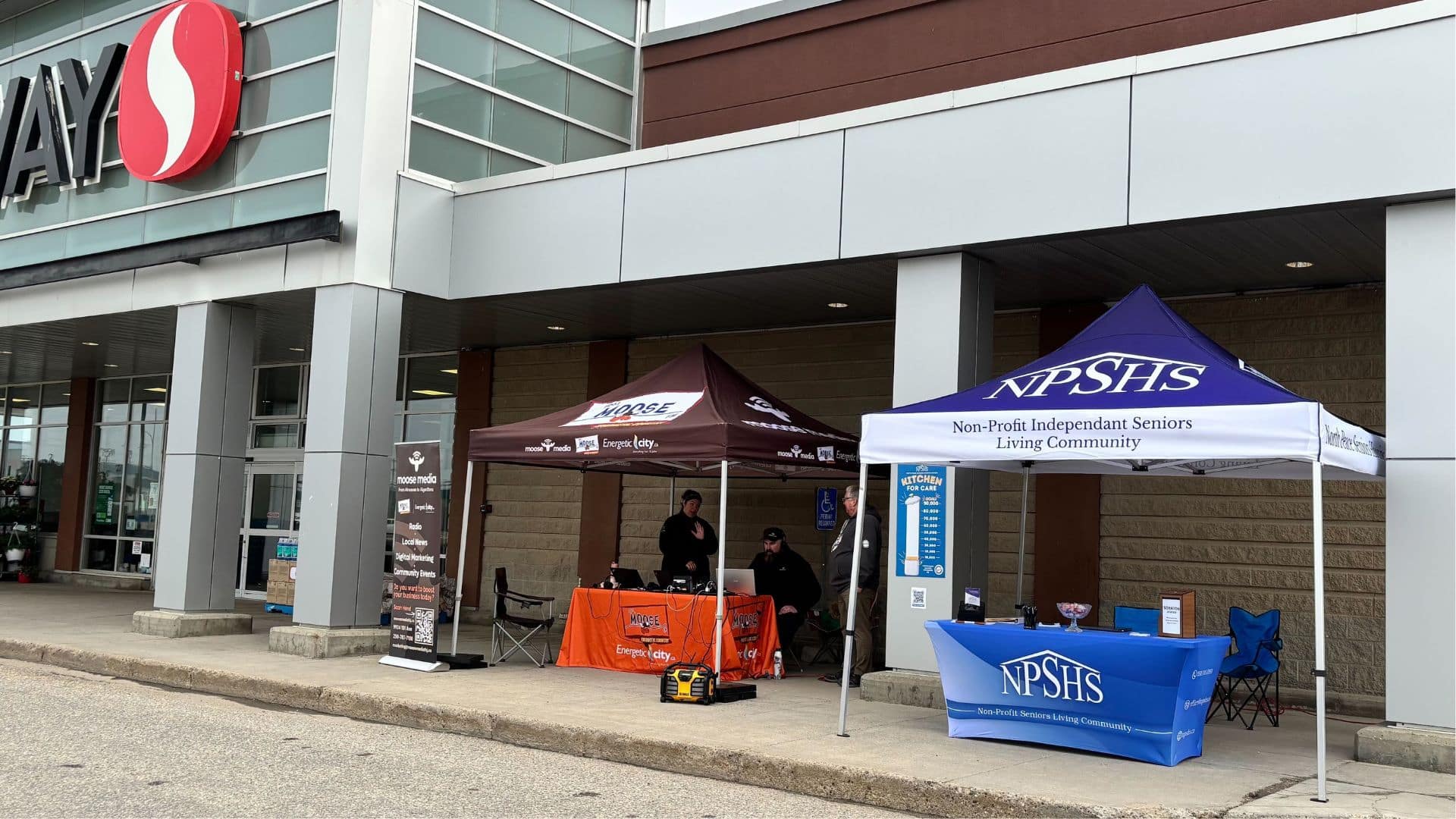
NPSHS Radiothon to raise funds for new roof
100.1 Moose FM’s radiothon will help raise funds for a new roof for the North Peace Seniors Housing Society on June 5th from 6 a.m. to 6 p.m. at Safeway Fort St. John.
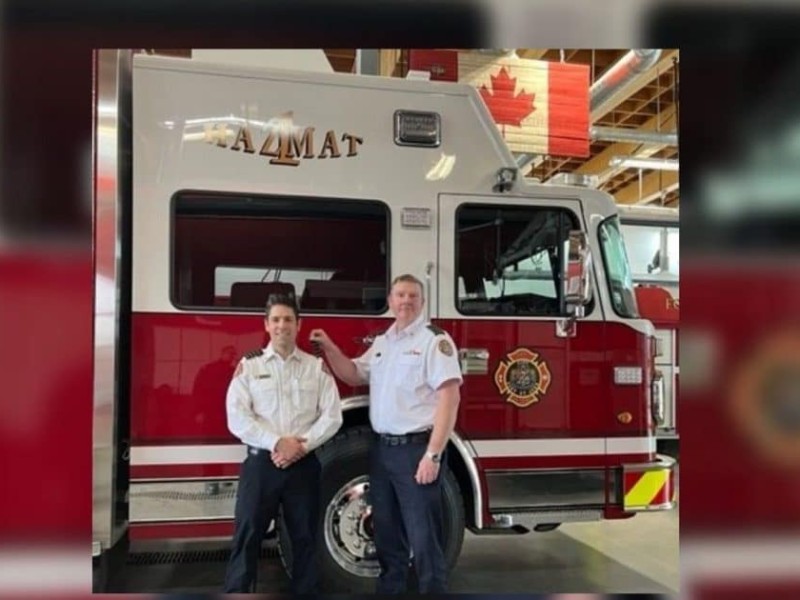
Deputy Fire Chief talks child car seat safety for National Road Safety Week
The Fort St. John Fire Department has members who are BCAA-accredited child seat safety educators
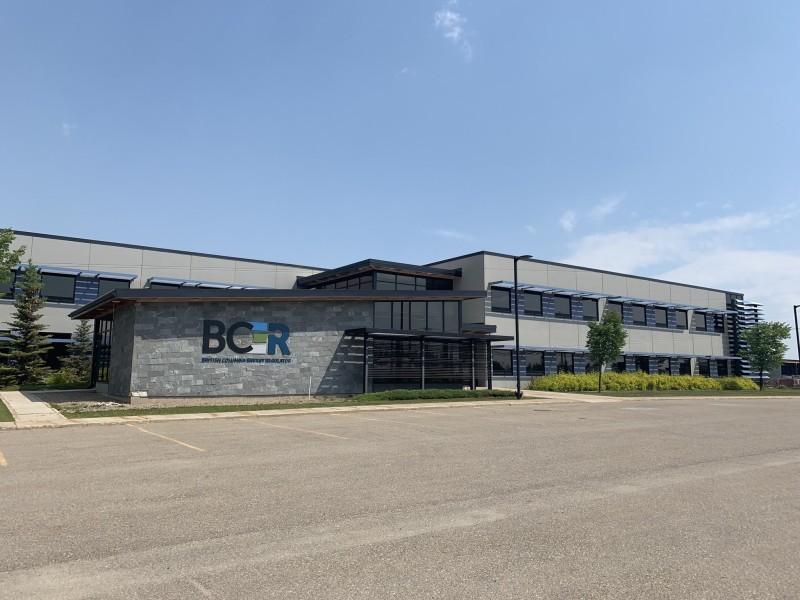
Expansion project delaying shipping and receiving of core from Fort St. John
The core facility in Fort St. John will be unable to ship or receive core due to a warehouse expansion, BCER said.