
Rain in Peace region dampens wildfire activity
Rain in the Peace region has significantly slowed wildfire activity across the North Peace Complex and the Donnie Creek Complex, according to the BC Wildfire Service
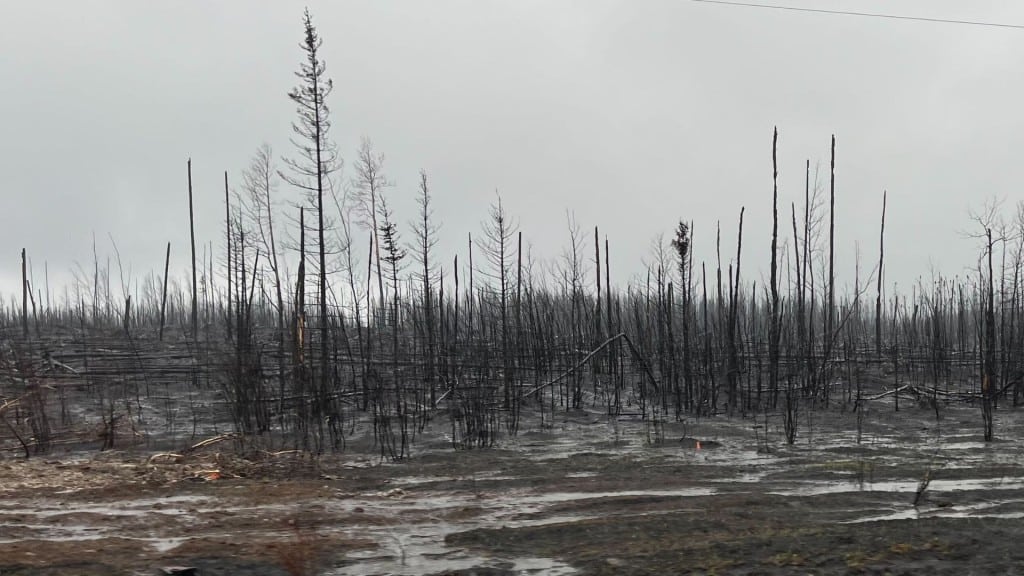
FORT ST. JOHN, B.C. — Rain in the Peace region has significantly slowed wildfire activity across the North Peace Complex and the Donnie Creek Complex, according to the BC Wildfire Service (BCWS.)
BCWS said parts of the Stoddart Creek wildfire, which is a part of the North Peace Complex, saw upwards of 35 millimetres of rain in certain areas, substantially reducing fire behaviour.
However, the rain could not completely extinguish the fire in some areas due to the thick brush.
Local News Straight
to Your Phone
Download our app today!
Available on Android and iOS devices
Units are patrolling and monitoring for hotspots on Tuesday. Crews are also cutting a trail into an area in the northwest corner where there is an access issue.
Due to the wind shift and the rain, BCWS says there has been no growth and limited fire behaviour along the Stoddart Creek fire’s eastern edge. The northwest corner, south of the Blueberry River, continues to be challenging despite some assistance from the rainfall, said the BCWS
The Stoddart Creek is now classified as being held and is approximately 29,327 hectares.
The Red Creek wildfire faces similar reduced fire behaviour and issues with access.
Latest Stories
BCWS says 30 firefighters are patrolling and monitoring for hotspots on the Red Creek wildfire on Tuesday.
In the coming days, the weather is supposed to heat up to above-average temperatures again, so the focus will be to work inwards from the fire’s perimeter.
BCWS doesn’t expect additional growth from the Red Creek wildfire, so it is also classified as being held and is approximately 2,947 hectares.
The Boundary Lake and Cameron River fires are now classified as under control, so no additional growth is expected. Crews working on these fires have been redirected to the Stoddart Creek wildfire on Tuesday and Wednesday.
Once the areas dry out, crews will head back to Boundary Lake and Cameron River areas to conduct aerial scans to identify any remaining hotspots.
The rain that passed through the area on Monday and Tuesday also hit the Donnie Creek Wildfire Complex, which includes the Donnie Creek, Muskwa River and Klua Lakes wildfires.
The rain helped raise the humidity in the area, and crews saw a significant decrease in fire activity, according to the BCWS.
The rain will not extinguish the fire as it is burning in deep fuel areas, according to the BCWS. However, the precipitation has allowed crews to get closer to the fire.
The rain has also made the roads hazardous for travel, so they are relying on aerial resources to monitor road conditions and bring crews to the fire.
BCWS has three unit crews assigned to the Donnie Creek fire, approximately 20 people each. There are also 11 structure protection personnel and pieces of heavy equipment assigned, but they may not work on the fire until the roads are safe.
All three fires in the Donnie Creek Complex are still considered out of control.
The Donnie Creek wildfire is 134,910 hectares, the Klua Lakes wildfire is 26,307 hectares, and the Muska River wildfire is 6,462 hectares.
The fire north of the Kiskatinaw River Bridge and the Donis Road wildfire have been put out.
There are approximately 13 wildfires in the Peace region.
Evacuation orders in the region have been removed, while some alerts remain.
For the latest evacuation order and alert information, visit the Peace River Regional District’s website.
Though the air quality in Fort St. John is currently a low risk, the special air quality statement remains in place due to the smoke expected in the area.
For the latest wildfire information, visit BCWS’ website.
Stay connected with local news
Make us your
home page
Authors

Related Articles
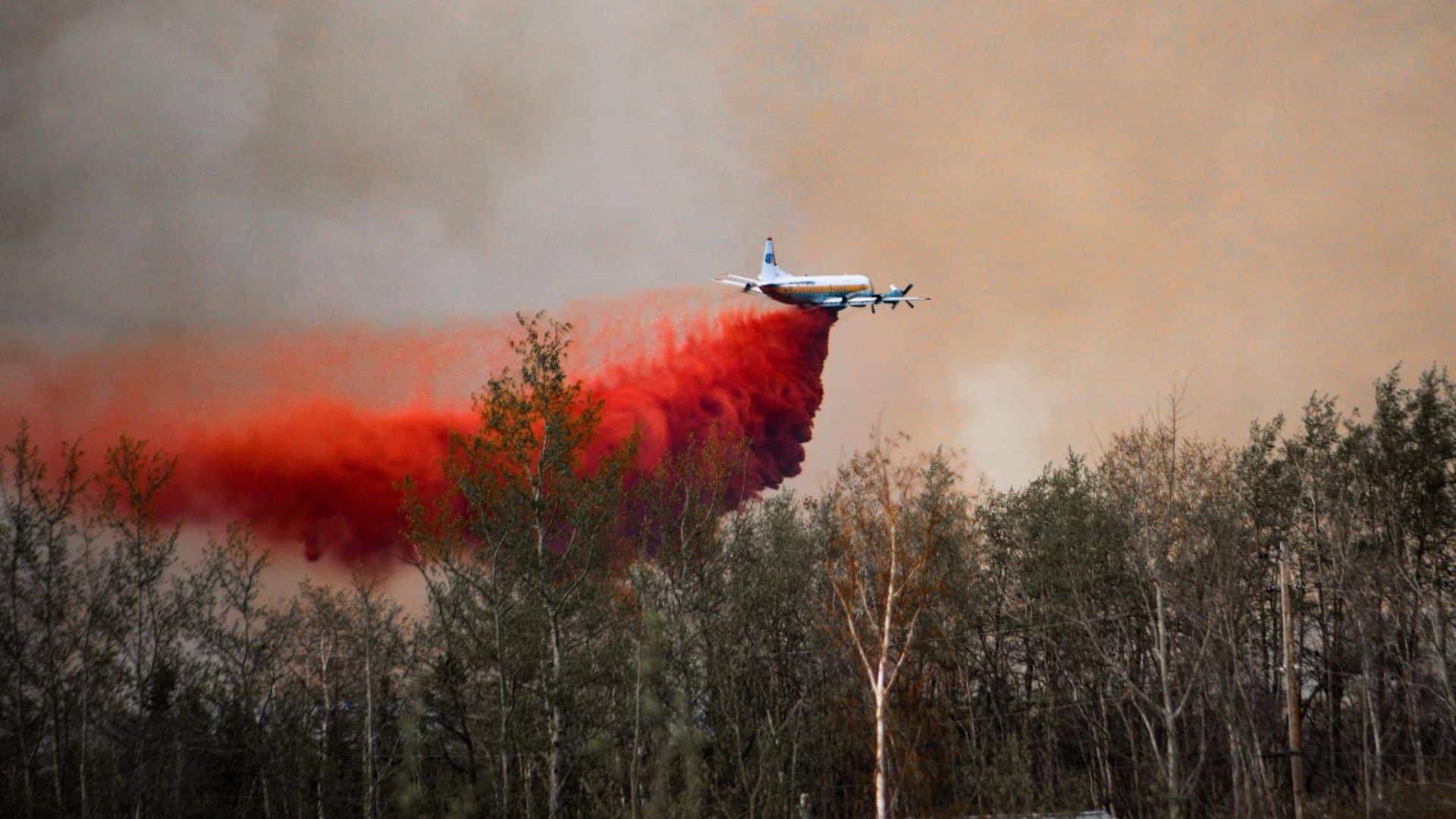
Northeast B.C. communities to be given $86,000 for firefighting equipment
Tumbler Ridge, Pouce Coupe and the Northern Rockies Regional Municipality are the communities in northeast B.C. to receive funding for firefighting equipment from the Ministry of Emergency Management and Climate Readiness.
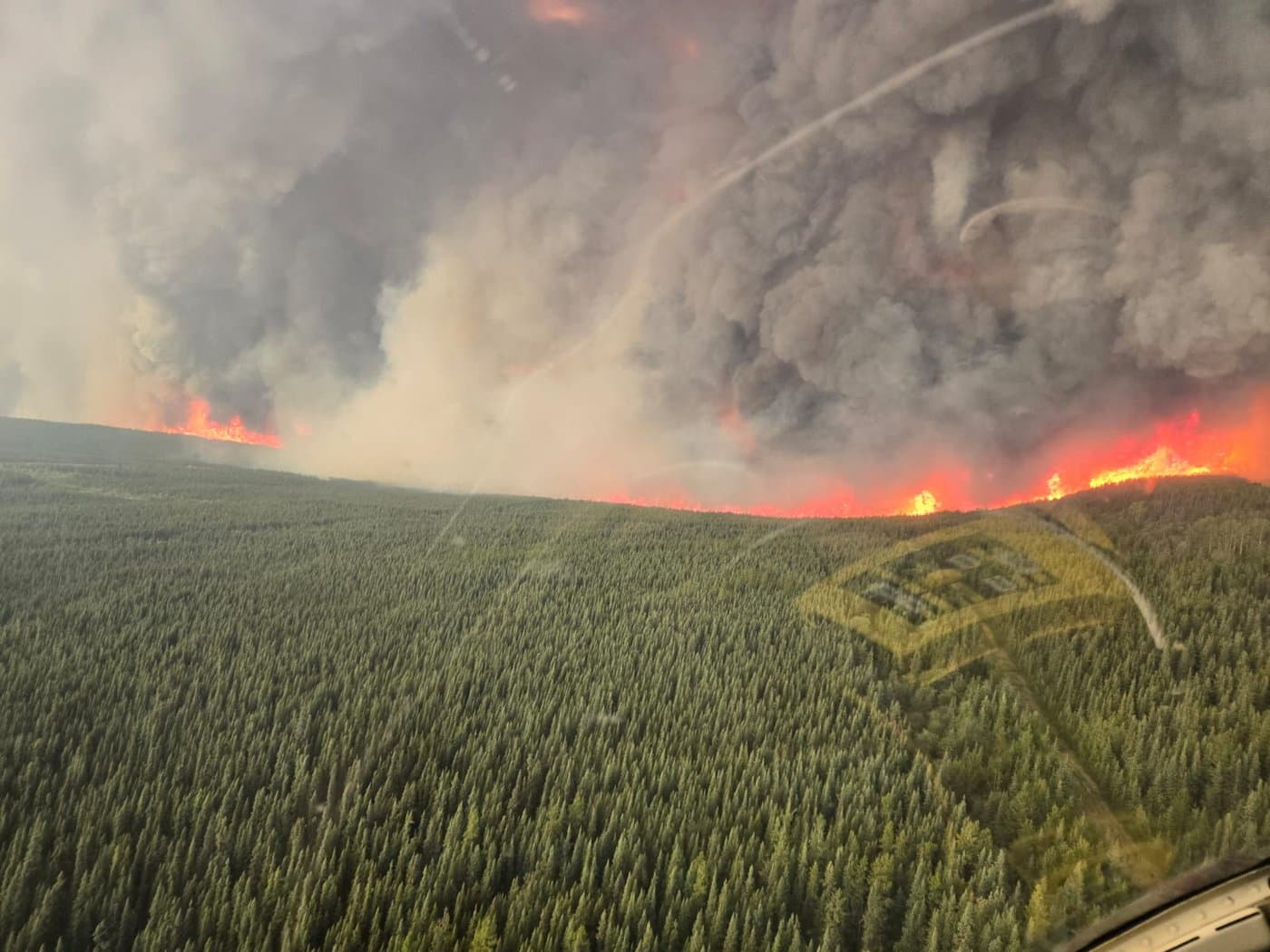
Wildfire training sessions to help northeast B.C. avoid ‘dangerous positions’
North America Fire Rescue is set to host wildfire training sessions in Chetwynd and Fort St. John this spring.
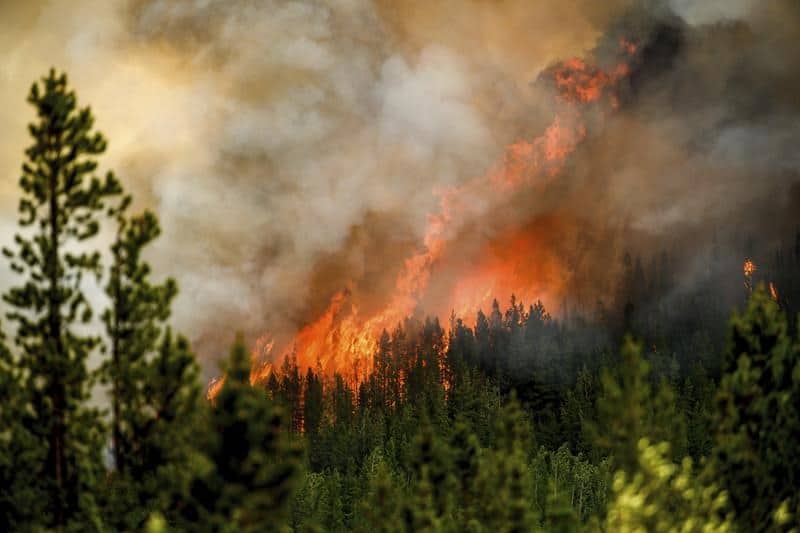
BC Wildfire Service readies for 2026 season with record 2,400 firefighter applications and more equipment in Prince George depot
The BC Wildfire Service has received around 2,400 firefighter applications and improved its equipment depot in Prince George in preparation for the wildfire season 2026, it said in a press release.