
Despite forestry concessions being made, some feel it isn’t enough
The Canadian Forest Sector Task Force released a final report on long-term viability and steps for revitalization in the industry nationwide this week.
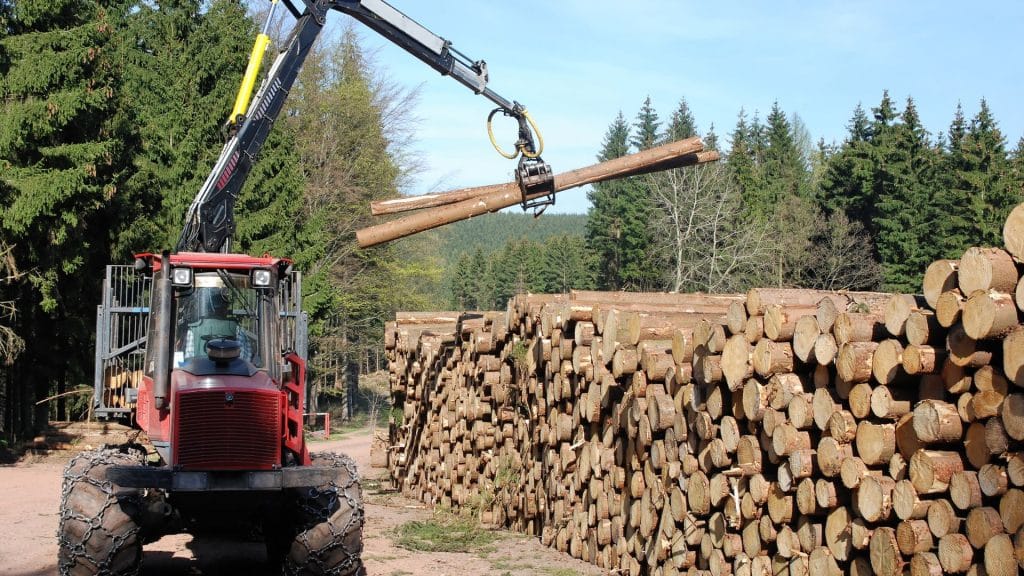
FORT ST. JOHN, B.C. — One forestry expert says a report outlining how the industry can achieve stabilization amid change says the federal government has not gone far enough.
On Wednesday, June 3rd, the federal minister of energy and natural resources, Tim Hodgson, released a final report outlining strategies to turn the country’s forestry fortunes around.
The report was conducted by the Canadian Forest Sector Transformation Task Force (CFSTF), which was implemented in January of this year.
Its aim was to implement a 25-year National Forest Sector Strategy, with the goal of establishing “long-term competitiveness, crowd-in private capital, stabilize employment and communities, and modernize Canada’s forest-based industrial ecosystem to drive transformation,” according to its website.
The report outlines key details such as stabilizing long-term access to cost-competitive fibre, catalyzing transformation and modernization at scale, increasing domestic demand by building more with wood, stabilizing the workforce and supporting communities, defending market access, strengthening trade infrastructure and rebuilding a national forest culture by 2050.
According to a press release, Hodgson also announced enhancements to the Business Development Bank of Canada’s softwood lumber loan guarantee program and new strategies providing direct loans to companies across the forestry sector, including eligible corporations in pulp and paper and harvesting.
The federal government also pledged an additional $400 million to Canada’s Regional Development Agencies, including $300 million under the Regional Tariff Response Initiative, during the Council of Forest Ministers meetings this week in Langford.
Latest Stories
The CFSTF stated in the report that failing to act would “risk” up to $23.5 billion in GDP and 200,000 jobs.
However, despite the announcements, some critics do remain skeptical.
Gary Bull, a professor emeritus at the University of British Columbia (UBC), said there are still questions about the province’s fibre supply. He’s also concerned about what an ambitious “civil cultural plan” or harvesting program will look like.
“A fundamental issue in B.C. is the fibre supply,” said Bull to Energeticcity.ca. “There is [a question] of access to the fibre. [Then] how are you going to grow trees back after fires [and insect disease?”
“I see a little bit of language referring to what each province is going to do differently. From how I read it, [the province] is going to try and have working forests. I suspect there’s lots going on in Victoria, [but] the announcements we saw does not provide any detail on that.”
Working forests are forestlands where lumber is carefully managed, providing a steady, renewable supply of wood.
According to a story from Resource Works, 21 sawmills have shut down since 2023 – including the recent acquisition of a Canfor sawmill in Fort St. John by Rocky Mountain Salvage.
The mill was announced closed in September 2024, with the facility shuttered by the end of that year.
“[The] reality is we’re going to see smaller mills,” said Bull. “They have to be smaller because there’s just not enough volume of wood to put through the mills that were configured in the 90s and 2000s.”
The complete findings of the CFSTF are available in the report on the task force’s website.
Stay connected with local news
Make us your
home page
Authors

Related Articles
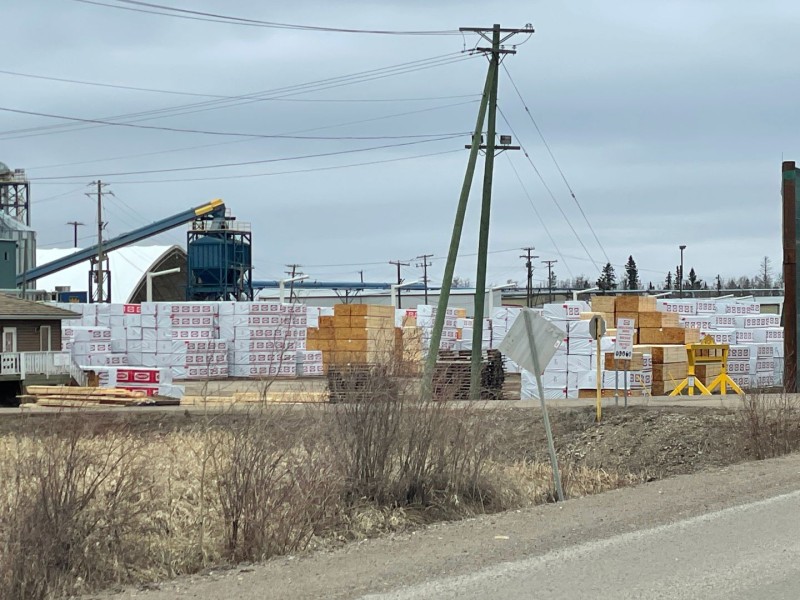
Fort St. John sawmill owned by Canfor officially sold
The Canfor sawmill in Fort St. John has been sold to Alberta-based Rocky Mountain Salvage, after being shuttered in September 2024.
Sale imminent in case of Fort St. John Canfor sawmill
the sawmill at 9312 259 in Fort St. John owned by industry giant Canfor was announced as closing in 2024.
‘The Future of Forests’ community discussion coming to Fort St. John
Residents in Northeast B.C. will have the opportunity to join in on a forest-based discussion in May, hosted by researchers from SFU and UNBC.