
Moose Hide Campaign Day opens up conversations about Indigenous men, their roles in the community
The moose hide campaign began in 2011 looking at ending gender-based violence in the Indigenous community, and now has events across North America
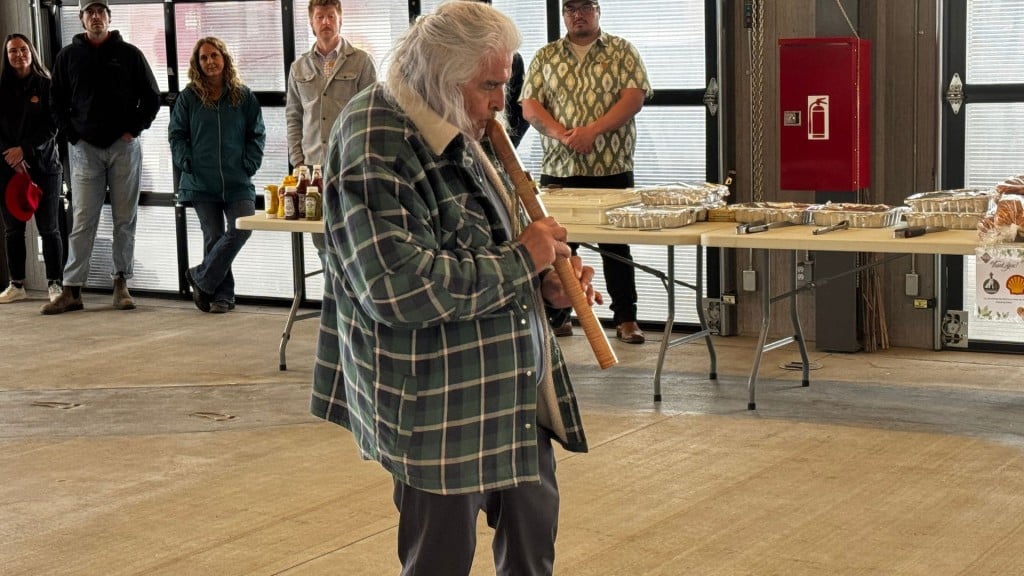
FORT ST. JOHN, B.C. — As he stood speaking to the crowd gathered at Fort St. John’s Festival Plaza, John Lambert spoke candidly about being a young boy in Oliver, B.C. and his introduction to domestic violence.
“I can remember my father chasing my mother down the stairs,” said Lambert, an Indigenous man whose band roots are near Fort St. James. “I still remember her running down the stairs, screaming, running into the street, calling for the police to be called. They were, and Dad was subsequently arrested.”
“The majority of assaults against women today are done by First Nations people, by our own people. Now ask: how did we get here? How did we go from a culture that didn’t even hit our children [being] punished, and much less our wives, to the majority of assaults against our women are perpetrated by us Indigenous men?”
Lambert was one of the speakers at the Moose Hide Campaign Day in Fort St. John, an event organized by Nenan Dane Zaa Deh Zona and the Fort St. John Friendship Centre.
Other speakers included Joe Cletheroe, David Rattray and Connie Greyeyes. The Doig River First Nation Drummers performed, as well as jingle dancers.
The event concluded with a solidarity walk around Centennial Park and a barbecue. Allies, including industry partners and other non-profits, including Foundry Fort St. John and the Fort St. John Women’s Resource Society, were also in attendance.
Lambert later told Energeticcity.ca the importance of the campaign, in which Indigenous men vow to “honour, respect and protect women and children in your life and speak out against gender-based and domestic violence” by way of a pin attached to a square of moose hide.
Latest Stories
“There seems to be a breakdown in terms of older men that have taught younger men how to have cultural identity [and] how to express manhood,” said Lambert. “For me, it was a generational breakdown. I saw my father assault my mother one time. Thank God it was only the one time, but two years later he committed suicide.”
“That created a huge gap for me. I was left to learn as a young Indigenous man from movies, [and] other boys that may have been just as broken as I was. I think we’re reaching an era where there’s a possibility for us to start forming our own mentorship circle for our younger guys… we are on the healing path. It is a great time for us to not just break the cycle that was negative, but rebuild one that’s positive.”
Those words were reiterated by Cletheroe, who said as a father, he wants a better environment for his daughter – and future generations of his family – to grow up in.
“I’ve seen domestic violence firsthand,” said Cletheroe. “As a daughter’s dad, I want to get the word out and spread awareness and try to get our values out there, so our youth, our cousins, our nephews, everyone knows that’s unacceptable.”
Over six in ten Indigenous women experienced ‘intimate partner violence’ (61 per cent) throughout their lifetimes, compared to just 4 in 10 non-Indigenous women, according to Statistics Canada.
A grassroots movement, the Moose Hide Campaign was begun by father-and-daughter Paul and Raven Lacerte in 2011.
The movement’s website posted hundreds of events taking place in 2026 – including an American campaign day in Colorado Springs, Colorado.
The event in Fort St. John was the third year of festivities organized by Nenan Dane Zaa Deh Zona Family Services and the Fort St. John Friendship Society.
Stay connected with local news
Make us your
home page
Authors
Related Articles
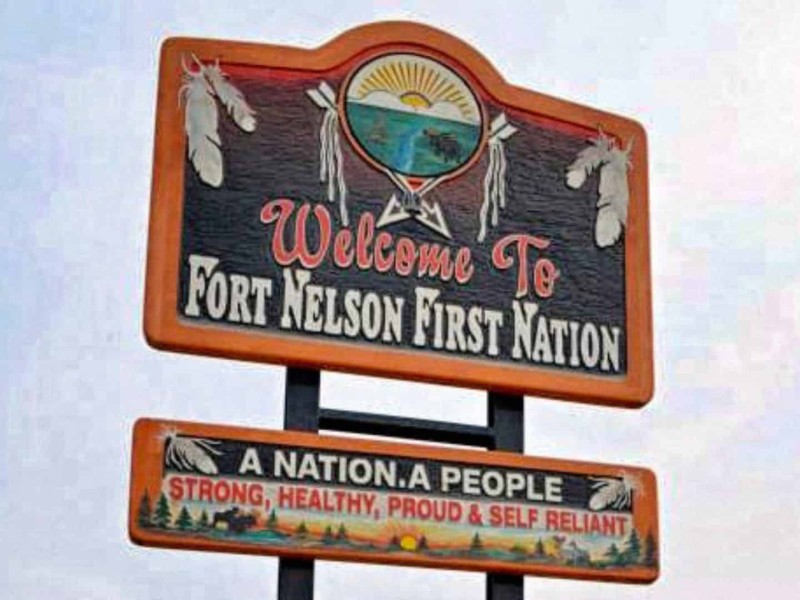
Fort Nelson First Nation seeks to empower community with Career Fair
Fort Nelson First Nation’s Career Fair will be a day-long event with handgames demonstrations, workshops, and prizes.
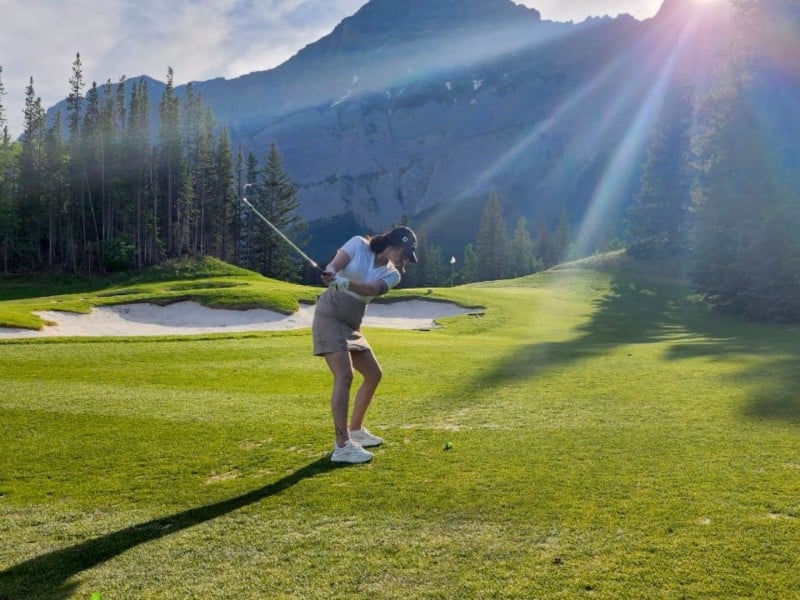
‘It’s a statement:’ Blueberry River First Nations start Sober Golf League
Simone Chipesia started playing golf eight years ago, and said her intentions to bring a Sober Golf League for BRFN members to have support and build a healthy community.
Prophet River First Nation institutes fire restrictions in community
Signed by Prophet River First Nation Chief Valerie Askoty and councillors, it issues several curtailing of outdoor fire activity in the community south of Fort Nelson