
BC Hydro to investigate impacts of Site C on Charlie Lake sewer and water
BC Hydro has agreed with the Peace River Regional District to a three-year investigation on the impacts of its Site C hydroelectric dam and reservoir on water and sewer in Charlie Lake.
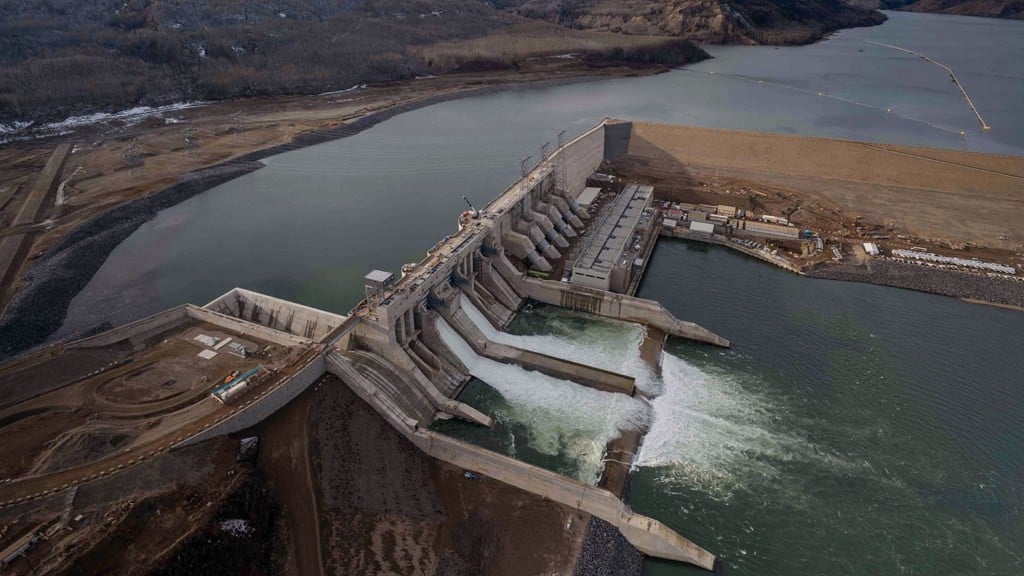
FORT ST. JOHN, B.C. — BC Hydro has agreed to investigate the impacts of the Site C dam on water quality and safety in Charlie Lake.
During the December 5th board meeting, held at the Pomeroy Hotel and Conference Centre in Fort St. John, the Peace River Regional District board of directors voted to enter into a memorandum of understanding with the province’s utility company regarding Charlie Lake’s wastewater treatment system.
A memorandum of understanding is a non-legally binding agreement between two or more parties which details intentions, goals and responsibilities for a possible collaboration.
The memorandum between the PRRD and BC Hydro notes the intention to complete work “relevant to investigation and response to slide damage, water quality monitoring and potential installation of the glycol heater.”
A glycol heater warms and cycles an anti-freeze solution through hoses or pipes in a closed loop to prevent freezing.
According to a report submitted by staff, BC Hydro is required to mitigate effects on the functionality of water and sewer systems caused by the construction and operation of the Site C hydroelectric dam in Fort St. John through its environment assessment certificate issued in October 2014.
The regional district outlined two particular ways the dam may impact the system:
Latest Stories
- By causing a change in the receiving environment from a river to a reservoir;
- By changing the scope and likelihood of geotechnical risks, including landslides, at the location of the outfall. A landslide outfall is the base of the slope where the material from a landslide comes to a stop.
BC Hydro is required to, at its own expense, develop and initiate a three-year water quality monitoring plan for the area.
Additionally, in the event of a slide, the utility and the PRRD will share the costs of an agreed-up third-party engineering consultant to determine the cause of said slide. If the slide is determined to have been caused by the creation or operations of the Site C reservoir, BC Hydro will be responsible for covering the necessary repairs to “ensure substantially equal standards and capacity of the infrastructure.”
Stay connected with local news
Make us your
home page
Authors

Related Articles
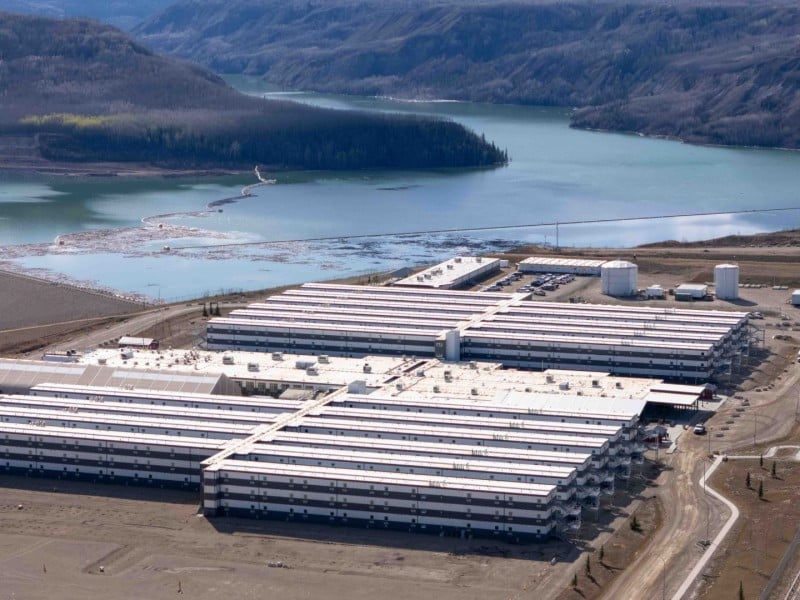
Site C workers’ camp to be repurposed for North Coast Transmission Line
BC Hydro is repurposing its Site C hydroelectric dam workers’ camp for the North Coast Transmission Line (NCTL) project, set to run from Prince George to Terrace.
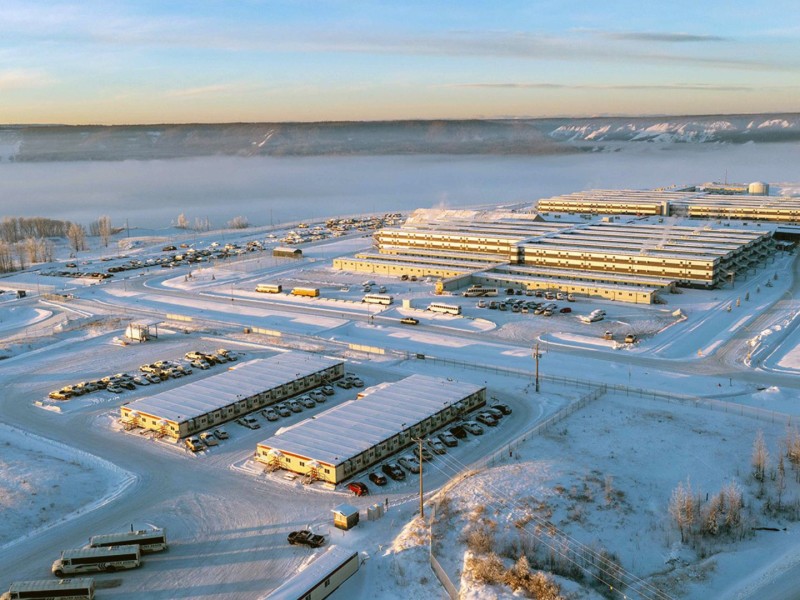
Society reimagines Site C camp conversion after initial idea deemed ‘too complex and costly’
The North Wind Wellness Centre society is looking for support from the Peace River Regional District for its new proposal for converting the BC Hydro Site C workers’ camp.
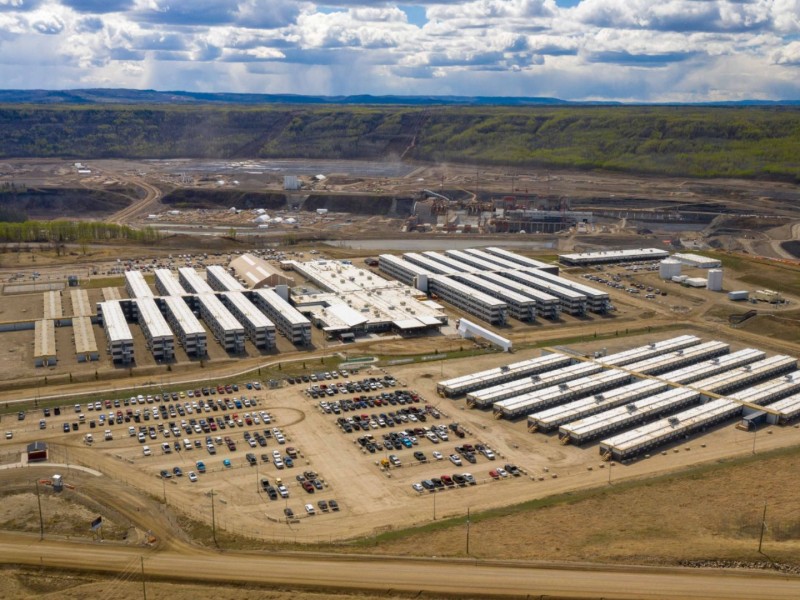
Closure of Site C workers camp fast approaches as future of structures remains uncertain
The workers camp adjacent to BC Hydro’s hydroelectric dam Site C is set to close on March 31st, but the organization is “confident” it will be able to repurpose as many assets as possible.