
(Opinion) Bear Flat Dispatch: What lesson should we learn from Site C?
Regular contributor Ken Boon on what he learned from BC Hydro’s report on the lessons it has learned from the Site C hydroelectric dam project.
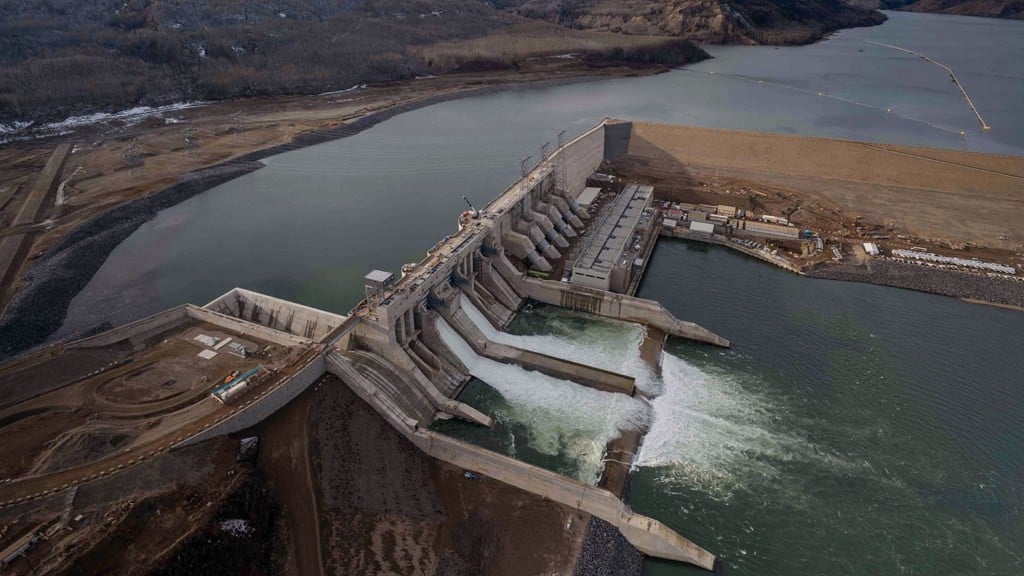
FORT ST. JOHN, B.C. — As requested by the BC Utilities Commission (BCUC), BC Hydro recently compiled and released its Site C Project Lessons Learned Report to Inform Future Major Capital Projects.
At 224 pages, it is a lengthy in-depth examination of what went wrong and right with this now $16 billion and over-budget mega-project with recommendations to itself on how to get the next one right. As someone who has lived and breathed everything Site C for many years now, I felt it was my civic duty to read through the report and give my two bits.
While I have problems with this report, what struck me the most was what I believe should be the number one lesson from Site C: Don’t build any more Site C-type megaprojects. That might sound too simple to be true, so let me explain.
In its report, BC Hydro goes to great lengths to make the case about how complex and challenging this project was, and it is right. Site C was riddled with many problems and cost overruns, many of which had been predicted by others. While I believe BC Hydro was to blame for much of that grief, it is also just the reality of custom-building a large hydroelectric project in a geologically unstable (I say poor) location with modern environmental and social requirements.
In general, that is why the cost of building hydroelectric megaprojects around the world keep going up dramatically. Generally, large projects benefit from economy of scale, which is explained by Wikipedia as: “In microeconomics, economies of scale are the cost advantages that enterprises obtain due to their scale of operation and are typically measured by the amount of output produced per unit of cost.”
At $16 billion for a dam that will only average an output of about 600 MWh, that clearly does not apply to Site C. Strictly on an economic basis (putting aside the substantial environmental problems), I believe building large hydro dams in the 21st century simply makes no sense.
Fortunately, that is not the case for green renewables such as wind and solar, that are now the cheapest forms of energy for the world.
Latest Stories
Yes, we do need some firm back-up power sources, but did B.C. really need more dams to do that? I would say not, and with the current climate change-fueled drought conditions in B.C., the additional hydroelectric capability is further diminished.
Among other solutions, batteries – which are now also cost-competitive – can help take that place. In fact, with ‘battery to grid’ technology now being used elsewhere, the growing cumulative battery storage capacity of connected electric vehicles can be part of that solution if we choose to pursue that.
I do appreciate that BC Hydro went through a big soul-searching exercise on the lessons learned from Site C, and I hope it utilizes the findings towards other major upcoming projects, but the dam-building days in B.C. must be over, no matter how desperate we become for more power. R.I.P. and amen.
Stay connected with local news
Make us your
home page
Letters to the Editor
Letters to the Editor should be exclusive to Energeticcity.ca. Include your name, address and daytime phone number. Keep letters to 500 words or fewer. Letters may be edited for length and clarity. To submit a letter by e-mail to contact@energeticcity.ca.
Related Articles

(Opinion) Bear Flat Dispatch: Caterpillars, Bears and Poplar Trees
Regular contributor Ken Boon writes about the turning of the seasons in Bear Flat.

(Opinion) Bear Flat dispatch: Bear Flat Museum
Regular contributor Ken Boon writes about the Bear Flat Museum, which features a “Site C Sucks Museum” cabin, a sign cabin and old farm equipment.

(Opinion) Bear Flat Dispatch: Spring finally
Regular contributor Ken Boon writes on the return of spring and the ways its late arrival may impact the environment.