
‘Now is the time’ to address long-standing B.C.-Alberta electricity complaints, institute says
Alberta Electric System Operator’s Restructured Energy Market plan has not resolved B.C.’s longstanding complaints about the electrical connection between the two provinces, the B.C. Ministry of Energy and Climate Solutions said.
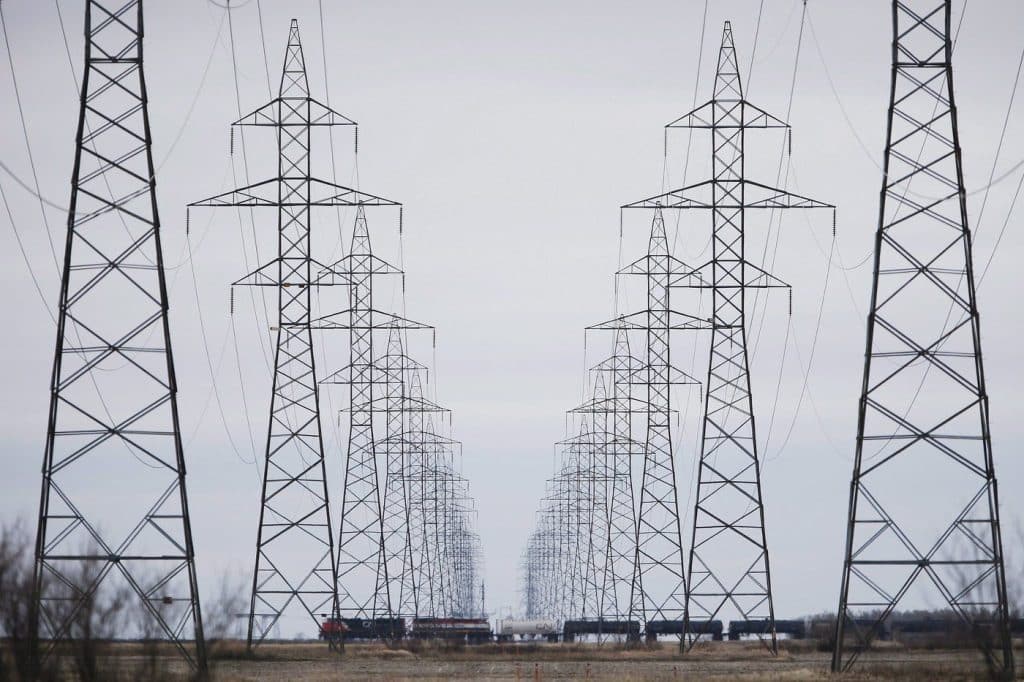
FORT ST. JOHN, B.C. — Alberta’s new electrical market plan fails to spark deeper ties with B.C. or energize Ottawa’s ambitions for a national grid.
The Alberta Electric System Operator (AESO) recently revamped its electricity market to make energy more reliable and affordable.
Its Restructured Energy Market (REM) plan is the updated framework for companies producing and selling electricity in Alberta’s competitive market, which differs from most other provinces, including B.C., where power is a public utility.
The plan did not resolve B.C.’s longstanding complaints about the electrical connection between the two provinces or its ability to compete in Alberta’s market, the B.C. Ministry of Energy and Climate Solutions confirmed.
“Interties are typically managed for reciprocal, mutual benefits; however, there is no mechanism currently in place to ensure the B.C.-Alberta intertie is being utilized most effectively for the benefit of both parties,” a spokesperson for the ministry said in an email to Canada’s National Observer.
The email noted Alberta can rely on 90 per cent of the intertie capacity on BC Hydro’s system to move electricity west.
Yet, over the past two decades, Alberta’s grid limitations prevent electricity flowing eastward by 30 to 60 per cent of the intertie’s expected capacity, the ministry noted.
Latest Stories
Restrictions on the sale of electricity through the intertie could also increase B.C.’s electrical rates, the ministry email added.
The B.C.-Alberta intertie operates well below capacity and has been a bone of contention between the provinces for decades.
Alberta, citing grid reliability issues, significantly limits B.C.’s use of the line to sell its electricity within its markets. Alberta, on the other hand, benefits from near-full access to the line to get power from B.C., especially during crises, according to the B.C. government.
Although Alberta’s new plan didn’t improve the status quo, it didn’t impose new market barriers, said Kate Harland, lead clean growth researcher with the Canadian Climate Institute.
B.C.’s former energy minister Josie Osborne wrote to her Alberta counterpart in July 2024 about the lack of urgency demonstrated on the intertie issue and fears Alberta’s market changes would further ‘disadvantage’ B.C.’s electrical exports on the intertie.
Suncor, one of the oil sands’ biggest producers which sells its excess electricity to Alberta, had filed a complaint with the Alberta Utilities Commission in May 2024, asking for tariffs on out-of-province imports — citing an uneven playing field.
Alberta’s systems operator floated the idea of resolving intertie problems early in the consultation process for the market redesign, but got pushback from some of Alberta’s private energy providers.
The grid operator then deferred work on intertie issues until after the plan was complete. Nonetheless, Alberta’s electric grid operator said steps are being taken to address B.C.’s intertie complaints.
A plan to improve the intertie will be submitted to the Alberta Utilities Commission for approval by the end of 2026.
Interim system upgrades to improve grid reliability and B.C.’s access on the intertie will likely be in place by 2027, AESO said in an email.
The grid operator is also consulting with industry partners to obtain system services that will help fully restore B.C.’s access on the intertie.
Physical upgrades to Alberta’s intertie infrastructure are also in the works. However, the ASEO did not provide a timeline for when full capacity on the intertie would be complete.
Missed opportunity
Alberta could have tackled both the market redesign and intertie upgrades together, Harland said. Restoring the intertie capacity is largely low-hanging fruit that doesn’t require major capital spending and involves technical fixes that are well understood, she claimed.
Alberta’s tendency to protect its provincial energy market may soften given the current political climate, and if it realizes the advantages the intertie can offer to its renewable energy producers, Harland said.
Alberta could benefit by selling its abundant, excess solar power to B.C. in summer when hydro power is under stress due to drought.
Mark Carney’s Liberal government has prioritized the creation of a national east-west electricity grid to power the economy and boost interprovincial trade, while also diminishing reliance on electricity from the U.S.
However, the B.C.-Alberta intertie did not make Carney’s major projects reveal — despite being a ready-to-go clean growth project and the prime minister’s face-to-face meeting with Alberta Premier Danielle Smith the day before his announcement.
The Prime Minister’s Office (PMO) didn’t answer specific questions from Canada National Observer about if, when, or how the federal government will push for the B.C.-Alberta intertie upgrade.
The global trend toward electrification offers significant opportunities for the economy and aligns with Ottawa’s commitment to make Canada “an energy superpower,” the PMO said in an email.
“Interprovincial electricity grids, including the B.C.-Alberta intertie, play an important role to ensure Canadians have access to affordable, clean and reliable electricity,” the email noted. “That said, provinces and territories hold primary jurisdiction over the management of their electricity systems.”
Ottawa has a role to play as a “broker” to speed negotiations between the two provinces and can offer Alberta incentives, such as investment tax credits, to overcome historical protectionism of its provincial market and encourage investment in shared infrastructure, Harland said.
“Now is the time to take a deeper look at that B.C.-Alberta intertie, and make it work harder to help us realize affordable, reliable and abundant electricity on both sides of the border,” she said.
This comes as BC Hydro has just made its newest hydroelectric dam on the Peace River, Site C, fully operational, and launched a second ‘call for power’ to provide enough electricity to power 500,000 homes.
Stay connected with local news
Make us your
home page
Related Articles
Blueberry River First Nations signs revenue-sharing agreement with pipeline construction company Strait
The agreement with Strait announced in April means the company will be the official pipeline and mechanical contractor partner to Blueberry River First Nations
Report suggests a gap in B.C.’s ‘sustainable workforce planning’
A recent report from the Pembina Institute suggests a gap in B.C.’s “sustainable workforce planning”
BC Government investing in projects in Northeast B.C.
The B.C. government has invested in numerous energy projects across the province, including several in northeast B.C.