
Campfire ban to take effect across Prince George Fire Centre
All category one open fires are being banned across the Prince George Fire Centre starting Monday, September 8th.
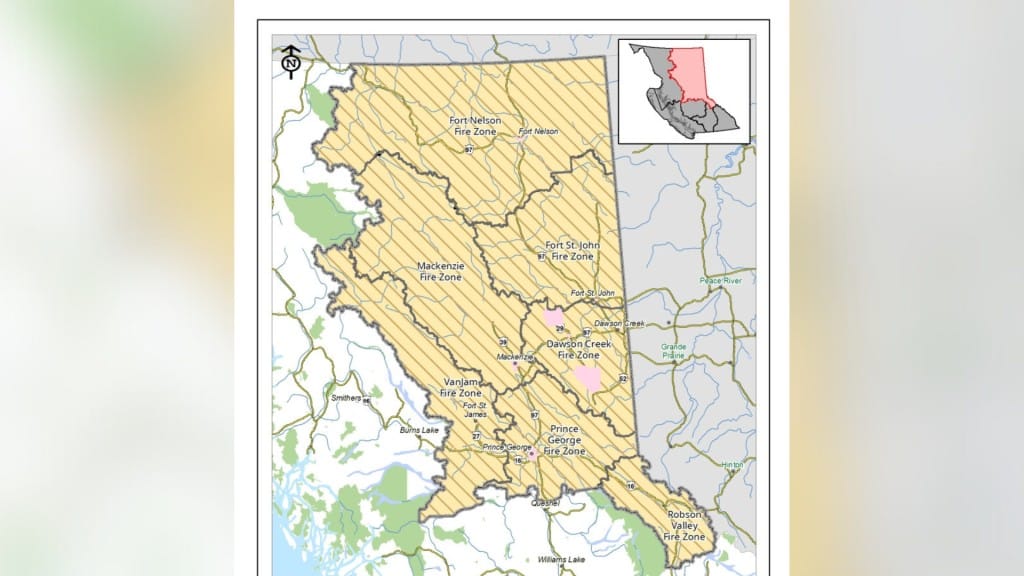
FORT ST. JOHN, B.C. — A campfire ban will take effect across northeast B.C. starting next week.
Starting 12 p.m. on Monday, September 8th, all category one open fires, including campfires, will be banned across the Prince George Fire Centre, the BC Wildfire Service (BCWS) announced Friday, September 5th.
“With the last couple of days, we’ve been in a hot, warming, dry trend, and the indices are now showing that the campfires have a higher per cent chance now to cause wildfire,” Pedro Roldan-Delgado, a BC wildfire information officer, told Energeticcity.ca.
Local News Straight
to Your Phone
Download our app today!
Available on Android and iOS devices
“So we just want to get ahead of that curve.”
The Prince George Fire Centre covers much of northeast B.C., including Fort St. John, Dawson Creek, Fort Nelson, Mackenzie and Prince George.
This comes after a category one ban in the Fort Nelson fire zone was rescinded in July, after heavy rainfall in the region.
This ban adds to the existing category two and three fire bans already in place and covers all public and private lands, although not municipal lands, and unless otherwise stated by local bylaws.
Latest Stories
It also restricts the use of fireworks, sky lanterns, burn barrels, tiki torches, chimineas, exploding targets, air curtain burners and any outdoor stoves without a Canadian Standards Association (CSA) or Underwriters Laboratories of Canada (ULC) rating.
CSA or ULC-rated outdoor stoves that burn charcoal, liquid fuel or gas, with flames under 15 centimetres, are still allowed.
The ban will remain in effect until October 17th, unless it is lifted earlier.
Violators could face fines of $1,150, administrative penalties up to $10,000, court fines up to $100,000 or even one year in jail.
If a violation leads to a wildfire, those responsible may also be billed for firefighting costs.
When deciding whether to impose an open fire ban, the BCWS said it considers several factors, including current and forecasted weather conditions, the availability of firefighting resources and the buildup index (BUI), a measure of how much fuel is available to burn based on moisture levels.
Environment Canada reported on Friday that a late summer surge in wildfire activity contributed to the recent air quality advisories across B.C., and in the week prior to September 2nd, the number of wildfires increased from 70 to almost 170. Most of the ‘out-of-control’ blazes were burning in the southern Interior.
As of September 5th, there are 143 ‘active’ incidents being tackled by the BCWS, including one blaze south of Chetwynd, in Bluff Creek.
The BCWS urges the public to help prevent human-caused fires and report any smoke or unattended campfires by calling 1-800-663-5555, dialing *5555 on a cellphone or using its app.
For the latest updates on bans and restrictions, visit the BCWS’ website.
Stay connected with local news
Make us your
home page
Authors

Related Articles
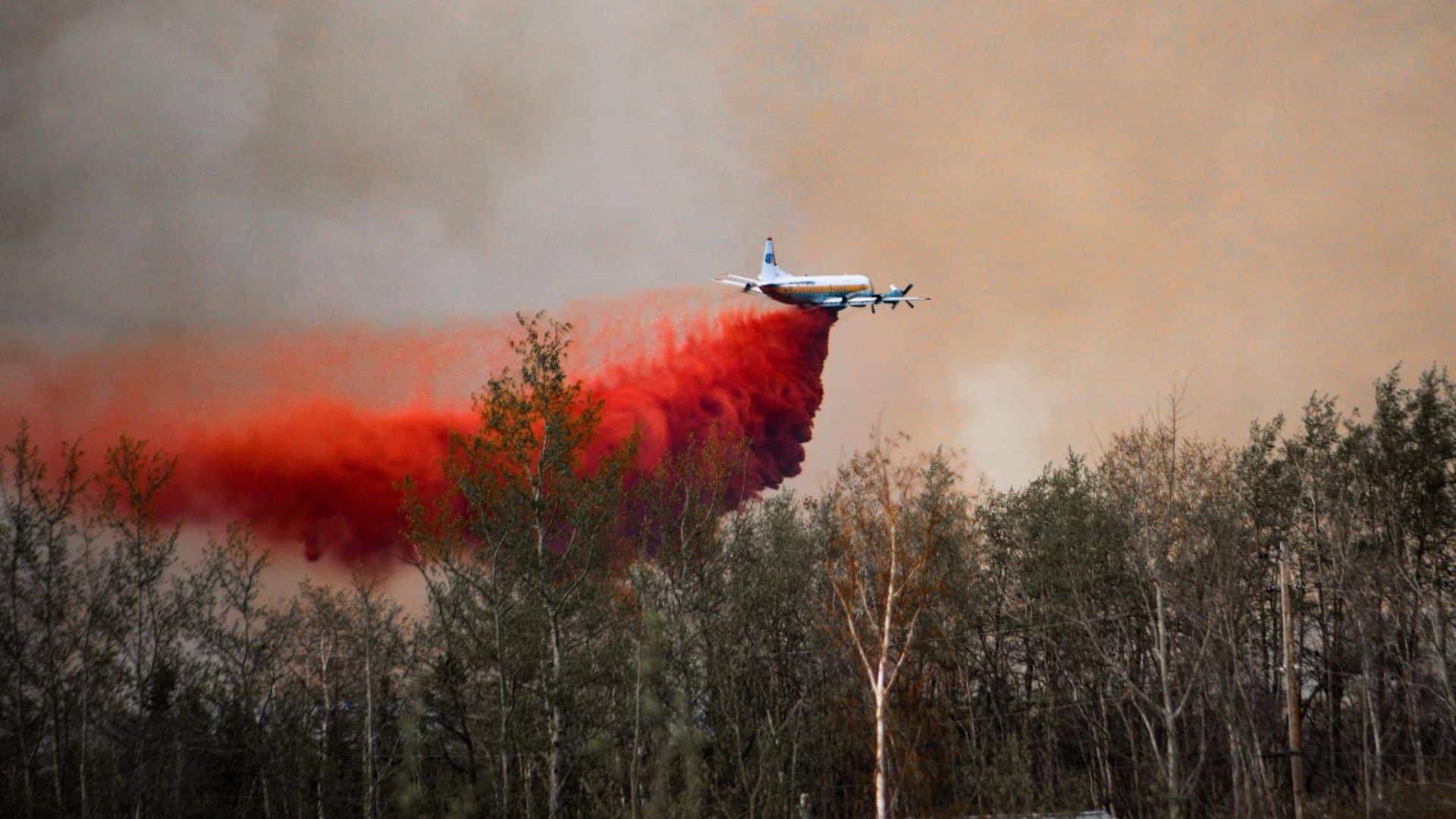
Northeast B.C. communities to be given $86,000 for firefighting equipment
Tumbler Ridge, Pouce Coupe and the Northern Rockies Regional Municipality are the communities in northeast B.C. to receive funding for firefighting equipment from the Ministry of Emergency Management and Climate Readiness.
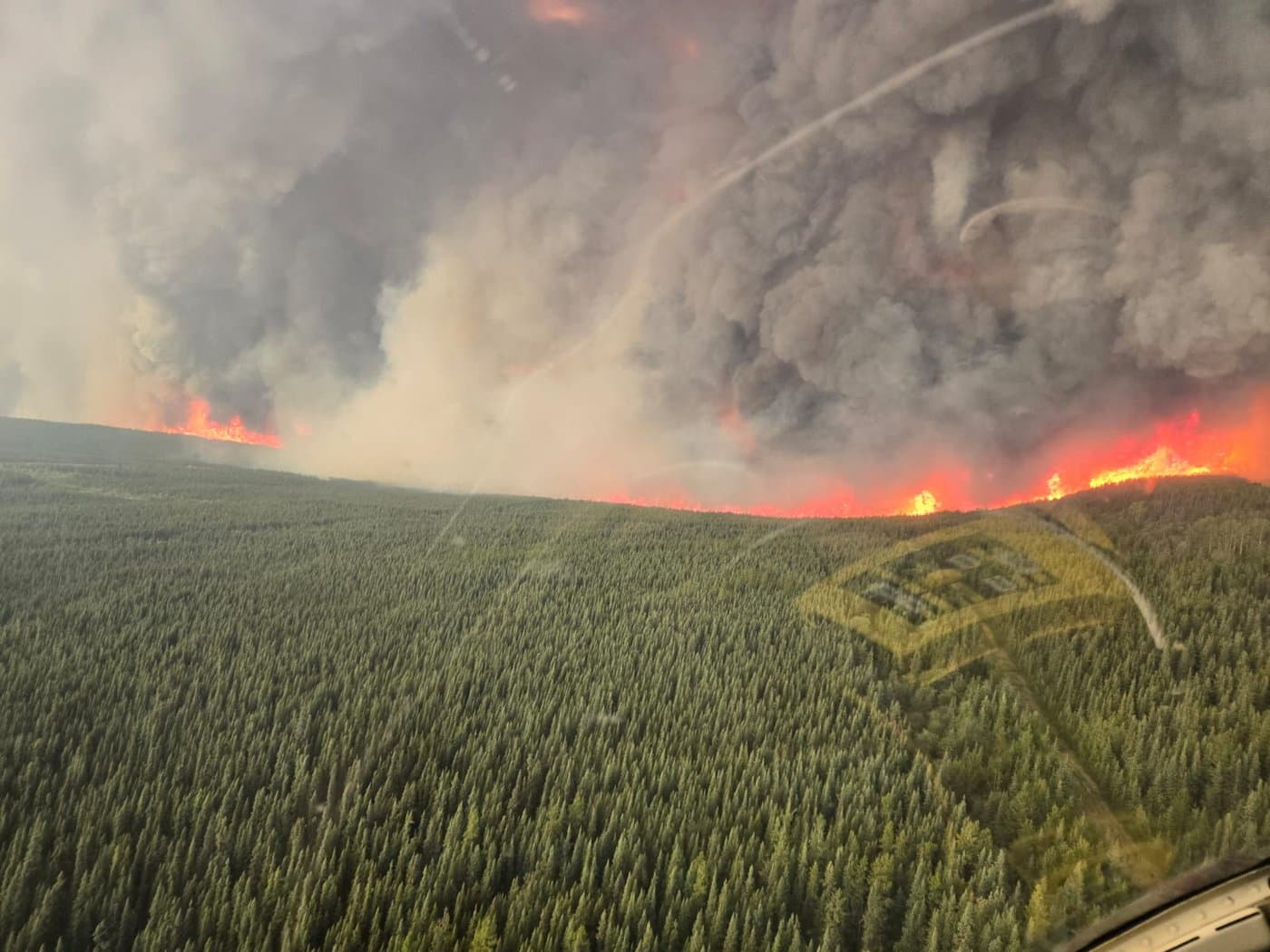
Wildfire training sessions to help northeast B.C. avoid ‘dangerous positions’
North America Fire Rescue is set to host wildfire training sessions in Chetwynd and Fort St. John this spring.
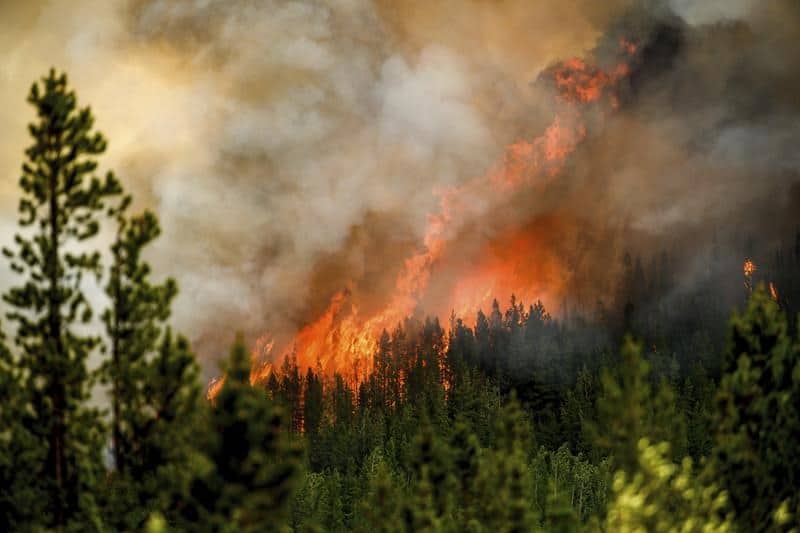
BC Wildfire Service readies for 2026 season with record 2,400 firefighter applications and more equipment in Prince George depot
The BC Wildfire Service has received around 2,400 firefighter applications and improved its equipment depot in Prince George in preparation for the wildfire season 2026, it said in a press release.