
Environment Canada issues air quality warning for Peace region, Fort Nelson
Air quality warnings related to wildfire smoke could impact the Peace River region and Fort Nelson for remainder of this week, Environment Canada says.
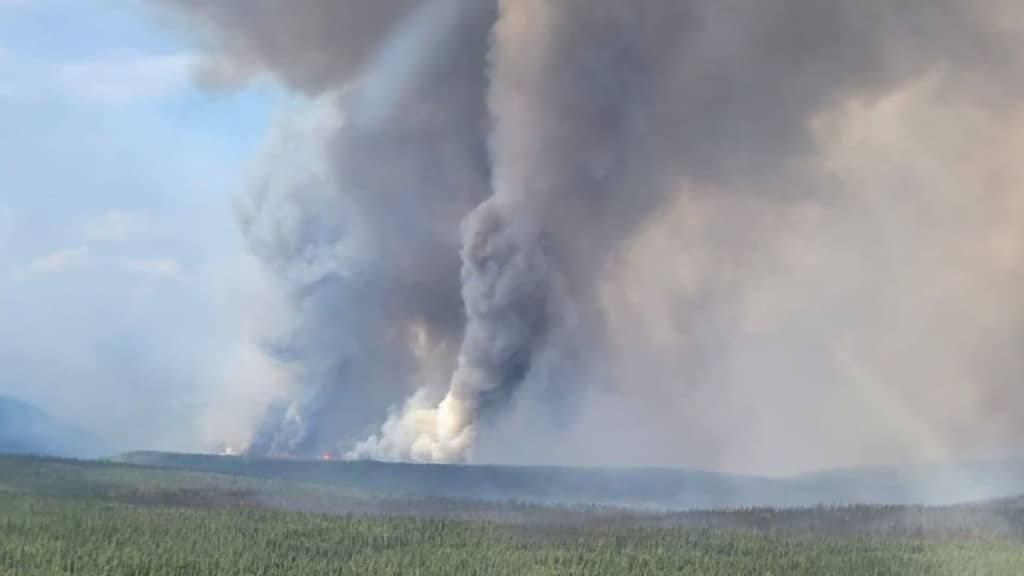
FORT ST. JOHN, B.C. — Several communities in northeast B.C., including the Peace region, could see heavy wildfire smoke activity as the week moves ahead.
Environment Canada issued an air quality warning on Tuesday, September 3rd which said “regions of B.C. listed are being impacted or are likely to be impacted by wildfire smoke over the next 24 [to] 48 hours.”
The weather authority said Fort St. John and all communities along Highway 97 extending from Farmington to Pink Mountain and Highway 29 to Moberly Lake, Rolla, Clayhurst and Goodlow could feel the impact of wildfire smoke.
To the south of Fort St. John, Chetwynd, Dawson Creek, Pouce Coupe and Tumbler Ridge could also see effects of wildfire smoke. To the north, it could impact Fort Nelson, Muskwa, Prophet River, Buckinghorse River, Sikanni Chief and Highway 77 extending to the Yukon border.
It states PM 2.5 exposure can be the “main health risk” with wildfire smoke and “there is no safe level of exposure” for some pollutants.
Symptoms of inhaling air pollutants can include: headaches, a mild cough, increased production of mucus and irritation of the eyes, nose sinuses and throat.
Additional symptoms can include dizziness, wheezing, chest pains, asthma attacks, shortness of breath and an irregular heartbeat.
Latest Stories
It advised people to limit time outdoors and reduce or reschedule outdoor sports, activities and events. Those who are vulnerable, such as people 65 and older, should seek medical attention if they start noticing symptoms.
The agency’s website says wildfire smoke is a mixture of gases, including ozone, methane, sulphur dioxide, nitrogen dioxide, carbon monoxide, volatile organic compounds, fine particulate matter (PM2.5) and polycyclic aromatic hydrocarbons (PAHs).
Earlier on Tuesday, September 2nd, Dawson Road Maintenance posted to X (formerly known as Twitter) saying wildfire smoke was “affecting our roads” in the Fort Nelson region, with visibility becoming a concern.
“Please drive with caution and remember to turn your lights on for safety,” reads part of the statement from the road maintenance company. “Let’s keep each other safe out there.”
Several wildfires continue to burn within the region, including the Pocket Knife Creek wildfire. However, most in the area continue to be designated by the BC Wildfire Service (BCWS) as ‘under control,’ meaning they will not expand beyond their current perimeters.
Those hitting the road can check DriveBC’s website for the latest road updates.
Additionally, WorkSafeBC issued a warning urging workers to safeguard themselves against the effects of wildfire smoke.
“Exposure to wildfire smoke can lead to both short- and long-term health impacts,” said the agency’s head of prevention services, Todd McDonald.
“Employers need to assess the risks associated with wildfire activity, implement effective controls and involve workers every step of the way.”
A press release from WorkSafeBC also advised employers to follow step-by-step checklists to address risk assessment and control measures for both outdoor and indoor workers.
Stay connected with local news
Make us your
home page
Authors

Related Articles
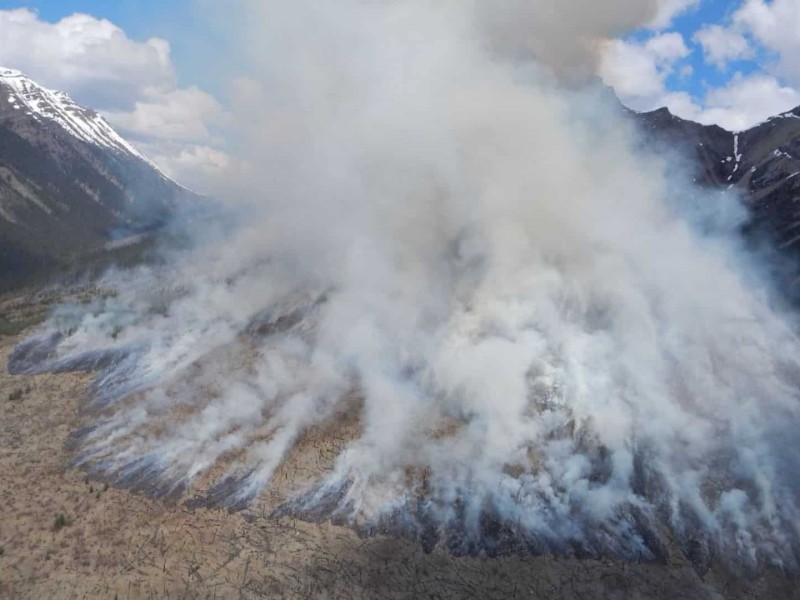
Prescribed burn planned for Fort Nelson on May 12th
BC Wildfire Service and the Northern Rockies Fire Rescue will conduct a prescribed burn for Fort Nelson on May 12th.
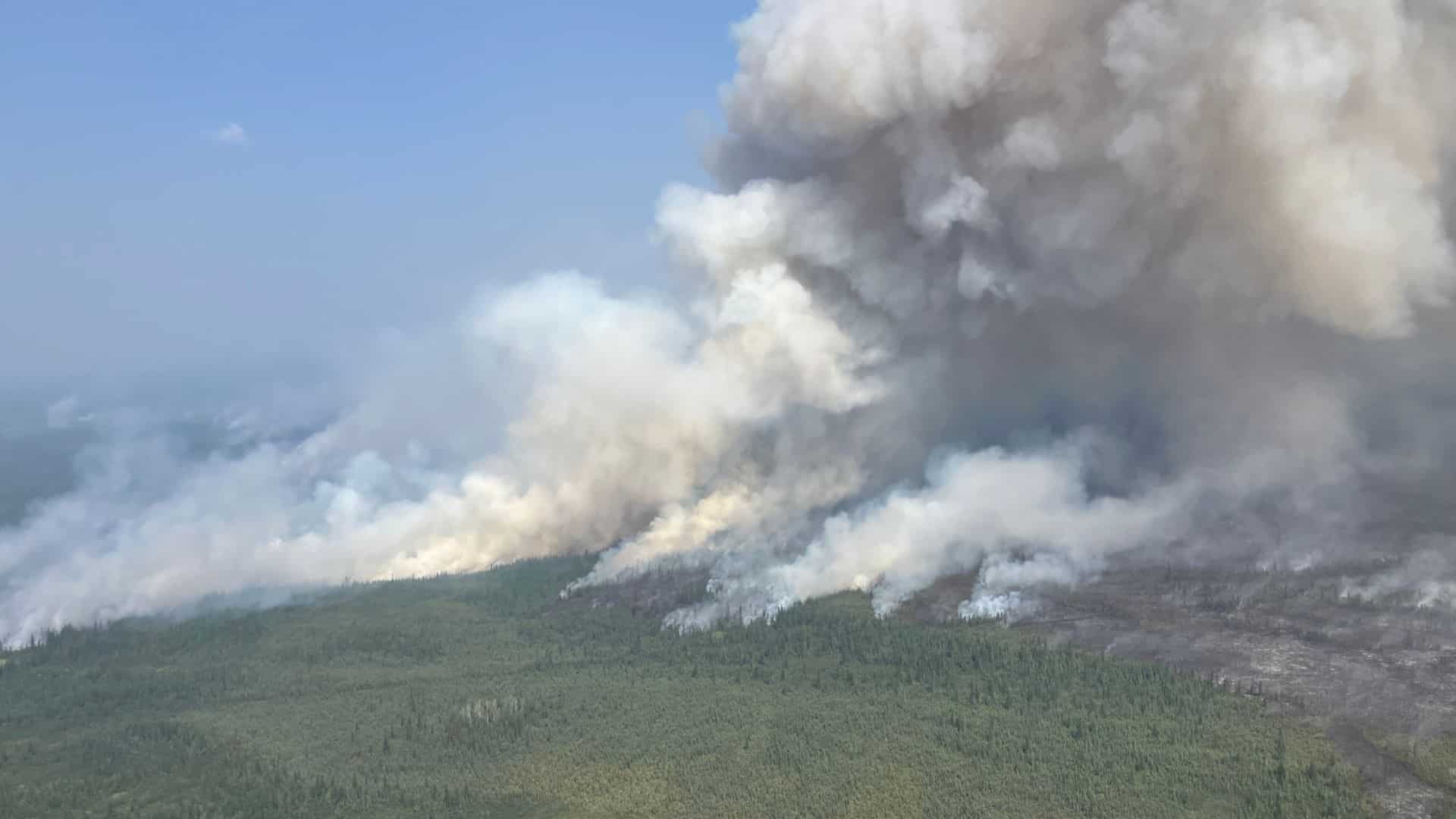
Wildfire authority explains why no fire ban in peace region yet
The BC Wildfire Service explained the reason to exclude the peace region from a category two and three ban is based on ‘a range of factors.’
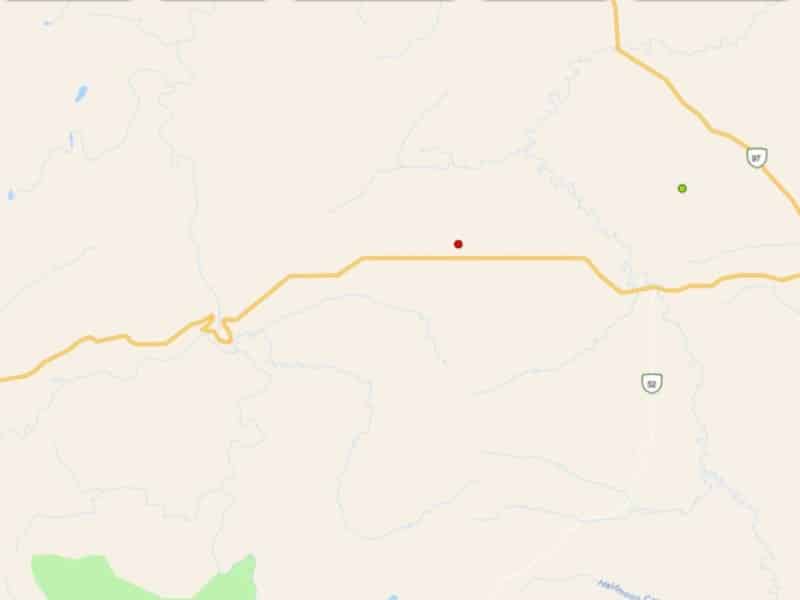
(UPDATE) BCWS reports wildfire near Tremblay
BC Wildfire Service has reported a wildfire between Chetwynd and Dawson Creek off Highway 97 which is currently “out of control.”