
‘Reverse Goldilocks’: Black bear squeezes through dog door to eat $500 of food and ounce of weed while man vacations in Dawson Creek
A black bear squeezed through a dog door to eat $500 worth of freezer food – plus about an ounce of weed – while the homeowner was on vacation in Dawson Creek.
UCLUELET, B.C. – A black bear squeezed through a dog door to eat $500 worth of freezer food – plus about an ounce of weed – while the resident was on vacation in northeast B.C.
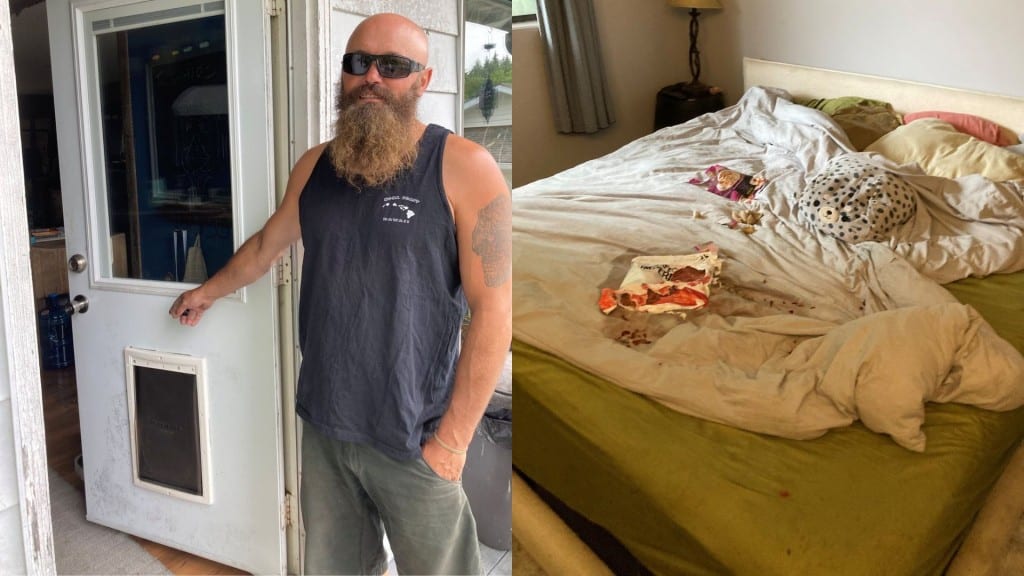
Ucluelet man Brandon Halvorson was in Dawson Creek when a black bear popped off the plastic cover to his dog door to get into his house and steal the food.
After looking over his power bill, Halvorson thinks the food-conditioned animal likely came into his home on July 17th or 18th.
Local News Straight
to Your Phone
Download our app today!
Available on Android and iOS devices
“I was calling it the reverse Goldilocks because he tested out the spare bedroom, the couch and my bed and chose my bed to eat the raspberries and bear meat,” said Halvorson, who is 210 pounds and demonstrated how a bear could indeed fit through the dog door.
Halvorson says when he returned from his trip on July 22nd, his house smelt like a rotting animal and his freezer door was open.
“The drawers and ice cube trays were ‘yard-saled’ all over the kitchen,” he said, noting the bear didn’t do any damage or dent the freezer, but just left footprints, scratch marks and hair.
“I was wondering why he didn’t hang around,” Halvorson continued. “He didn’t touch the pantry and cupboard, and he didn’t open the fridge.
Latest Stories
“Then I remembered I keep my weed in my freezer. I think it’s the weed that saved us. He probably got so paranoid and had to get the (heck) out. I can’t think of another reason he left half of the food behind.”
Halvorson’s house was burglarized by a bear about 10 days after employees with the B.C. Conservation Officer Service (COS) killed three food-conditioned black bears over two days in the Ucluelet area.
Conservation officers shot and killed a fourth bear on August 4th at a campground near Ucluelet to ensure public safety.
“The bear displayed food-conditioned behaviour, including accessing tents in search of food,” reads a statement from COS.
“Due to public safety concerns, bears with a conflict history that no longer fear people are not candidates for relocation or rehabilitation. In accordance with provincial human-wildlife conflict response guidelines, COS dispatched the bear to ensure public safety,” the statement continued.
Halvorson says in the 17 years he’s lived in Ucluelet, he’s never seen bears behave in this extreme way.
He thinks they have “decoded” the garbage and organic bins and that weekly garbage pick-ups need to be scheduled.
A flopping residential cart system
According to a report prepared by Bob Hansen at WildSafeBC, the “nature and trend of the documented human-bear conflicts on the west coast has changed since the implementation of the residential cart system in the fall of 2022.”
Hansen reports that in 2023, conflict bears noticeably shifted away from common attractants and started to primarily focus on garbage, organics and recycling carts.
“This behaviour progressed and the number of food-conditioned bears increased throughout the year 2023,” Hansen wrote.
Flash-forward to the summer of 2025, and the number of cart conflicts continues to climb with reports of food-conditioned bears learning to break brass clips, tearing apart lids and a sow teaching her cubs how to break into the carts, “illustrating the process of generational learning,” Hansen reports.
Ucluelet mayor and council discussed the human-bear conflict during the July 22nd regular meeting after receiving a letter from resident Robyn Mair that suggested Ucluelet move away from curbside pick-up to a centralized, communal waste drop-off location like other resort communities such as Whistler and Banff.
District of Ucluelet Councillor Mark Maftei called centralizing garbage a “red herring” and the main problem is “people ignoring the rules.”
Maftei, who is the executive director of the Raincoast Education Society (RES), put forward the idea of composting less during the summer months to reduce bear conflict and fining “repeat offenders” into compliance.
“I could list 45 culprits,” reiterated Ucluelet Councillor Mayco Noel. “There needs to be fines. Start issuing fines.”
Ucluelet Councillor Jennifer Hoar, who reported a bear “nosed into” a tea shop in the middle of the day, added: “We need 100 per cent compliance.”
Ucluelet bylaw officer Brittney Willms issued 21 warning notices in the last week of July for failing to secure waste.
The written warning gives residents two weeks to fix the situation or face a fine up to $300.
“Furthermore, if your situation results in attracting a bear onto your property, then whether or not the bear is killed, you may receive additional penalties under the provincial Wildlife Act,” reads a portion of the warning letter from the Alberni-Clayoquot Regional District’s (ACRD) solid waste manager Paulo Eichelberger.
The ACRD provides bi-weekly garbage and recycling pick-up to residents in Tofino, Ucluelet and surrounding Nuu-chah-nulth communities, while organics are collected weekly.
A message to Eichelberger was not returned.
COS says they have not issued any violation tickets in relation to the recent bear incidents. Under B.C.’s Wildlife Act, there is a $575 violation ticket for feeding wild animals.
WildSafeBC Pacific Rim community co-ordinator Chris Read meets regularly with Ucluelet bylaw and the ACRD to help mitigate wildlife attractants and secure bins in town.
Ideally, Read said the carts need to be kept inside until garbage pick-up or anchored down. Replacing brass carabiners with steel carabiners has also been effective, according to WildSafeBC, and freezing organics before collection day helps reduce the smell.
“Bears are smart. Bears are strong. Once they associate one bin having food and having a good reward, now they know the skill and they can use that and go down the street,” said Read.
“I know it’s not the best system, but it’s what we have right now. We’re just trying to use what funding we have to make it better to see if we can reduce the learning of new bears into our community.
“As we know, they get killed, they get conditioned, there is a long pathway that leads them to that.”
Report all wildlife conflicts to the COS RAPP line at 1-877-952-7277.
Stay connected with local news
Make us your
home page
Related Articles
Snowfall warning issued for Highway 97 and Pine Pass
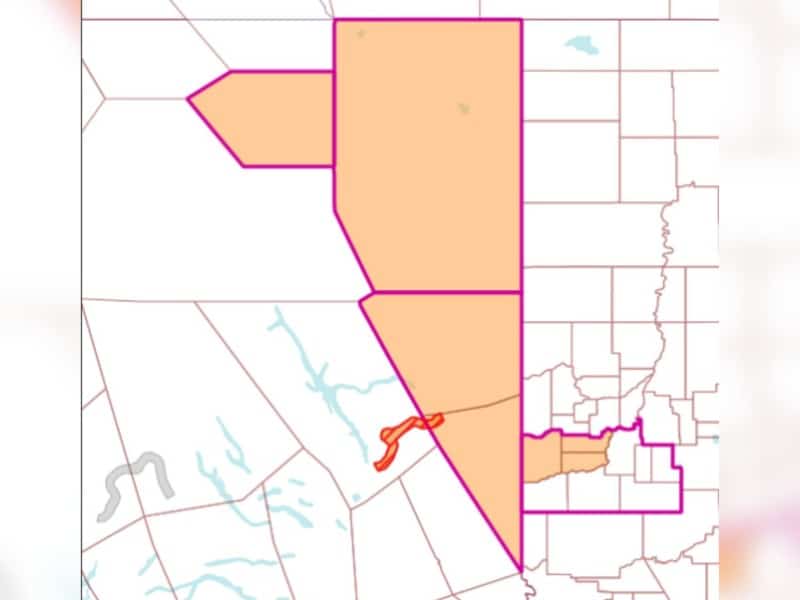
Environment Canada has issued a ‘yellow’ snowfall warning for Highway 97 and the Pine Pass, which might receive up to 15cm of snow overnight from March 26th to 27th.

Thieves target Fort St. John pizza restaurant for fourth time, leave with cash and vacuum
Thieves reportedly stole the cash register and a vacuum from Fort St. John’s Olio’s Pizzeria on Sunday, March 22nd, 2026.
SONS criticizes ‘devastating’ delays to Peace Villa expansion
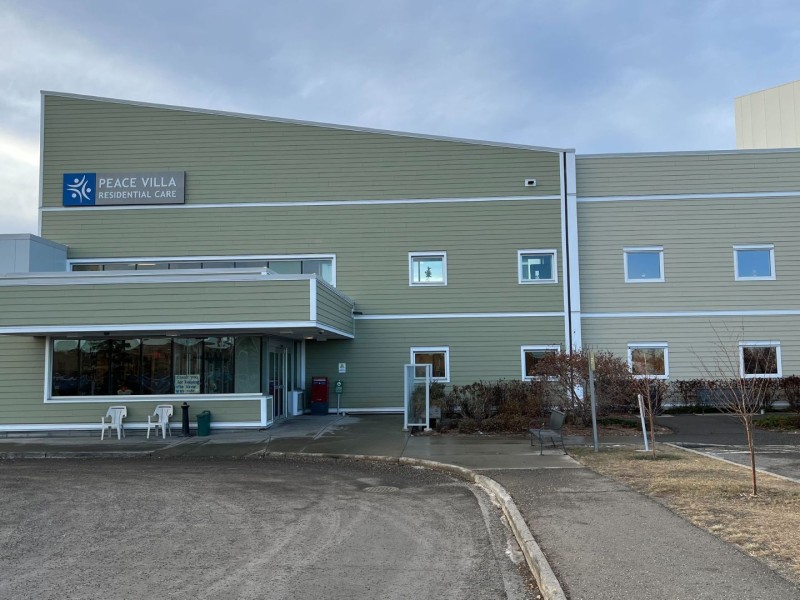
Save Our Local Seniors (SONS) is speaking out alongside the City of Fort St. John about delays to the Peace Villa long-term care home expansion project by the B.C. provincial government.