
Province faces more adverse drought this year despite rainfall in northeast B.C.
Despite recent rainfall around Fort Nelson in northeast B.C., the province is readying for this year’s drought season to be more severe in 2025.
VANCOUVER, B.C. — Despite recent rainfall in northeast B.C., the province is readying for this year’s drought season to be more severe than last.
In a media briefing on July 14th, Randene Neill, the minister of water, land and resource stewardship, asked residents to do everything they can to conserve the resource because the southern Interior faces elevated drought conditions.
Neill said they want people to think about saving water wherever possible, such as watering lawns less frequently and fixing leaky faucets, as up to 70 per cent of water is used in residences in some regions.
David Campbell, with the B.C. River Forecast Centre, says the province had only 79 per cent of its normal snowpack level by April, and the snow season ended a few weeks earlier than usual.
He says the situation this year has been made worse by a warmer spring compared with last year, where a more gradual snow melt helped to alleviate drought conditions later in the year.
The centre says that while recent rain has improved conditions near Fort Nelson in the northeast, the Nicola, Okanagan and other regions in the southern Interior are seeing worsening conditions and declining streamflow, with little rain in the forecast.
“While some of the recent rainfall has been beneficial, we really need to see much more sustained longer-term, on the order of months or even a season of wet weather, to really make up the deficit that we’ve seen over the long range,” Campbell says.
He adds that Environment Canada’s seasonal forecast for B.C. calls for an increasing chance of a warmer summer and there’s a possibility that drier conditions could be present moving forward, particularly in the Okanagan and the Kootenay regions.
Neill says the province is monitoring streamflow levels and will only issue temporary protection orders “as a very last resort” when voluntary water conservation efforts are not enough.
“Though we cannot control drought, we do know that early action will make a big difference when it comes to water scarcity impacts or the amount of water available for ecological and human needs,” Neill said. “And that’s why we always begin with a voluntary approach.
“My message to all of those people (with high residential water usage) is that what you do makes a significant difference to the amount of water the whole community has, and we have to remember that we have to share our water not with other residents but farmers, agriculture, industry, all of those things.”
The province is also introducing a new method for tracking drought, saying the changes are needed because the current drought index oversimplifies the conditions facing local regions.
It says the new system addressing water scarcity aligns with drought measurements in other jurisdictions and allows for a more precise understanding of climate trends across the region.
It will also measure different needs, including the drinking water supply, ecological health, fish population survival, food production and security.
The recent wet weather has been beneficial to firefighting efforts in the Fort Nelson fire zone, according to the BC Wildfire Service.
This report by The Canadian Press was first published on July 14th, 2025.
Chuck Chiang, The Canadian Press
Stay connected with local news
Make us your
home page
Authors

Related Articles
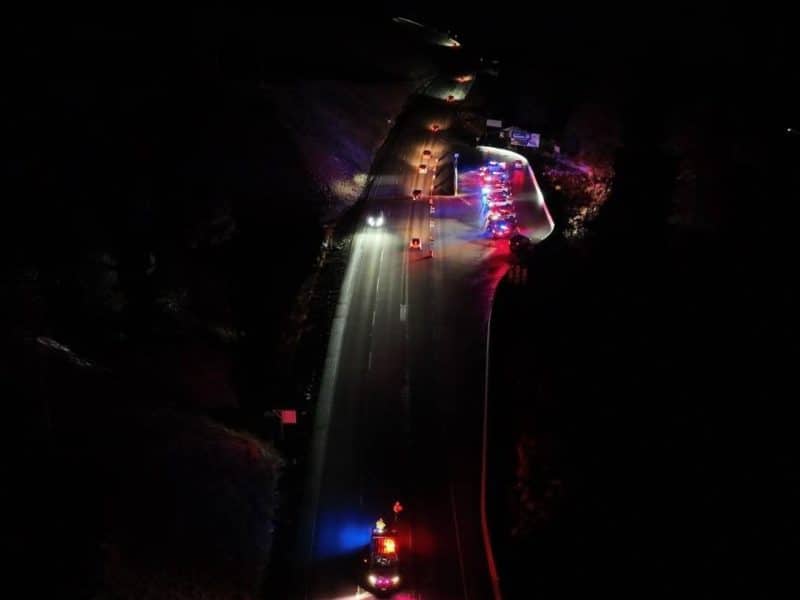
Number of impaired northern B.C. drivers stopped by police in December bucks trend
Results from BC Highway Patrol’s annual winter impaired driving campaign in December 2025 shows an increase in the number of motorists stopped in the north.

Dawson Creek man launches website tracking ER status across northern B.C.
Romeo Macabuhay’s website ‘Is ER Open?’ monitors the status of hospital ERs operated by Northern Health, including in northeast B.C.

Costs, timeline, impact: City councillors talk new pool proposals, including feedback on possible tax rise
Councillors Trevor Bolin and Sarah MacDougall went on an episode of This Week In the Peace to discuss the city’s plans for the new aquatic facility to replace the North Peace Leisure Pool.