
Homebuilders could save hundreds of dollars with policy change, BC Hydro reports
BC Hydro has enacted distribution extension policy changes on July 5th aimed at reducing costs and streamlining the electricity system.

FORT ST. JOHN, B.C. — BC Hydro has made policy changes to increase its contributions to electrical system expenses, possibly resulting in hundreds of dollars in savings for homebuilders.
According to the Government of B.C., BC Hydro changed its distribution extension policy, which went into effect on July 5th.
“With more homes being built throughout B.C., people need fast, affordable access to power,” said Adrian Dix, minister of energy and climate solutions.
Local News Straight
to Your Phone
Download our app today!
Available on Android and iOS devices
“This policy change helps make that possible by cutting connection costs and simplifying the process.”
These changes are designed to reduce costs and streamline the connection process for residential developments.
“The updated policy reflects input from extensive consultations BC Hydro held with industry, local governments and other stakeholders and these changes help builders move forward faster, lower upfront costs and support the province’s efforts to get more homes built quickly,” said BC Hydro.
According to BC Hydro, the costs are spread out more broadly and BC Hydro will increase its contribution to the expenses of extending the electrical system.
Latest Stories
Some examples include savings on a 13-unit townhouse project, which could be around $16,000, and standard charges on a single-family home being reduced to $64 to connect. This is a decrease from over $800 before the policy change.
“We commend the comprehensive engagement with the home-building industry on the updated distribution extension policy,” said Neil Moody, CEO of the Canadian Home Builders’ Association of B.C.
“Reducing upfront costs to get new homes connected to the electrical grid is a meaningful step to support home building across B.C.”
The service said it will also cover the following expenses to extend the electrical system:
-$1,475 to $2,782 per residential dwelling
-$200 to $518 per kilowatt of demand for general service
-$150 to $180 per street lighting fixture
-$150 to $495 per kilowatt of irrigation demand
“This update will make a real difference for families and builders,” said Ravi Kahlon, minister of housing and municipal affairs.
“Lower connection costs and faster timelines mean it’s easier to build the homes people need, and to do it more affordably in communities around British Columbia.”
Stay connected with local news
Make us your
home page
Authors

Related Articles

Dawson Creek Business Facade Program opens for grant applications
The City of Dawson Creek is looking for applications from local businesses for its 2026 Business Facade Program and the deadline for the first intake is May 1st.
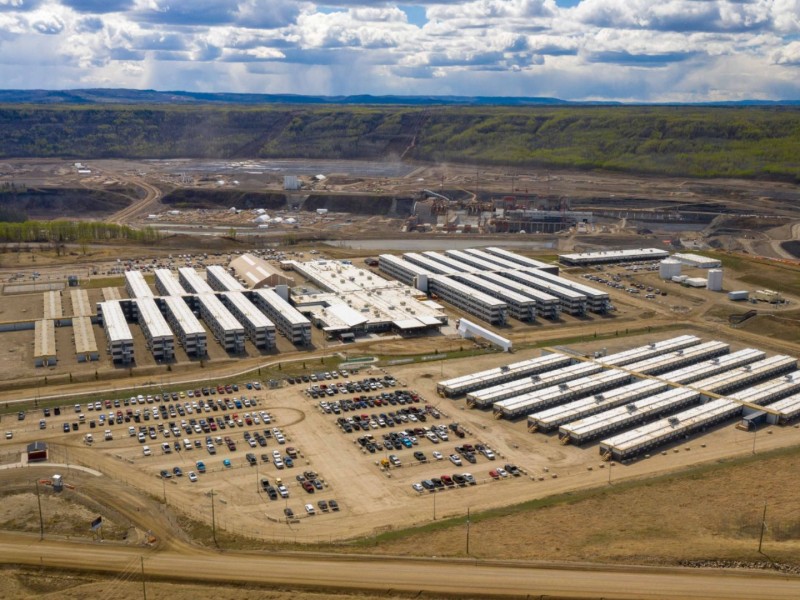
Closure of Site C workers camp fast approaches as future of structures remains uncertain
The workers camp adjacent to BC Hydro’s hydroelectric dam Site C is set to close on March 31st, but the organization is “confident” it will be able to repurpose as many assets as possible.

The great potato giveaway: Métis society looks to distribute 55,000 lbs of potatoes
Some 55,000 lbs of potatoes were given to the Fort St. John Métis Society through the Second Harvest program.