
Northern Health reports recruitment successes and challenges
The City of Fort St. John council spoke with a representative from Northern Health during their last meeting of the year for a recap of the year’s recruitment efforts by the health authority.
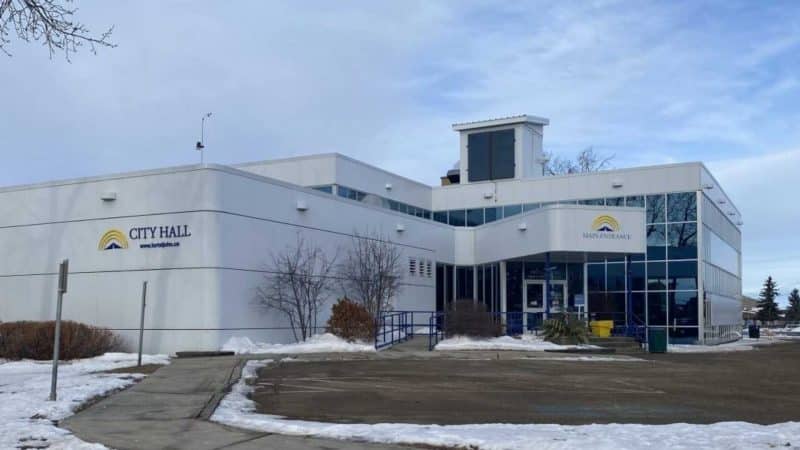
FORT ST. JOHN, B.C. – The City of Fort St. John council spoke with a representative from Northern Health during their last meeting of the year for a recap of the year’s recruitment efforts by the health authority.
During the December 9th Committee of the Whole meeting of council, Emelye Macfarlane, the regional manager of recruitment services at Northern Health, presented information regarding the health authority’s recruitment services in the North East Health Service Delivery Area from January 2025 to present.
In the Northeast, Northern Health has a 21.25 per cent vacancy rate as of the December presentation, with 1,832 positions vacant in 15 communities.
When showing employment net gains, Macfarlane explained that 638 individuals had been hired both internally and externally for careers including facilities, nursing, community, and health sciences professions.
In the same time period, 616 individuals left the organization or their department of prior employment at Northern Health.
Macfarlane detailed the efforts by Northern Health to recruit professionals to the region, including attending 93 conferences and hosting six virtual career fairs. The health authority has also continued to advertise the Rural and Remote Recruitment Incentive (RRRI) of $30,000 for two years of employment in a rural and remote community.
The incentive is provided to the qualifying individual at the time of their employment, and if they leave before the two-year term is complete, they are required to return part of the incentive.
Latest Stories
In the region, 21 individuals moved to Dawson Creek, two to Chetwynd, 35 to Fort St. John, three to Fort Nelson, and two to Tumbler Ridge as a part of the incentive program.
Northern Health also presented the results of working with graduates and community involvement programs. In 2024, a total of 26 new grads began working in the healthcare industry in Chetwynd, Dawson Creek, Fort Nelson, and Fort St. John. One now works in Chetwynd, one in Fort Nelson, six in Dawson Creek, and 18 in Fort St. John.
When asked by the council, Macfarlane explained some of the challenges with recruiting to rural communities include competition from other provinces and rural and remote communities having less draw for individuals from urban regions.
According to exit interview data, individuals employed at Northern Health typically are employed for one to three years. Macfarlane stated that some reasons for employee departure include their lack of desire to live in rural and remote areas long term, that they obtained their permanent residency, or that they came for experience.
To review the complete presentation, see pages 12 to 21 of the complete committee of the whole agenda below.
Stay connected with local news
Make us your
home page
Authors

Related Articles

Drug trafficking investigation leads to arrest for privately manufactured firearms operation
Fort St. John RCMP say a 37-year-old man was arrested in relation to a 3-D printing firearm operation.

Fort St. John RCMP arrest man in Mathews Park robbery
A man was brandishing what appeared to be a gun at staff members of a Fort St. John business on June 18th.
Fort St. John Hospital reports “higher than usual” patient volume
The Fort St. John Hospital is experiencing higher than normal wait times.