
Resiliency and reflection on Truth and Reconciliation Day
One by one, members of the public came to the Tse’K’wa Heritage site on the annual Day of Truth and Reconciliation September 30th.
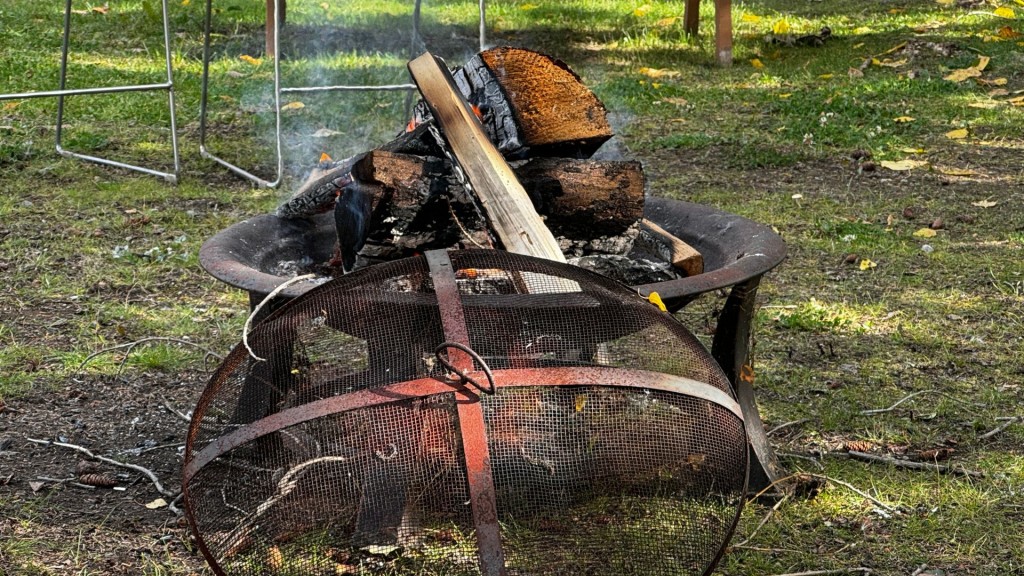
CHARLIE LAKE, B.C. — One by one, members of the public came to the Tse’K’wa Heritage site on the annual Day of Truth and Reconciliation September 30th.
Children, families, and First Nations Elders wore orange to commemorate what began as “Orange Shirt Day.” They gathered around the fire to reflect, remember, and discuss a dark and ugly chapter in Canadian History: the residential school system.
Members of the Indigenous community in attendance took the opportunity to support one another while settlers came to hear their stories.
Local News Straight
to Your Phone
Download our app today!
Available on Android and iOS devices
According to Alyssa Currie, the site had an extremely busy year, with artifacts repatriated and events held around National Indigenous People’s Day.
She says the site, one of the first Indigenous-owned national historic sitesin the country, displays the Dane-Zaa people’s “resiliency.”
Although she’s grateful for opportunities to celebrate the successes and revitalization of the culture, Currie added that Monday afternoon was a time to reflect on somber realities and history, too.
“[Residential schools] have had an impact not only on the survivors but their families and communities,” said Currie. “We wanted to create a safe space for those individuals to come and hopefully do some healing for themselves.”
Latest Stories
“At the same time, we hope the non-Indigenous public come and learn and reflect.”
Self-guided tours of the cave, dated back over 12,000 years, were also offered.
At the site’s archaeological dome, there were refreshments and a history of excavations at the site, as well as members of the Indian Residential School Survivors Society (IRSSS)
The society’s website states that it is a non-profit based in Vancouver that provides essential services to residential school and intergenerational trauma survivors and their families.
Founded in 1994 as “The Residential School Project,” the organization also provides emotional, physical, intellectual, spiritual growth, development and support to families for the families of Murdered and Missing Indigenous Women and Girls (MMIWG).
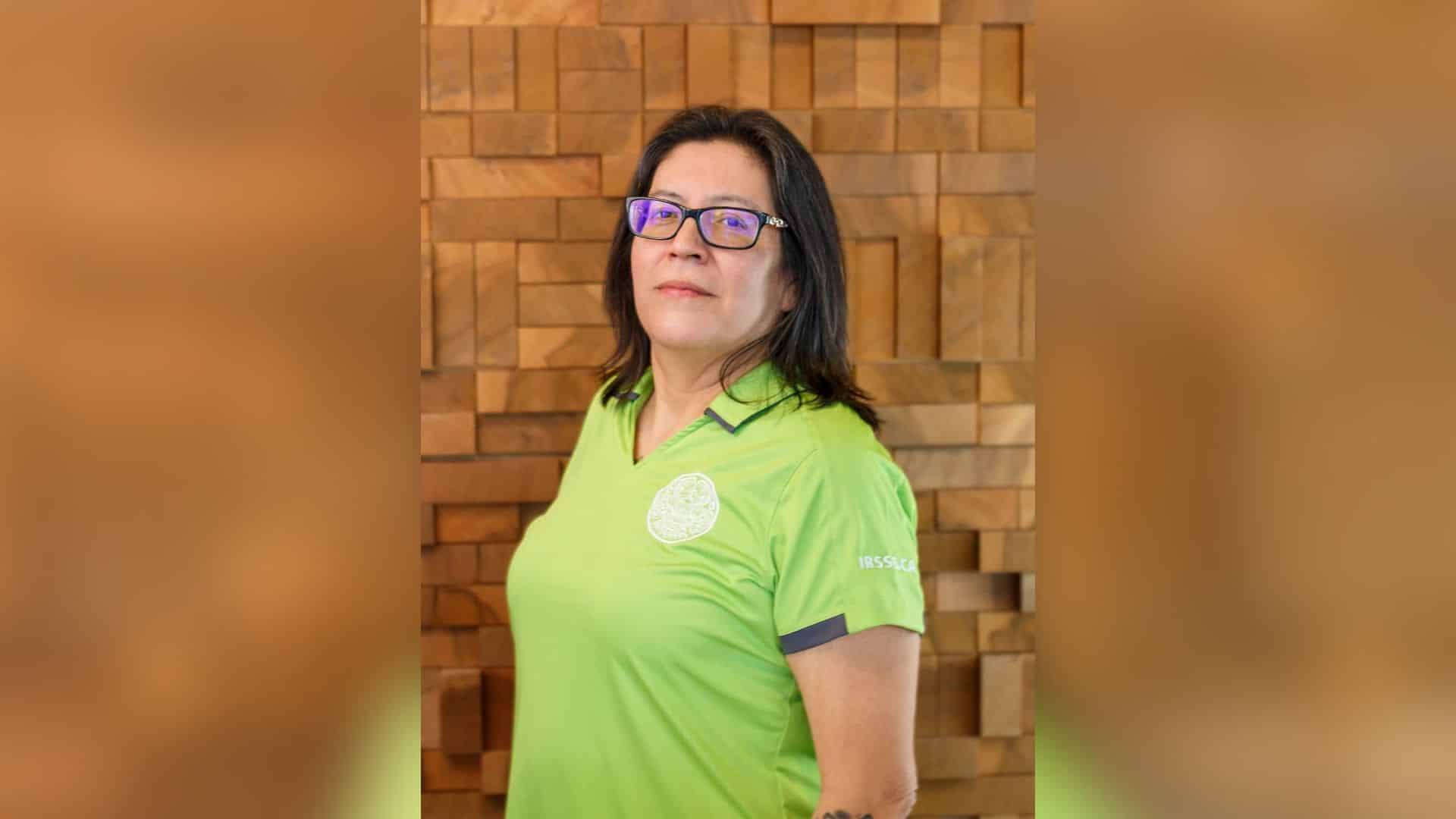
Adrienne Greyeyes is a Resolution Health Support Worker for the IRSSS based in Fort St. John.
A member of Bigstone Cree Nation of Alberta, she says the day is a significant one for Indigenous communities across the province and around the country.
“One of the most important things for this day is that actual acknowledgment of everyone who lives on these ancestral lands,” said Greyeyes. “It’s about making an effort to educate yourself and acknowledging what took place.”
The National Day of Truth and Reconciliation began informally as “Orange Shirt Day” back in 2013.
Rooted in the findings of the Truth and Reconciliation Commission from 2008 to 2015, which determined assimilating Indigenous children from their families to residential schools equated to cultural genocide, it was officially recognized as a National Holiday in 2021.
Stay connected with local news
Make us your
home page
Authors
Related Articles
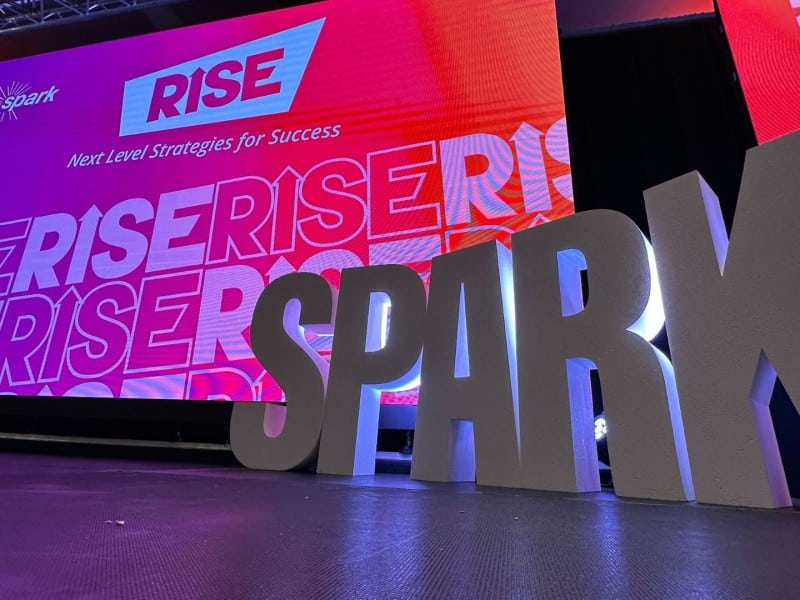
Award-winning Indigenous activist to be keynote speaker at Spark conference
Ashley Callingbull is an actress, model and First Nations activist who will make a keynote appearance at the Spark Women’s Leadership Conference in Fort St. John in 2026.
Fort St. John Métis Society looks to gather delegation for national event
The Back to Batoche Métis gathering takes place from July 16th to 19th in 2026, and the Fort St. John Métis Society is looking to send about 20 members.
Long-standing Spirit of the Peace Pow Wow president resigns
Connie Greyeyes has resigned from her position as board president of the Spirit of the Peace Pow Wow.