
Northern Rockies Regional Municipality hosts post-evacuation meeting
The Northern Rockies Regional Municipality (NRRM) hosted a post-evacuation meeting earlier this month for town residents after wildfires in the area forced a state of emergency and evacuation in May.
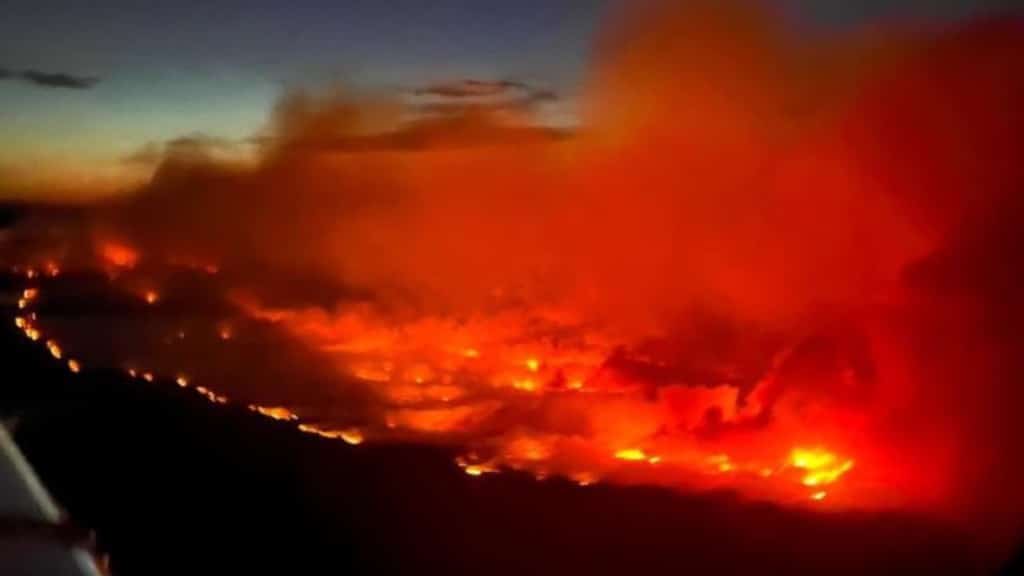
FORT NELSON, B.C. — The Northern Rockies Regional Municipality (NRRM) hosted a post-evacuation meeting earlier this month for town residents after wildfires in the area forced a state of emergency and evacuation in May.
On June 12th, the NRRM council led the meeting, with Fort Nelson Fire Rescue (FNFR), the BC Wildfire Service (BCWS), the local RCMP detachment, and the Ministry of Emergency Management and Climate Readiness (EMCR) representatives also in attendance.
The purpose of the meeting was focused on incident response, evacuation, emergency support services, and community re-entry.
Local News Straight
to Your Phone
Download our app today!
Available on Android and iOS devices
NRRM mayor Rob Fraser began the meeting by noting the work done by all branches of response for keeping the fires, which are still prominent in Fort Nelson, at relative bay.
“I’m deeply grateful for the common sense that all of you showed,” said Fraser. “For your resilience and cooperation throughout the entirety of this situation.”
“We all have lanes we have to follow. I think there’s some misunderstanding with respect to where those lanes crossover, and the impact of decisions which get made.”
Fraser mentioned it is council’s responsibility to authorize extraordinary expenses or recovery expenses not covered by provincial policy.
Latest Stories
“It’s on us and our community to figure out how we might have to change the budget or the resources to cover any cost that’s not covered by the province,” said Fraser.
After briefings by outgoing incident command Todd Flanagan of the BC Wildfire Service and Chief Superintendent of the RCMP Brian Edmonds, who outlined the roles and responsibilities and a brief summary of their roles in the evacuation and thereafter.
The region still has nine fires, with the largest being Patry Creek, reported on May 2nd and currently listed at 67,297 hectares, currently listed as ‘being held’; and near Parker Lake, at 12,348 hectares, currently listed as ‘under control.’
There is an incident management team, along with 210 firefighters, 14 helicopters, eight danger tree fallers, and six pieces of heavy firefighting equipment, according to Flanagan.
He added helicopter and drone scanning have occurred when monitoring the Parker Lake wildfire.
“We have a really secure perimeter all around it,” said Flanagan. “We are going to see fire throughout it.”
“There is a lot of fire internally, that is unsafe to put our firefighters. We’re going to see smoke on that for the next couple of weeks for sure.”
Emergency program coordinator Erin Lavalle said during the meeting that the Emergency Operations Centre (EOC) does not manage the incident. With the BCWS taking the position of direction, the EOC’s job is merely to coordinate.
“We are there to support them,” Lavalle said. “We are the group also through which the local authority issues legislative tools.”
Lavalle added The EOC relocated to Pink Mountain on May 12th, with a 12-hour window which they were unable to communicate.
The entire meeting can be viewed on YouTube on the Northern Rockies Regional Municipalities’ channel.
Stay connected with local news
Make us your
home page
Authors

Related Articles
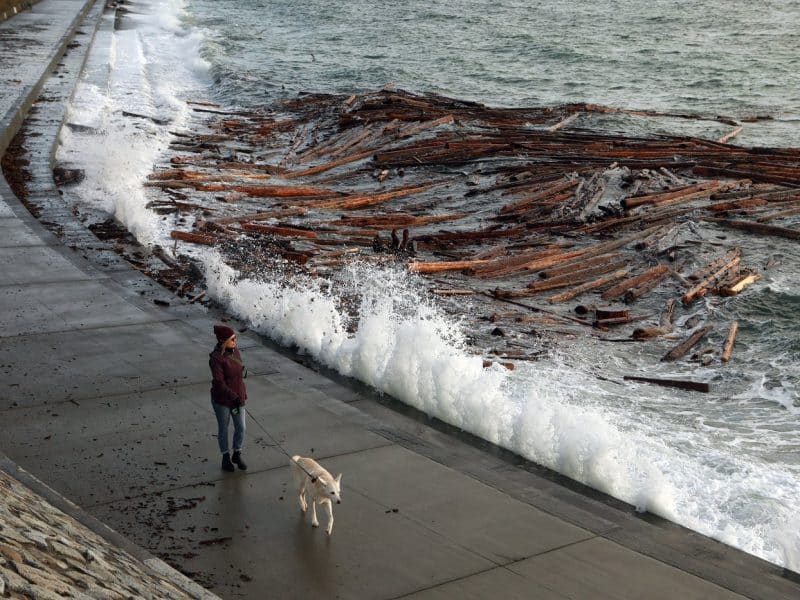
Environment Canada says strong winds are coming to parts of B.C. starting on Monday.
VANCOUVER — A special weather statement issued for much of British Columbia’s southern coast and parts of Vancouver Island is warning of “strong and gusty” winds starting on Monday. The…
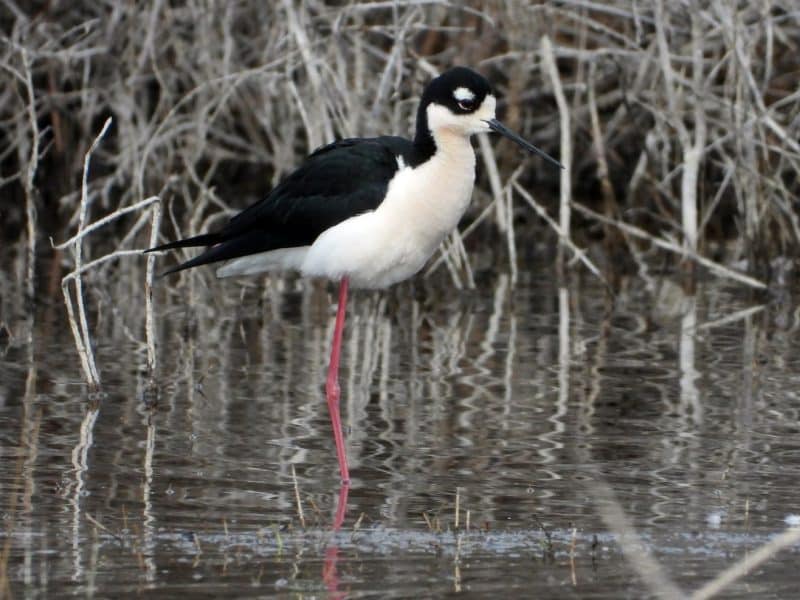
University study finds few improvements to at-risk species in B.C.
VANCOUVER — As spring blooms in British Columbia, the brilliant orange-and black pattern of a monarch butterfly’s wing and the distinctive cream cap on a black male bobolink songbird are…
B.C. RCMP officer injured after crash during motorcycle training exercise
SURREY — Two BC Highway Patrol officers were taken to hospital, including one with serious injuries, after crashing during a motorcycle training exercise in Surrey, B.C. A statement from the…