
Residents warned of pandemic scams, FSJ RCMP gives prevention tips
FORT ST. JOHN, B.C – Fort St. John RCMP isn’t surprised that fraudsters are now using the COVID-19 vaccine to …

FORT ST. JOHN, B.C – Fort St. John RCMP isn’t surprised that fraudsters are now using the COVID-19 vaccine to request people’s money.
“I think that’s important to note is that a lot of scams are based on fear. So anytime there’s some sort of, maybe like, fear of missing out, and in this case, like with COVID-19, maybe getting the vaccine, there’s a fear or even a low fear associated to that; I might miss out,” says Constable Chad Neustaeter, Media Relations Officer for the Fort St John RCMP.
Earlier this month, B.C. health officials and police advised people to be cautious about vaccine scams, among other pandemic scams.
Everyone’s lives changed last year when a pandemic was declared; some viewed this as an opportunity to make money. In one case, Neustaeter mentions people posing as companies selling Personal Protective Equipment.
“It wasn’t delivered, or some places didn’t even put in an order and items were delivered, and then bills are sent that you owe us for this product.”
The detachment hasn’t received any reports of vaccine scams in the city, but Neustaeter says fraud is very common in Fort St. John.
“I think anytime there is a fear of something, that’s often how frauds progress, causing someone to react in a panic without being able to think about it rationally.”
The main thing to watch out for with fraud calls or emails is urgency, with the fraudster wanting an immediate response, according to Neustaeter.
“Something has happened; they need to provide money; they need to provide information for them to be off the hook or to assist somebody in some way. Often, it’s too good to be true.”
Residents are advised to say no to the call, whether positive or negative and ask for contact information so that you can review the situation.
“By saying no, or asking for time to deal with it, if their pressure continues, it’s a reminder that likely this is something that is a fraud. Research, what’s being requested of you, get a phone number to call them back, get a company name, do a Google search.”
Many scams will target vulnerable people, such as seniors. In those cases, they’re advised to speak with someone they trust, such as friends or family members, to assist them.
“When it comes to some of the COVID-19 aspects of things. For the most part, nobody needs to reserve any needles. Nobody needs to get ahold of their own vaccines. At this point, the government’s health agencies are doing that for people.”
According to Neustaeter, if someone becomes a victim of fraud they should:
March is Fraud Prevention Month across Canada. The Canadian Anti-Fraud Centre will be focusing on fraud awareness all month long.
For more information on preventive measures surrounding fraud, head to the CAFC’s website.
Stay connected with local news
Make us your
home page
Related Articles
Peace River North MLA to meet with minister about Taylor Bridge
Peace River North MLA Jordan Kealy said he is in the process of scheduling a follow-up meeting with Mike Farnworth, B.C. minister of transportation and transit, to discuss the Taylor Bridge.
Peace River North MLA endorses B.C. Conservative leadership candidate
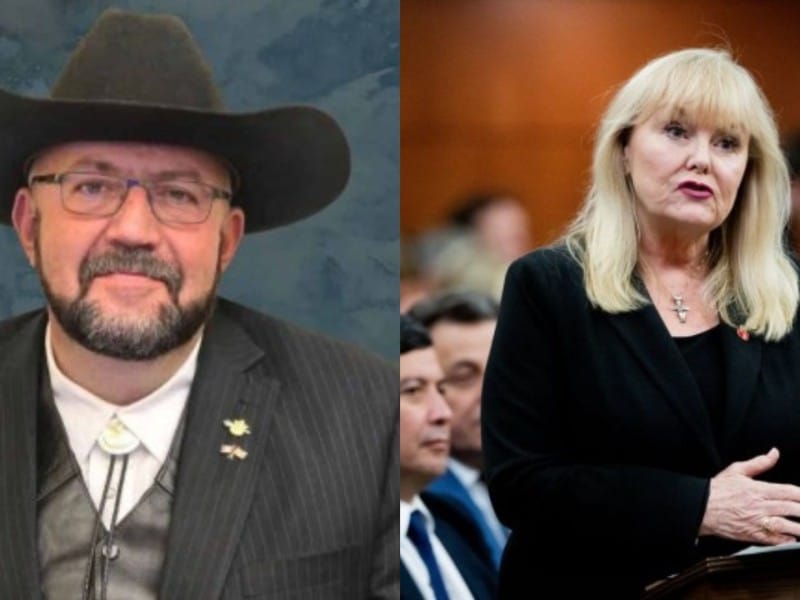
Peace River North MLA Jordan Kealy has announced his support for Conservative Party of British Columbia leader candidate Kerry-Lynne Findlay.

Load restrictions now in force across Peace region
Peace region drivers will have to adjust their loads accordingly due to a new set of restrictions imposed by the Ministry of Transportation and Transit.