
Indigenous-led native plant orchard holds groundbreaking ceremony
The new 120-acre native plant orchard includes 20 acres of land for member-harvest area for Blueberry River First Nations.
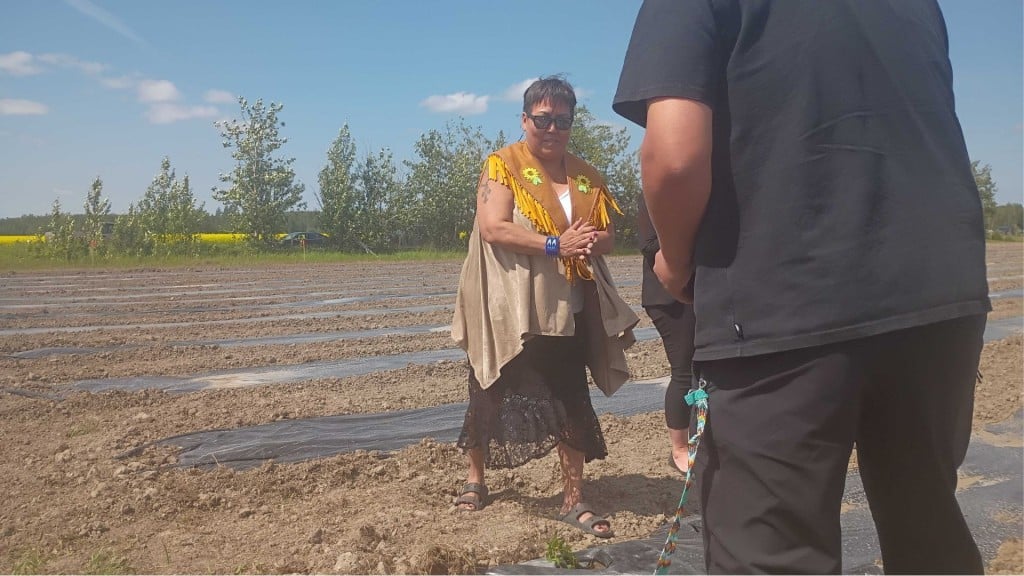
BLUEBERRY RIVER FIRST NATIONS, B.C. — A northeast B.C. First Nation has taken a step forward in restorative reconciliation with the launch of an orchard project.
Blueberry River First Nations (BRFN) broke ground on a native plant orchard on Tuesday, July 14, with 120 acres of commercial live plant and seed operations to take place on the grounds.
The project is overseen by Grandmother’s Greenhouse, a subsidiary of Blueberry River Resources.
Local News You Can Trust
Label us as a Preferred Source to see our stories more often
Grandmother’s Greenhouse was established under the 2023 Implementation Agreement (IA) with the Provincial Government and BRFN, and the business is dedicated to “building a reliable supply of locally adapted native seed and plant materials to support ecological restoration.”
At a cost of $9.7 million, the orchard was funded from Nan Wúújǫ Anawúúdle, formerly known as the Blueberry River Restoration Society and Grandmother’s Greenhouse, with BRFN contributing land.
Accompanied by council, BRFN Chief Sherry Dominic planted the first shrubs before guests and supporters in the orchard.
Afterward, Dominic spoke to Energeticcity.ca about not only the ecological benefits but also the economic ones.
Latest Stories
“One of the things under the IA is we wanted to restore the land,” said Dominic. “That’s one of the things that was our whole main purpose behind the court case: reclaiming the land [and] putting it back to its natural habitat as best as you can.”
“Grandmother’s Greenhouse came out of that. This is the first stage; after that, it has to be maintained every year. So there will be job opportunities.”
Working alongside Grandmother’s Greenhouse to bring the orchard from vision to reality was Nanette Richards, owner of the environmental consulting firm Silverberry Pro.
Richards is also a native plant specialist and plant ecologist who has worked on restoration in the Treaty 8 area for three decades, and has worked alongside Nan Wúújǫ Anawúúdle, formerly known as the Blueberry River Restoration Society, for nearly three years.
“In the last 10 years, I’ve been really focused on restoration,” Richards told Energeticcity.ca. “I really believe in reconciliation and really want to support Indigenous-led restoration ventures.”
“My company values and personal values are very aligned with a lot of First Nations restoration ventures, and that draws me to it.”
On an accelerated timeline, the initiative will plant 1.7 million seedlings in the orchard during this growing season, according to a press release.
By establishing a high-volume system where seeds, shrubs, trees and grasses can be cultivated, maintained and prepared for restoration projects.
The orchard’s design reflects three layers of a healthy forest ecosystem: the canopy of trees, the understory of shrubs, and the forest floor of grasses, wildflowers, and groundcover species.
Richards revealed some of the plants scheduled to grow include balsam poplar, paper birch, green alder, river alder, beaver willow, sandbar willow, Labrador tea, Saskatoon, fireweed, goldenrod, yarrow, bedstraw and bluejoint reedgrass.
With an estimated 8,000 abandoned well sites across BRFN’s territory, restoring them will require 850 million trees and native plants, according to the release.
Heavy wildfires, including the Donnie Creek wildfire in 2023, have also contributed to land deterioration.
The orchard’s 120 acres will include 20 reserved acres designated as a member-harvest area to support community access to culturally significant plant species, while the majority will be for commercial production.
Dominic said the reserved orchard area is important to future generations of the BRFN community in order to “preserve our way of life.”
“Growing up, we were able to go out in the land, and we had no worries,” said Dominic. “ We could go and pick stuff. It was there, and nowadays you can’t even do that.”
“With this [orchard], my granddaughter will be able to pick in about 20 years’ time. She will be out here and be able to pick stuff like berries. It is important for the future.”
For more information on Grandmother’s Greenhouse, visit their Facebook, Instagram or LinkedIn pages.
Stay connected with local news
Make us your
home page
Authors

Related Articles
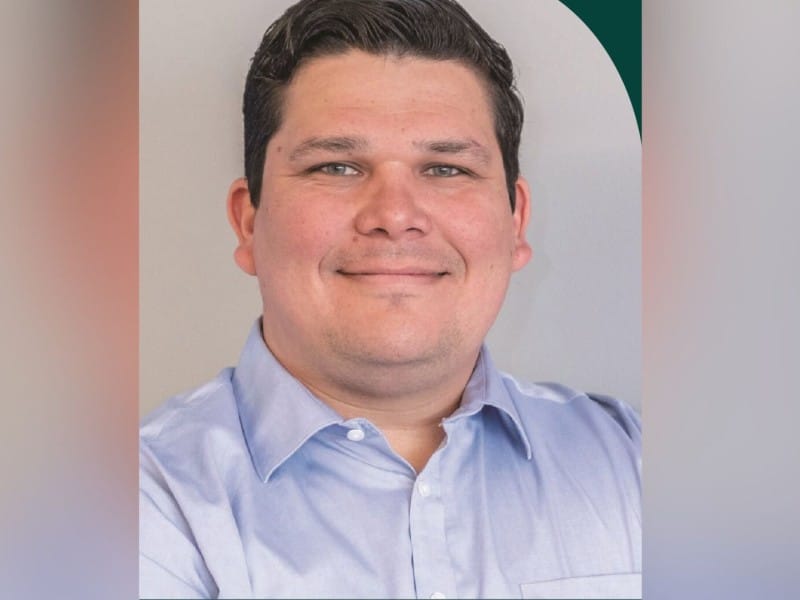
Nan Wúújǫ Anawúúdle Restoration Society names new chief operating officer
Cameron Eggie was named COO of the The Nan Wúújǫ Anawúúdle Restoration Society (NWARS), formerly known as the Blueberry River Restoration Society.
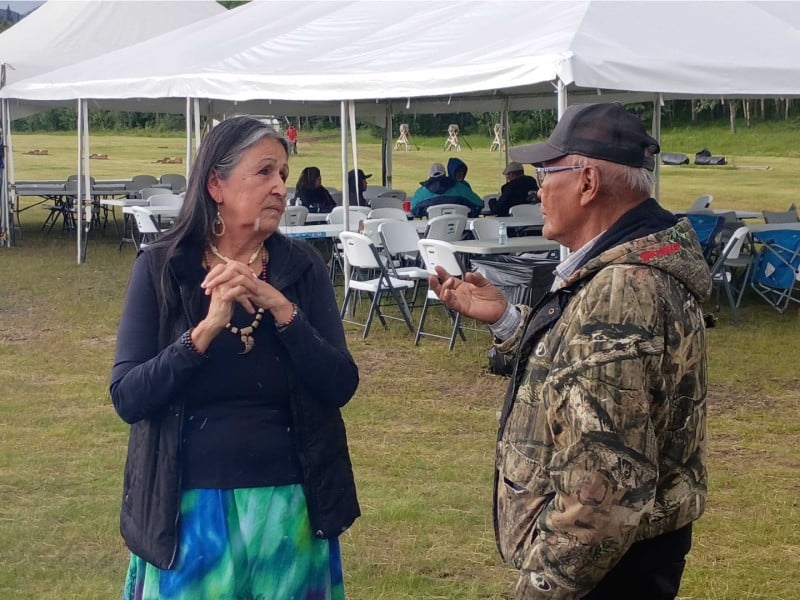
Prophet River hosts third Gathering of Drummers at Sikanni River Ranch
The Gathering of Drummers is an annual opportunity to ‘share in culture, knowledge and song,’ said organizer.
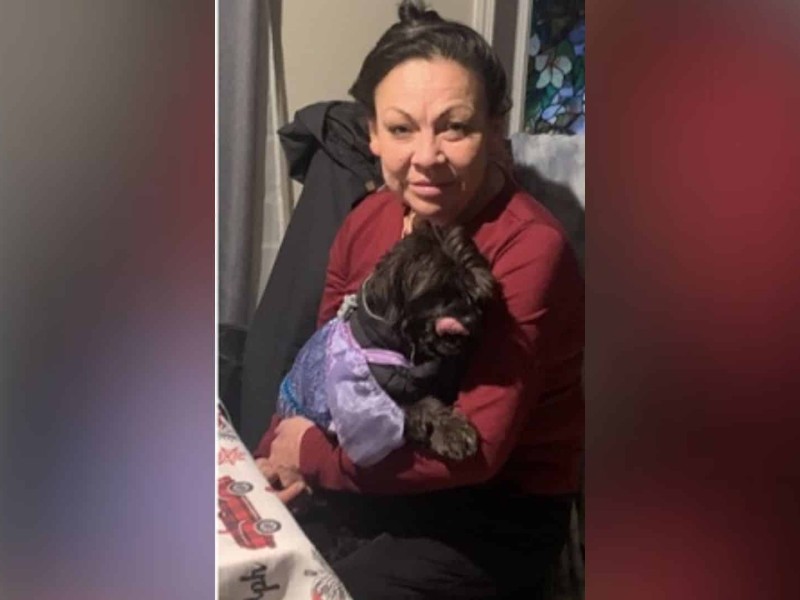
Northern Rockies RCMP renew information calls regarding woman missing since 2024
Karen Tessier was last seen in Fort Nelson in early July 2024, with her story being featured in the “True North, True Crime” podcast on a recent episode.