
Chetwynd woman calls for further intervention into district’s stray cat problem
Chetwynd resident Kayla Edwards said the feral cat population in the area has gone overlooked for years, and called on council to address the issue.
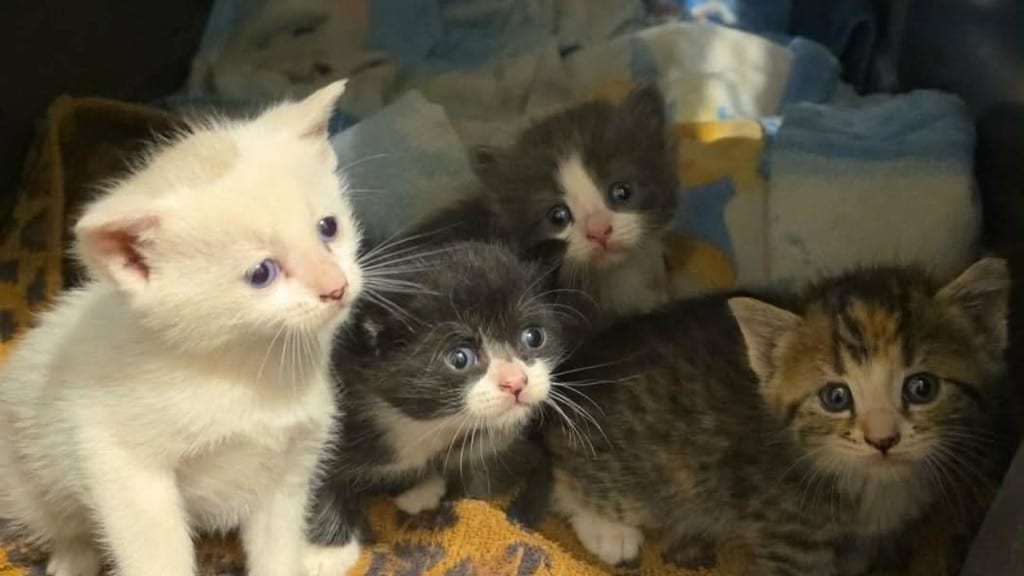
CHETWYND, B.C. — A Chetwynd woman is seeking further intervention from the district regarding a problem she says has gone cat-crazy.
Kayla Edwards, a resident in Chetwynd, presented to district council on Monday, July 6, urging councillors to address what she described as an overwhelming population of stray cats in the area.
Speaking with Energeticcity.ca, Edwards said the problem with stray cats has gone on “for a number of years,” with “nothing being done about it.”
Local News You Can Trust
Label us as a Preferred Source to see our stories more often
Edwards spoke of one case in a residence in Chetwynd, where her niece found a group of newborn kittens, and four kittens were taken by local animal rescue organizations.
“She called me one day, and said, ‘I found all these kittens’,” said Edwards. “I went over there, and this was the first time I’ve actually had a good look at this property.”
“It was bad. I called in the local animal rescue, and they came the next day. We got the kittens out of there, but there were 30-plus cats on this one property.”
Edwards said a conversation with the man living at the premises was nonchalant and disengaging.
Latest Stories
“I did speak to him,” said Edwards. He just said he lets them do their own thing and that they are self-reliant. People from the community have been going to this home for years and feeding the cats, because they drive by it, and you see all these cats, and you feel bad.”
In Canada, the population of feral cats is large. Data from Statistics Canada suggests that stray cats are around a quarter of the total feline population in Canada.
Further reading says feral cats kill 350 million — or two to seven per cent — of the wild bird population annually.
Edwards presented her case on July 6, accompanied by letters of support from On Our Way Home Animal Rescue , which paint a fuller picture.
According to one letter, 36 per cent — or 53 of approximately 147 feline rescues in 2025 – came from Chetwynd.
In 2026, that number has risen to 54 per cent, or 34 of 63 intakes. In a statement, On Our Way Home Animal Rescue estimates veterinary costs exceeded $11,000 in 2026, saying the society is “pleased to see community members addressing the issue.”
“At the end of the day, every intake requires funding, veterinary care, foster space, and volunteer time,” reads the letter. “Without increased community support, our ability to continue responding to the growing need in Chetwynd becomes increasingly challenging.”
The society did suggest a Trap-Neuter/Spay-Release program, where cats are caught, spayed or neutered, and released back into their environments to curb overpopulation.
In her presentation, Edwards called for five steps the district could take in curbing an overwhelming population.
They include: designate district staff to investigate the issue; meet with local organizations, such as On Our Way Home and the North Peace Forgotten Felines Society, local residents, and staff to coordinate a plan; explore or partner in a Trap-Neuter/Spay-Release program; explore grants, partnerships, and budget allocations that could help local rescue organizations address this issue; and review existing bylaws to determine whether changes or additional enforcement are needed.
Chetwynd’s chief administrative officer, Steve McLain, spoke with Energeticcity.ca about the presentation, with McLain saying the district is “looking at various options.”
“We’re reviewing our bylaws to see if there are some amendments that would be appropriate,” McLain said. “We are reaching out again to individuals and organizations that might be interested in helping us, so we can work together to make it better.”
“This is a hot topic of conversation because while they’re an issue for some. We have people who feed cats to try to keep them healthy. Sometimes this might encourage colonies to form, and the problems actually worsen in some ways.”
McLain said a bylaw outlawing stray cats “would be difficult to enforce,” and the district has worked with the SPCA in Trap-Neuter/Spay-Release programs in the past.
Stay connected with local news
Make us your
home page
Authors

Related Articles
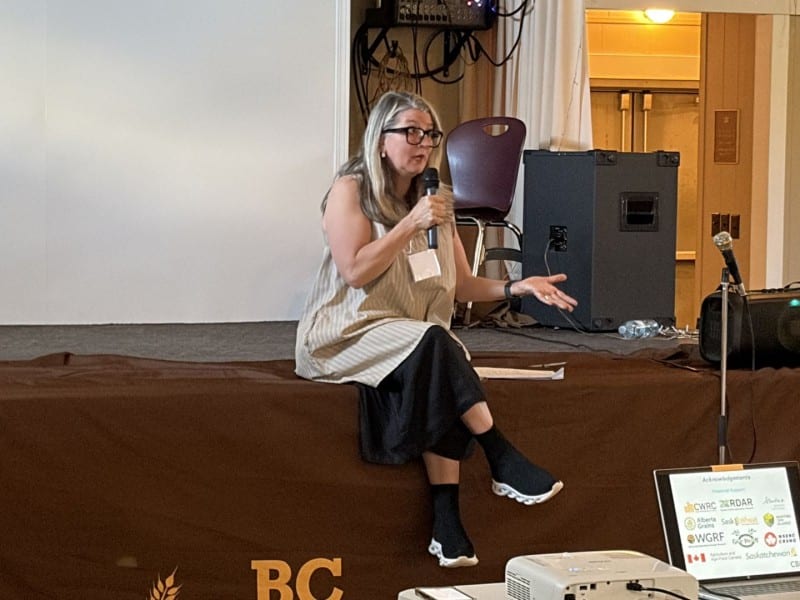
Looking at the future, the BC Grain Producers hold annual meeting in Cecil Lake
The BC Grain Producers Association’s Annual General Meeting was held in Cecil Lake on Thursday, June 9, with the provincial minister of agriculture and food as a keynote speaker.

Amber Alert issued in NWT and Yukon for missing boy
Lanakai Morrison was abducted on July 7, with reports he was seen in Fort St. John on Wednesday, July 8.

BC Hydro outage planned for Tumbler Ridge
Tumbler Ridge residents are advised of a planned power outage on July 17.