
Hydrologist reports fastest B.C. snow melt on average in 40 years
The province is on average trending towards it’s fastest melt since May 1st in over 40 years, according to a Hydrologist.
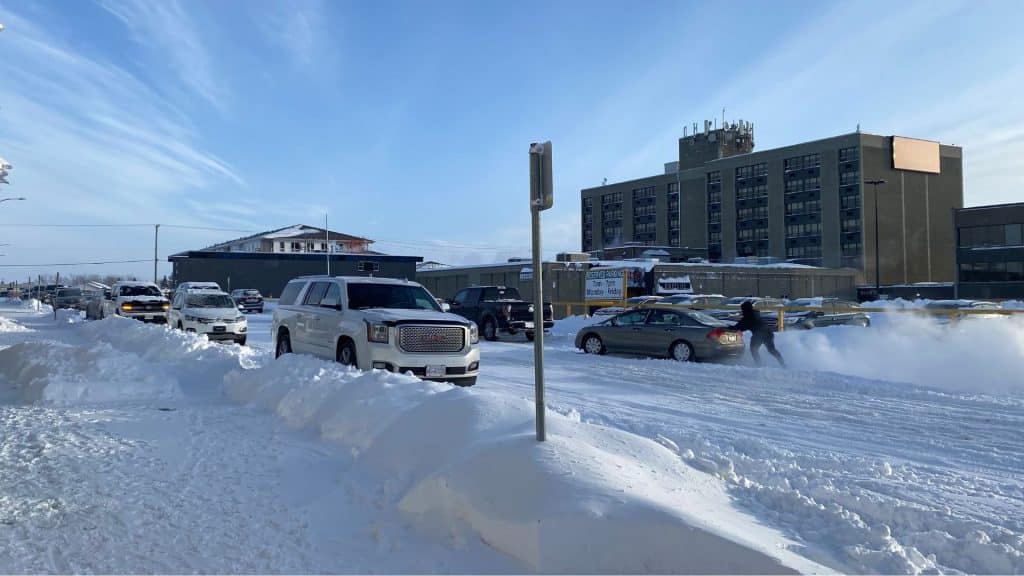
FORT ST. JOHN, B.C. — The May 1st Snow Survey and Water Supply Bulletin has reported above normal levels of snowpack for the peace region.
Jonathan Boyd, a Hydrologist with the River Forecast Center, explained the purpose of the Snow Survey and Water Supply Bulletin.
“The measurement of snowpacks goes back to about the 1930’s or so, a little bit more for the South Coast and Okanagan Basin,” he said. “Primarily, it was focused on water supply, specifically for the summertime periods.
According to Boyd, since May 1st, the province has been trending towards its fastest melt at the start of the month in the last 40 years.
“Just averaging out the whole province for trending to be one of the fastest melts that’s occurred so far to start May that we’ve had in the last 40 years,” he said. “Just because of how warm it’s been and how sustained it’s been with higher temperatures.”
According to the May 1st bulletin, the peace region recorded 128 per cent of its normal snow basin. Boyd spoke about what this means for the region.
“It’s always [a] catch-22 on what is good and what is bad, it just depends,” he said. “From a flood perspective, the higher the snowpack, the worse the situation, but from a drought perspective, the higher the snowpack, the better the situation.”
Latest Stories
Snow basins are broader regions within the province representing large river systems, for example, the Peace River, said Boyd. He added snow basins are essentially a way of summarizing the snow conditions in a broader region.
Boyd also said the region has seen below normal levels in the Snow Basin Index recently, with 75 per cent of normal being recorded in 2024 and 79 per cent of normal in 2025.
“The peace region has been dealing with a general lack of precipitation, particularly in the spring and summer months, over the past few years,” he said. “We have trended towards more of a drought situation for northeast B.C. in general. Anytime we have more snowpack when we have been experiencing drought conditions recently, that’s generally going to be considered more of a positive situation.”
According to Boyd, the Snow Basin Index (SBI) represents a percentage value of the current amount of water a regions snowpack has stored, in comparison to the long-term, normal or average amount of water for a specific time of year.
The peace region has seen a decrease of 8 per cent in its snow basin indices from May 1st 2026, compared to April 1st, 2026.
Boyd explained April is a “transition month” when we usually see the peak snowfall across the province.
“Sometimes we get a cold and wet April, and we continue accumulating right to the end of the month, and sometimes it’s dry and warmer than normal.”
The survey shows the Peace region has seen a 49 per cent increase in its snow basin when comparing May 1st, 2026, to May 1st, 2025.
In May 2025, the region saw 79 per cent of normal, a 49 per cent change from the 128 per cent recorded as of May 1st, 2026.
Boyd said regions above 115 per cent are more susceptible to flooding risks related to snowmelt. He also added in areas of the northeast, flood risk could be due to heavy spring rain on top of snowmelt.
The next snow bulletin release is scheduled for between May 20th and May 25th, 2026.
Stay connected with local news
Make us your
home page
Authors

Related Articles
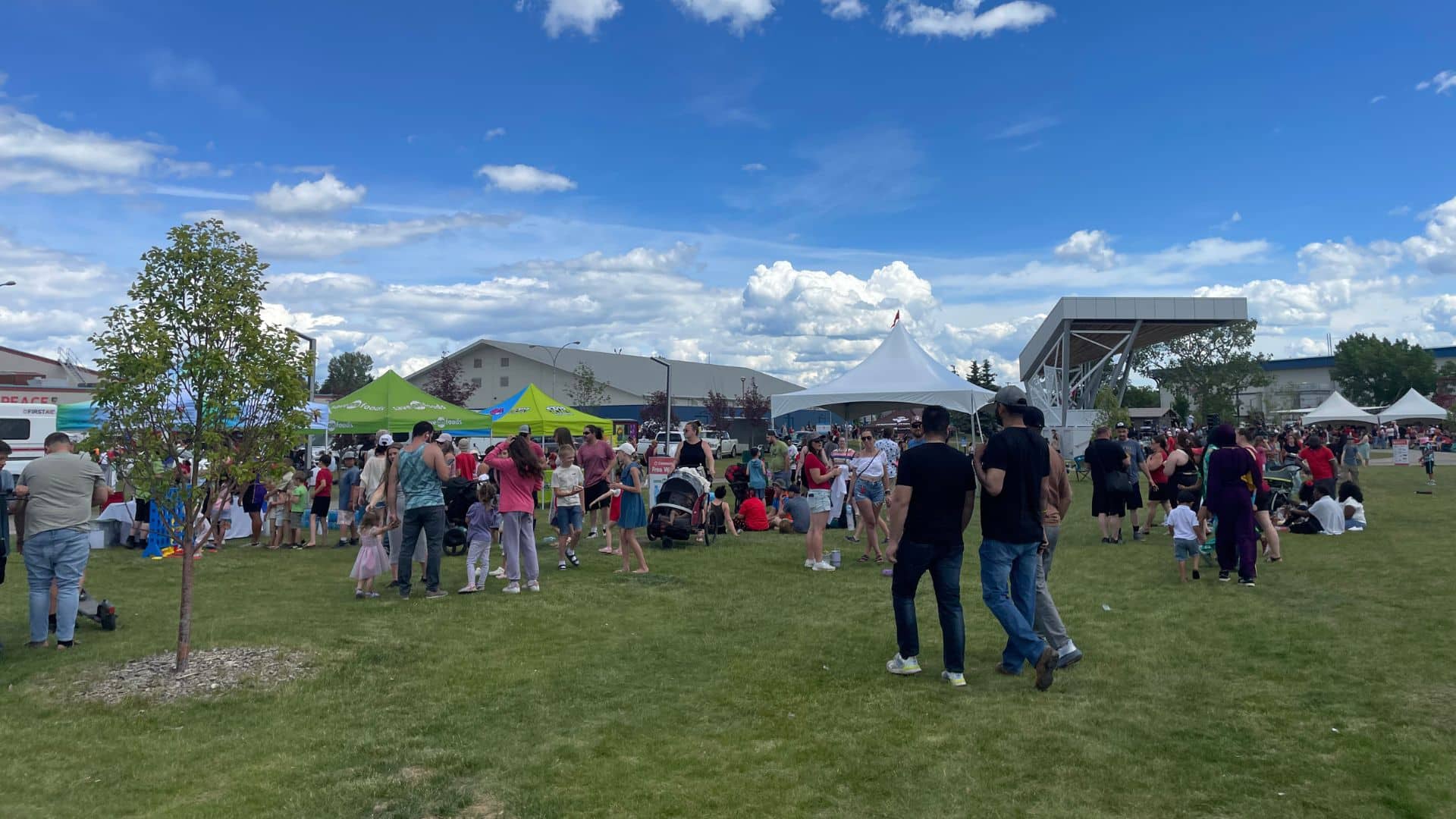
Fort St. John leads the way in Canada Day celebrations in the Peace Region
Communities across the Peace Region will hit the streets on July 1st for Canada Day.
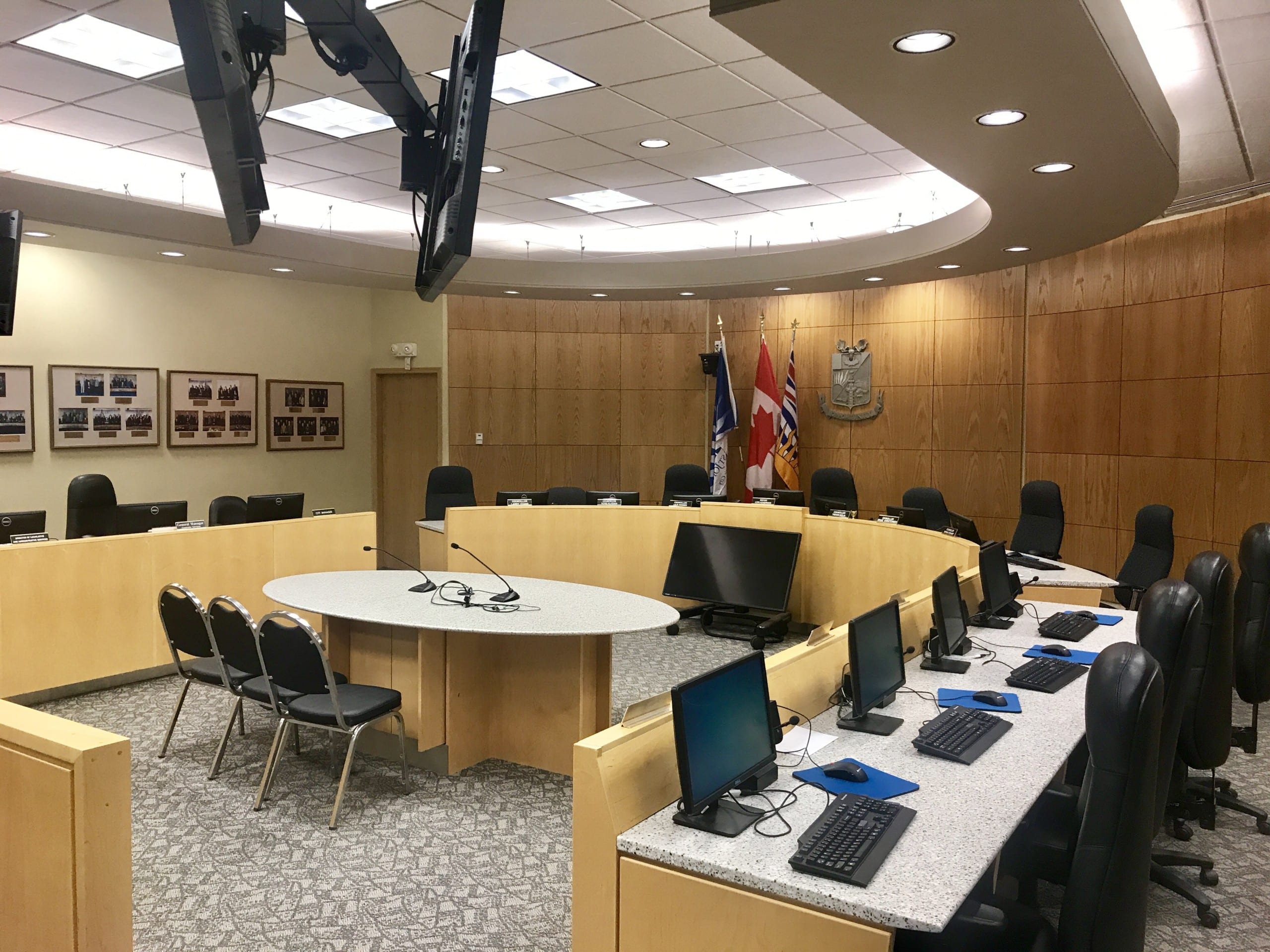
FSJ to work with neighbouring governments to expand emergency aid agreement
The City of Fort St. John is working with its neighbours to work on a new mutual aid agreement to provide support when a major emergency event occurs.
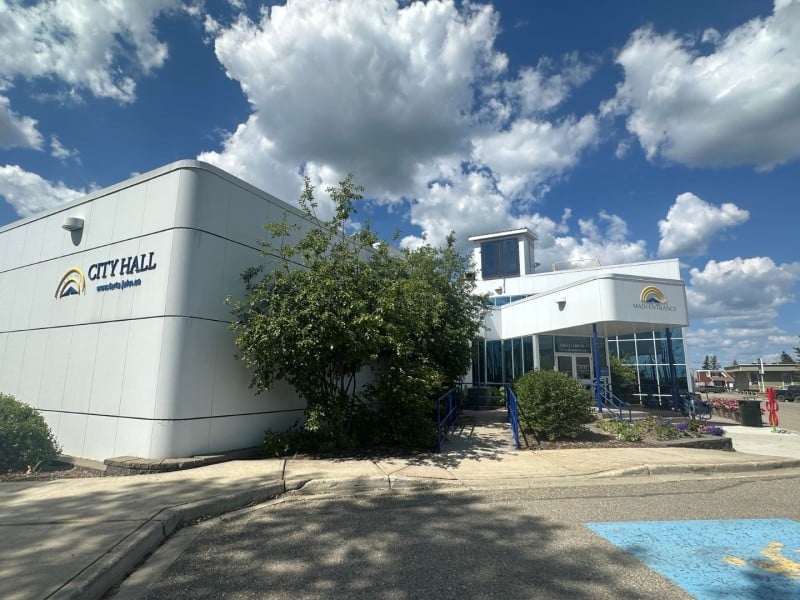
Communities in the Peace Region are asking residents to pay property taxes to avoid penalties
The City of Fort St. John is reminding people to pay the taxes by the July 2nd deadline to avoid penalties.