
(Opinion) ‘Local farms, ranchers and producers are key to long-term economic strength’
Michelle Schaeffer, who owns Whiskey Creek Ranch in Rose Prairie with her family, writes on the importance of local farms and producers. She is the food hub coordinator for the Peace Region Farmers Institute and serves on the board of directors for the Fort St. John Farmers Market Association and Small-Scale Meat Producers Association.
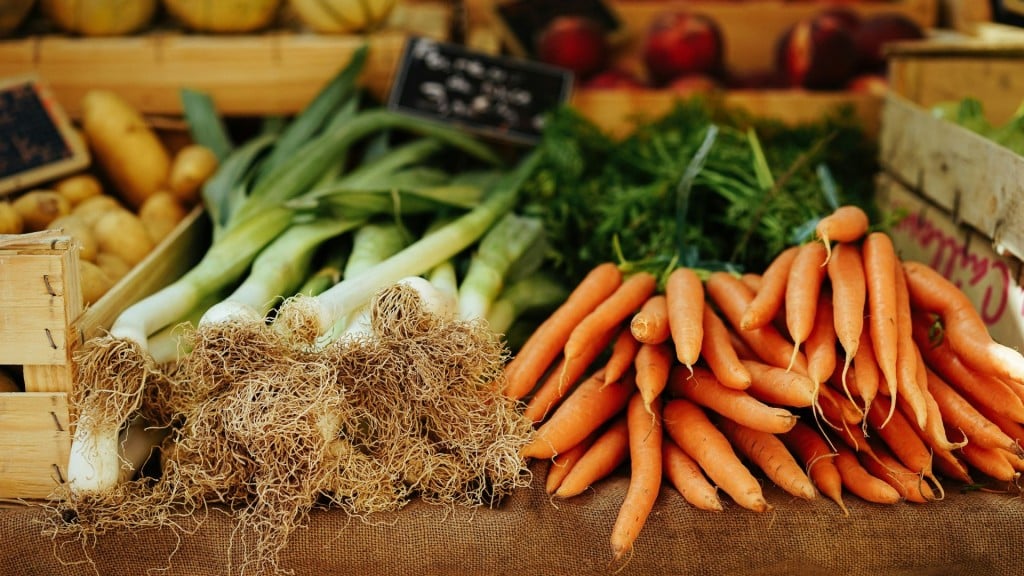
ROSE PRAIRIE, B.C. — “Eat local.” “No farmers, no food.” “Support your local farmer.”
We’ve all seen these phrases so often they risk being dismissed as marketing clichés, but they’re not.
They point to something far more practical: a way to push back against rising food costs and record fuel prices affecting every household.
Looking for something to do?
Check out our new Events Calendar!
Where—and who—we spend our money with, matters.
In 2023, the Canadian Federation of Independent Business reported that 66 cents of every dollar spent at a small business stays in the local economy, compared to just 11 cents spent at a multinational retailer.
On our own farm, that number is even higher, with over 85 cents of every dollar remaining within the Peace.
That difference isn’t abstract. It shows up in real ways: supporting food-producing families, farmers and ranchers, and sustaining the diverse industries that make up the Peace region.
Latest Stories
Buying local doesn’t just purchase a product; its ripple effect strengthens an entire local economy.
The long-term viability of these farms and ranches are closely tied to the success of many other local businesses that depend on them, from veterinarians to farm supply stores to local meat processing to independent cut/wrap businesses.
The immediate pushback is predictable: buying direct from a farmer is more expensive than shopping at a grocery store.
Sometimes that’s true, but more often, it’s a misconception applied too broadly to farms, ranchers and food producers who rely on direct sales as their primary business model.
It overlooks both the value and the growing accessibility of local food. These are not hobby farms selling surplus zucchini, eggs or the occasional cull animal; these are bona fide, family-run businesses producing high-quality food for their communities.
That food is often fresher, and therefore more nutritious, because it spends less time in transit and on store shelves.
There are more ways than ever to buy direct from farmers, ranchers and food producers in the Peace region without sacrificing your convenience or budget.
Aggregated sales through not-for-profit organizations like the Peace Region Farmers Institute, community bulk-purchase programs, independent grocers that support local farms, subscription boxes, community-supported agriculture (CSA) programs and farmers’ markets are making local food more accessible year-round.
Yes – even when winter seems to drag on forever – local food is still available in spades.
Farmers, ranchers and local food producers are not just part of our food system. They are central to the long-term economic strength of your pocketbook and our region.
— Michelle Schaeffer
Stay connected with local news
Make us your
home page
Letters to the Editor
Letters to the Editor should be exclusive to Energeticcity.ca. Include your name, address and daytime phone number. Keep letters to 500 words or fewer. Letters may be edited for length and clarity. To submit a letter by e-mail to contact@energeticcity.ca.
Related Articles
(Opinion) ‘Shovels to expand care home must hit ground this year’
A woman who lives in assisted living in Fort St. John, Mary Lou Beattie, has urged people to contact Josie Osborne, B.C. health minister, about delays to the expansion of the Peace Villa care home.

(Opinion) ‘Mr. Thorlakson doesn’t know what he is talking about on new pool project’
Solicitor and barrister Tyler Holte writes in response to a piece by Steve Thorlakson respecting plans for a new pool in Fort St. John.
(Opinion) ‘If Fort St. John has wisdom, it will go back to table on new pool’
Former Fort St. John mayor Steve Thorlakson writes on his reaction to the budget proposals for the North Peace Leisure Pool replacement.