
‘Really concerned’: Northeast B.C. farmers talk snowmelt, drought, gas prices and fertilizer shortages
Farmers in northeast B.C. are considering rising gas prices and continued drought conditions as spring nears in 2026.
FORT ST. JOHN, B.C. — Rising gas prices, persistent drought conditions and potential fertilizer shortages are some of the top concerns for farmers in northern B.C.
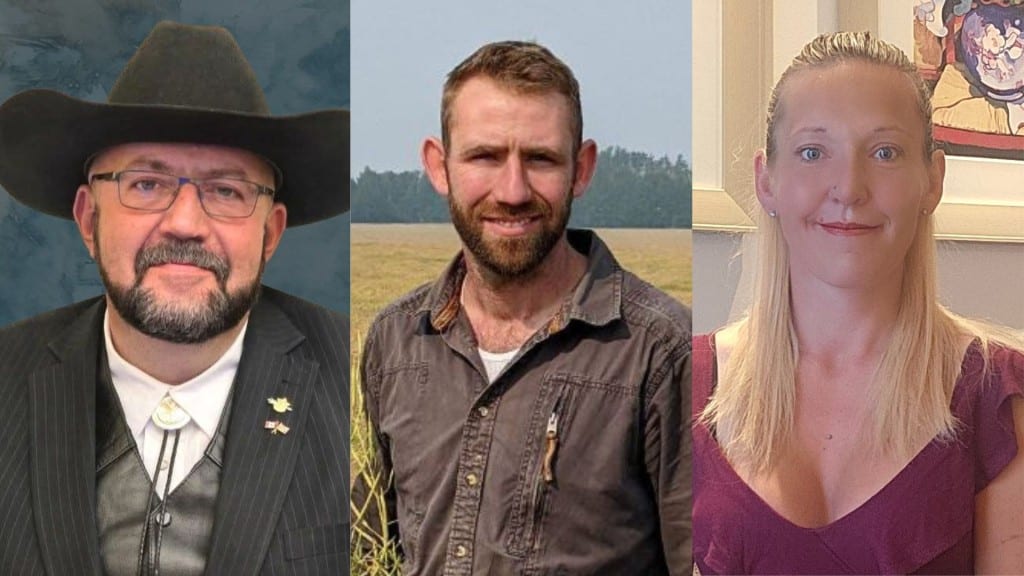
That’s according to Talon Gauthier, director of the B.C. Cattlemen’s Association; Jordan Kealy, MLA and co-owner of Kealy Farms; and Malcolm Odermatt, president of the BC Grain Producers Association, who all spoke to Energeticcity.ca about the outlook for farmers as the region heads into the growing season.
Odermatt says current global affairs could negatively impact farmers going forward.
Local News Straight
to Your Phone
Download our app today!
Available on Android and iOS devices
“Because of the war happening in Iran and even the war in Ukraine, fertilizer prices are absolutely ridiculous right now, and availability could be a concern,” Odermatt said.
Rising gas prices in the province are also one of the biggest issues for farmers. For Odermatt, there seems to be no solution in sight.
“For diesel, we are going to be at the mercy of what the price is at the current time.”
When it comes to dealing with dry conditions, Odermatt says farmers in the Peace region are mainly reliant on snow and rain for moisture.
Latest Stories
Northern B.C. has continued to see prolonged drought conditions over the past few years, although precipitation has improved in 2026.
According to Agriculture and Agri-foods Canada’s drought map, Fort St. John is considered abnormally dry as of February 28th, 2026.
According to Odermatt, depending on the upcoming spring thaw and how much moisture farmers can extract from the existing snow, it will determine whether or not they have to go into the soil to extract more moisture.
Odermatt says that a big concern for farmers is making sure they have enough time to plant and harvest crops.
“We have a very short growing season in the Peace country,” Odermatt said. “We have to get that crop in the first couple weeks of May, because usually on October 31st, it’s snowing.”
According to Odermatt, dry conditions are nothing new for farmers in the Peace country.
“Historically the Peace country, we are usually too dry rather than too wet.”
Grain farmers aren’t the only ones affected by dry conditions.
Gauthier, a cattle farmer located in Dawson Creek, has had to previously deal with water shortages.
“We were really concerned we weren’t going to have enough water to keep them [her cattle] all winter,” Gauthier said.
Kealy, who also represents the Peace River North riding as an MLA in the legislature, says drought conditions have forced him to adapt.
“On my own farm, I had to downsize drastically because of the drought.”
Kealy says the region has suffered severe droughts in the last few years due to wildfires.
Odermatt says recent snowfall is a good sign for farmers, especially if it means they will see a few more showers in the coming months.
Gauthier hopes that when the snow melts, it will allow her to capture more water for the upcoming season.
Stay connected with local news
Make us your
home page
Authors

Related Articles

Thieves reportedly steal cash, ATM machine at Charlie Lake golf club
The break-in allegedly happened on Saturday, March 14th at Charlie Lake’s Lake Point Golf and Country Club.

Fort St. John Co-op seeks nominations for roles on board of directors
The Fort St. John Co-op is looking for nominations to fill board director positions, with the deadline for nominations on April 12th.
Wildfire training sessions to help northeast B.C. avoid ‘dangerous positions’
North America Fire Rescue is set to host wildfire training sessions in Chetwynd and Fort St. John this spring.