
‘Significant effort’ made to address concerns about Rolla waste facility, energy minister says
Residents nearby the Secure Waste Infrastructure Corp waste disposal facility in Rolla say foul chemical odours have plagued their homes for more than a decade. Officials cite inspections and compliance, but neighbours still don’t know what they’re breathing — and answers have been hard to come by.
ROLLA, B.C. — Residents of Rolla want to know what is causing the strong chemical odours that have been giving them headaches, literally and figuratively, for more than 10 years.
Brenda Delamont, Dave Armstrong and some of their neighbours have been contacting the BC Energy Regulator and the B.C. government about a nearby waste disposal facility, which serves the oil and gas industry, since around 2013.
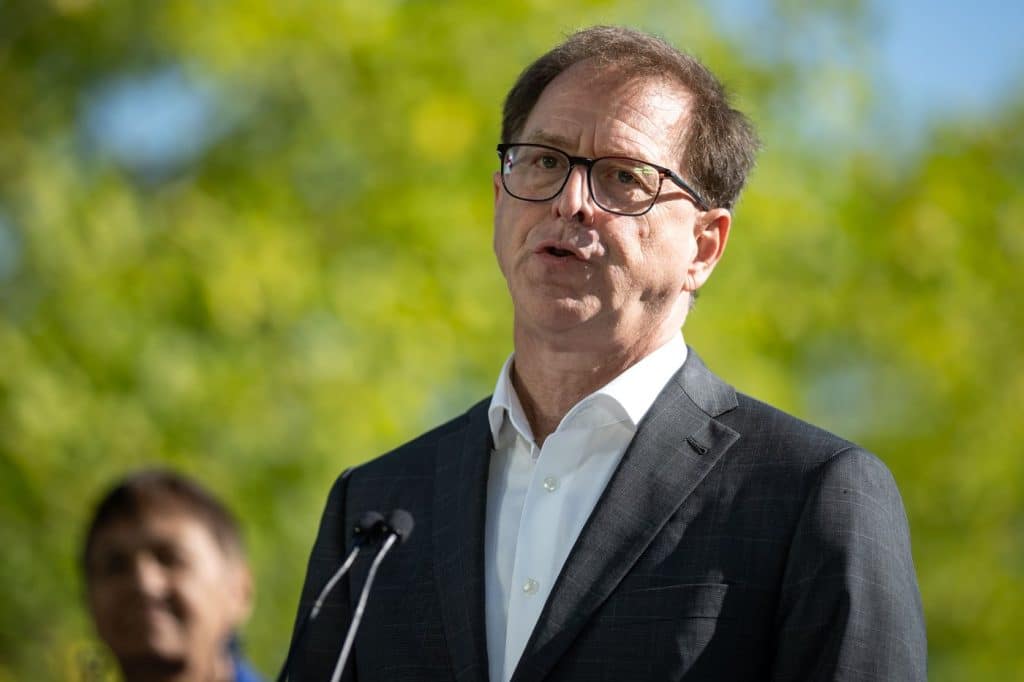
But repeated requests from the residents and The Narwhal to both the regulator and relevant provincial ministries have yet to yield answers. On March 16th, Adrian Dix, energy and climate solutions minister, told The Narwhal air quality monitoring done by the company provides “a high degree of confidence that no adverse health effects are expected for workers or nearby residents.”
Local News Straight
to Your Phone
Download our app today!
Available on Android and iOS devices
That does little to assuage residents’ concerns.
“We still don’t know what it’s from,” Delamont said of the smells that waft onto their properties, which are about a kilometre away from the waste disposal facility operated by Calgary-based Secure Waste Infrastructure Corp.
“We’ve never gotten an answer as to why you smell the smells, what the smells are from and how toxic or noxious they are over the long term or short term.”
Across B.C., there are 63 waste disposal facilities like the one in Rolla, nearly 15 per cent of which are operated by Secure.
Latest Stories
Dozens more facilities across the province store related hazardous waste from oil and gas operations.
The Rolla facility is licensed by B.C.’s Ministry of Environment and Parks and the BC Energy Regulator to handle a variety of hazardous waste products, including hydrogen sulfide, a flammable and highly toxic gas.
Some of the waste is treated on site, then injected into underground wells. Other materials are sent to different facilities for disposal.
Before construction began, Armstrong recalls meeting with Secure representatives who told him smells wouldn’t be a problem. They said the facility would include a “state-of-the-art vapour collection and recovery system to ensure no fugitive emissions and prevent odours.”
But in the years since then, Armstrong estimates he has called the BC Energy Regulator hundreds of times to report noxious chemical smells that permeate his home, sometimes causing headaches.
Delamont has also made many calls to the regulator about odours at her home, which lies just down the road from Armstrong’s. Both residents say little has been done to address their concerns.
“I get the impression of feeble attempts,” Armstrong said of the regulator’s limited response to their concerns.
No fines
The Narwhal sent detailed questions about Delamont and Armstrong’s concerns to Secure via the company’s online contact form and by email.
In an emailed response, Secure said it “takes community concerns seriously and works closely” with provincial regulators. The company’s response did not answer any of the specific questions sent by The Narwhal.
“When concerns are raised, we investigate them and continue working with regulators and nearby residents to address them,” the company said.
The BC Energy Regulator inspected Secure’s facility 33 times in 2025, according to the company, and found no compliance issues.
Meanwhile, a Ministry of Environment inspection conducted in December 2024 found several issues with Secure’s operations, including that the facility accepted thousands more litres of toxic waste than its permit allowed.
A warning letter issued after the inspection also noted Secure had removed some of the equipment used to treat waste and installed new equipment not covered by its permit.
No fines were issued to Secure as a result of the inspection. When The Narwhal asked the environment ministry whether Secure had addressed the compliance and permit issues identified 15 months prior, the ministry’s emailed response did not directly answer the question.
“Secure was instructed to verify their permit aligns with Hazardous Waste Regulation emission specifications,” the environment ministry said in a statement to The Narwhal. Because of last year’s findings, the facility “will be prioritized for reinspection in the next fiscal year,” the ministry said in its email.
Delamont is frustrated but not surprised by the lack of resolution a year after the warning letter was issued.
“It’s hard because nothing ever really seems to come of things,” she said. “If you’re dealing with a site with infractions already, you would think that within a year you could check up on the things that you found them non-compliant on.”
Delamont works as a chef in a seniors care facility. In her line of work, she says, facilities that don’t comply with regulations can quickly be shut down.
‘A very significant effort’: Energy minister
Ahead of the publication of a previous story on the Rolla facility on March 11th, The Narwhal requested comment from Dix and Environment Minister Tamara Davidson, whose ministries are responsible for permitting the facility.
After delays and much back and forth, staff from Davidson’s ministry did not agree to an interview.
Dix’s office offered a phone interview on March 16th. During that conversation, Dix said the BC Energy Regulator has conducted three inspections of Secure’s Rolla facility so far this year, on top of 36 in 2025 and 49 in 2024.
“The BC Energy Regulator has not only been, but will continue to be, responsive to the concerns,” he said, describing the regulator’s response to date as “comprehensive.”
“That doesn’t mean that every time a person makes a complaint, they get satisfaction from their perspective, but certainly, a very significant effort has been made.”
Dix did not directly answer when asked whether the BC Energy Regulator can inform residents about the causes of the odours they have been reporting for years.
He did mention air quality testing done by Secure at the facility that found all “chemicals of interest” — including volatile organic compounds, benzene and hydrogen sulfide — were only present at low levels and within regulatory guidelines.
“These findings provide a high degree of confidence that no adverse health effects are expected for workers or nearby residents under the conditions observed during the monitoring period,” Dix said.
Secure emailed copies of an undated air quality monitoring report to Armstrong and Delamont on March 16th.
The findings in the report reflect Dix’s comments: none of the chemicals tested for were found at levels beyond regulatory and health guidelines.
The air quality monitoring was done over the course of a week, according to the report, but the lack of detail left Armstrong wondering about the level of activity taking place at the facility during the monitoring period.
“There’s so many variables that that whole report is just hokey to me,” Armstrong said. “It’s not all the time, but when we get the odours in their yard, they are strong.”
Armstrong expressed disappointment at the lack of answers about what is causing the troubling smells.
“I’m just hoping we can win something out of this,” he said. “It’s been 15 years of no results.”
Stay connected with local news
Make us your
home page
Related Articles
Gas prices set to decrease for FortisBC customers
Gas prices for FortisBC customers are set to decrease starting April 1st, 2026.
Key liquefaction module delivered to LNG facility in Squamish
The latest key module has been delivered to the site of a Woodfibre LNG facility in Squamish, British Columbia.
Canadian energy companies hail merger as opportunity to ‘enhance delivery of safe, reliable, efficient services’
Canadian energy companies – Step and Sanjel Energy Services- have merged in hopes of providing more streamlined service to western Canada.