
Taylor seeks public feedback on proposed five-year budgets
The District of Taylor has presented its five-year budget from 2026 and is seeking feedback from residents before passing it into law at a future council meeting.
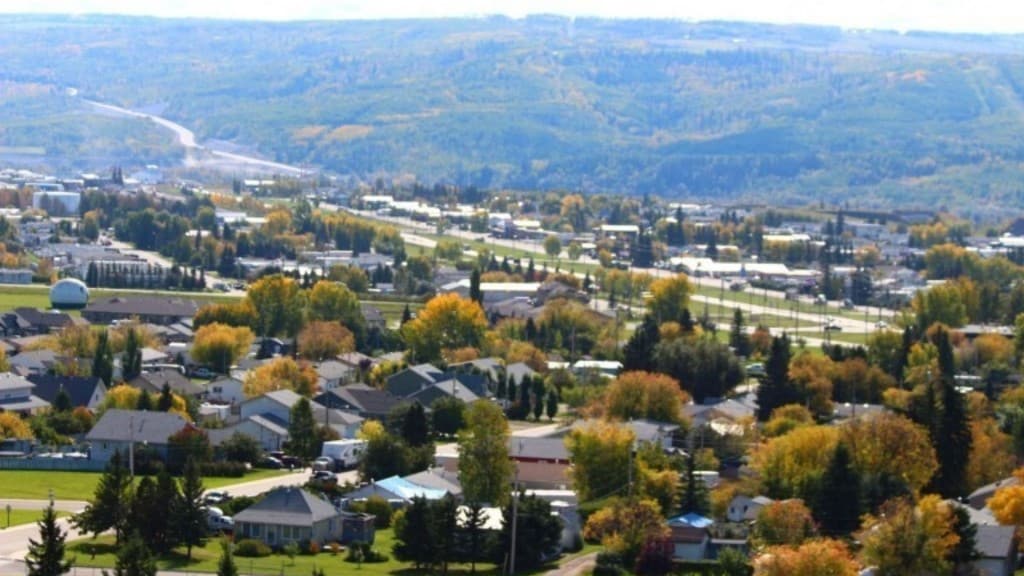
FORT ST. JOHN, B.C. — The District of Taylor is gathering public opinion on its upcoming five-year budgets, which prioritizes a new road, wastewater treatment and saving for future projects.
During a public budget consultation meeting on March 16th, Lisa Ford, the interim director of corporate services, detailed the District of Taylor’s 2026 – 2030 proposed financial plans.
The district’s 2026 operating budget is $9 million, while the capital budget is approximately $12 million. Ford also explained the district has allocated $1.34 million to be placed into reserves for larger projects in future years.
According to Ford’s budget presentation, the district’s capital budget allocates approximately $1.15 million to improvement projects at the Wastewater Treatment Plant, $8.04 million in the grant-contingent projects at the Lone Wolf Golf Course clubhouse and Peace Island Park pavilion, the Public Works Shop, ParticipAction Trail phase three, a water study and the Industrial Bypass Road.
Other priorities for the district are $1.57 million in water infrastructure projects, $1.59 million in wastewater infrastructure projects and $140,000 in district fleet purchases and replacements.
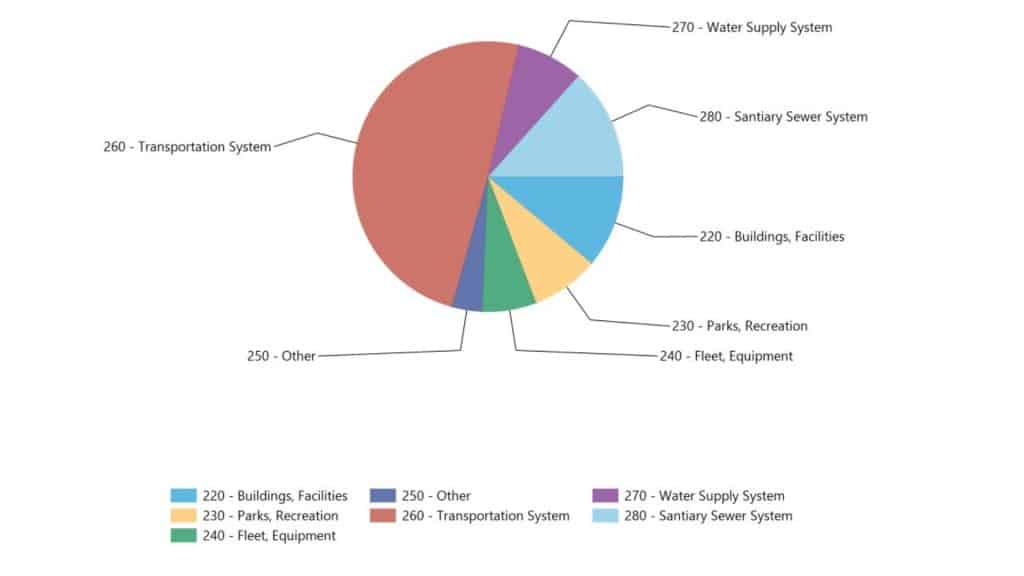
The 2026 budget allocates approximately half to transportation systems, including the Industrial Bypass Road, with the remainder split between the water supply system, sanitary sewer system, buildings and facilities, parks and recreation, and fleet and equipment.
Latest Stories
Ford outlined the district’s estimations of approximately $22.03 million in revenue in 2026 from various sources, with 59 per cent coming from grant funding, including the Peace River Agreement. After Energeticcity.ca sought clarification from the district, the amended numbers break down to:
- Government grants: 53 per cent or $11.78 million
- Property taxes: 21 per cent or $4.56 million
- Operational revenue: 10 per cent or $2.21 million
- Peace River Agreement: Six per cent or $1.31 million
- Municipal reserves: Five per cent or $1.11 million
- Utility revenue: Three per cent or $690,250
- Interest and permit revenue: One per cent or $257,334
- Parcel taxes: One per cent or $116,250
The district’s presentation also included proposed 2026 taxation changes, which estimate a total increase of 10.26 per cent in “actual taxation revenue,” or approximately $423,753, compared to 2025 tax revenue.
The proposed increases are as follows:
- Residential: Zero per cent
- Utilities: Zero per cent
- Recreation: Two per cent
- Major industrial: Four per cent
- Light industrial: Six per cent
- Commercial: Eight per cent
- Farm: 10 per cent
Ford said the district’s overall assessed value increased by 8.02 per cent over 2025, according to BC Assessment’s housing market changes, across all classes.
Ford noted the proposed tax rates were $0.95 below the 2025 regional average in the Peace River Regional District, and it is second lowest out of seven communities based on 2025 tax rates.
One letter was read during the meeting, with no in-person comments received. Residents who wish to express their opinions on the budget can contact the district offices by calling 250-789-3392 or emailing mason@districtoftaylor.com.
Following the public meeting, the district council will continue to refine and deliberate the budgets before bringing them back before council for final approval and voting on the budget bylaw.
Stay connected with local news
Make us your
home page
Authors

Related Articles
100 Mile House seeks backing about increased support, training for nurses
The District of 100 Mile House asked the District of Taylor to back a resolution to support nurses and medical professionals that it is bringing to the North Central Local Government Association’s annual convention.

Mayor offers condolences to family of Charlie Lake victim as college sets up supports
The mayor of Fort St. John, Lilia Hansen, has extended condolences to the family of Gurkirat Manocha, who was killed after an “altercation” in Charlie Lake on March 13th, 2026.
B.C. Conservative leadership candidate visits Fort St. John and Dawson Creek
B.C. Conservative Party leadership hopeful Peter Milobar visited Fort St. John on March 15th on the campaign trail.