
Petition to deny parole for killer of six, including two children, garners 31,520 signatures
David Shearing, or Davis Ennis, was arrested in the 1980s in Tumbler Ridge before he confessed to killing six members of the same family. A petition calling for him to stay behind bars has received 31,520 signatures as of January 16th.
TUMBLER RIDGE, B.C. — An online petition has received 31,520 signatures to deny parole for a man with ties to Tumbler Ridge who killed six people, including two children.
According to an article in the Vancouver Sun, David Shearing was arrested in the 1980s in Tumbler Ridge on other charges and during the interrogation, he confessed to the killings in 1982 at Wells Gray Park in British Columbia.
An article written by CBC said Shearing was convicted of second-degree murder in the shooting of 13-year-old Janet and 11-year-old Karen; their parents Jackie and Bob Johnson; and their grandparents George and Edith Bentley.
Shearing, who has since changed his name to David Ennis, was given a life sentence.
On October 8th last year, Tammy Arishenkoff began an online petition to urge the Parole Board of Canada to deny parole for Ennis for the second time.
As of January 16th, the petition currently had 31,520 signatures.
The petition alleged Ennis was denied parole in 2008 and 2012 due to multiple reasons. It also claimed Ennis opted out of a legislated parole review in 2020, 2014 and 2016.
Latest Stories
In 2021, Areishenkoff launched a first petition to deny him both day and full parole, which received 101,000 signatures.
The new petition says Ennis’ next parole hearing is set to take place in August 2026. Energeticcity.ca reached out to the Correctional Service of Canada (CSC) and the Parole Board of Canada (PBC) but was not able to verify any of the information in the petition, including claims of his previous dealings with the board or any future hearing date.
The 2025 petition said: “It is crucial that we collectively urge the Parole Board of Canada to ensure that Ennis remains behind bars.
“Public safety must remain the foremost concern, the risk associated with granting him parole far outweighs any argument for his potential rehabilitation.”
Anne-Marie Borle, regional manager of community relations and training for the PBC, told Energeticcity.ca that under the law, all offenders under federal custody – including those serving life sentences – are eligible for parole consideration at some point in their sentence.
Eligibility dates are calculated by the CSC, she said.
The CSC confirmed to Energeticcity.ca that it calculated Ennis was eligible for day parole on November 19th, 2005 and full parole on November 19th, 2008.
The CSC said the dates are worked out in accordance with the Corrections and Conditional Release Act (CCRA).
“The dates indicate only when an offender becomes eligible, by law, to apply to the Parole Board of Canada for parole,” it said.
“They are, however, by no means a guarantee of release.”
PBC’s Borle added: “Conditional release decisions are made in accordance with specific criteria set out in the CCRA and follow a thorough and systematic risk assessment.
“Board members are required under the law to make the least restrictive determination consistent with the protection of society in their decision-making.”
The new petition alleged that if day parole is granted, Ennis would be able to live in a halfway house.
The petition also said if full parole is granted, he would be “allowed to live among us in our community and around our children.”
Arishenkoff is urging people to sign the petition and share it to support keeping him behind bars.
Energeticcity.ca reached out to Arishenkoff but did not receive a response before publication.
People interested can sign the petition on this website.
Stay connected with local news
Make us your
home page
Authors

Related Articles

Fort St. John RCMP issues youth social media warning amid mental health and cyberbullying concerns
The Fort St. John RCMP said it has received multiple calls related to youth mental health and cyberbullying concerns.

‘Why are we not at the table?’: PRRD seeks recognition from province
The Peace River Regional District (PRRD) has asked for a meeting with B.C. Premier David Eby and the Ministry of Local Governments and Rural Communities to get recognition as a “key level of government” in northeast B.C.
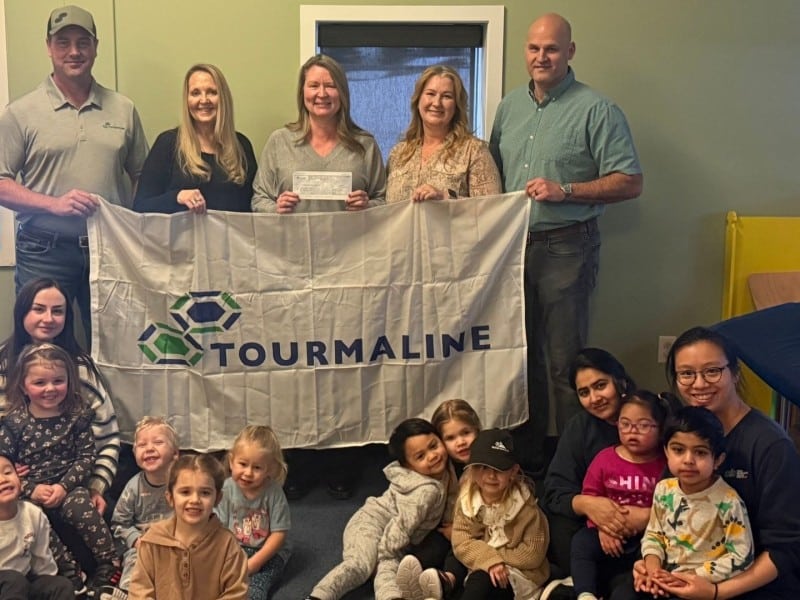
Energy company’s golf tournament raises nearly $68K for three charities
Tourmaline Oil’s annual golf tournament in 2025 raised nearly $68K to be split between the Fort St. John Women’s Resource Society, the Fort St. John Hospital Foundation and the Child Development Centre.