
Indian Residential School Survivors Society event marks Fort St. John office opening
The Indian Residential School Survivors Society (IRSSS) had an open house on October 3rd to celebrate its new offices opening in Fort St. John, with allies, industry leaders and members having lunch and informing the public about the services offered.
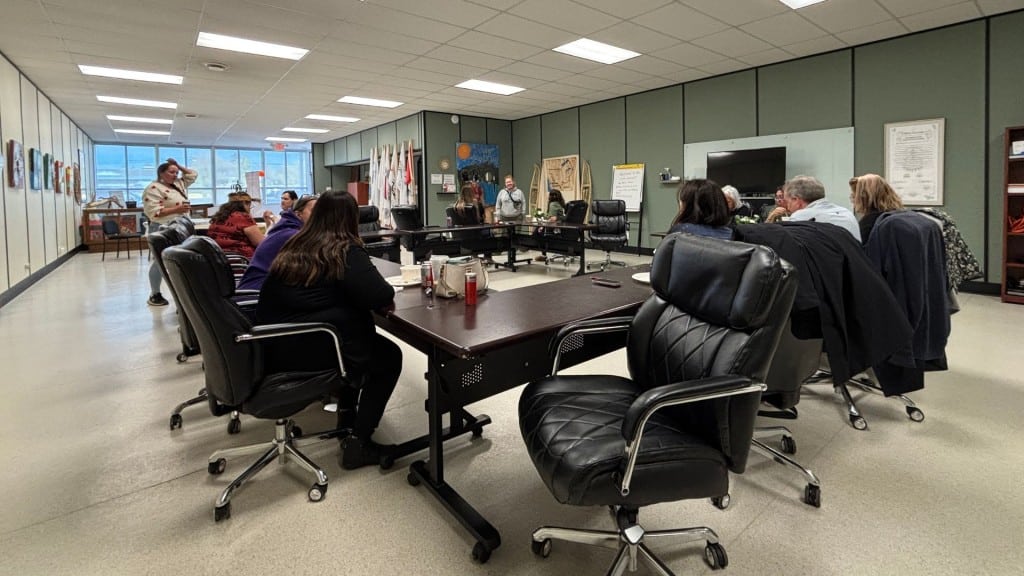
FORT ST. JOHN, B.C. — A province-wide organization committed to assisting Indigenous communities with intergenerational trauma has opened its office doors in Fort St. John.
The Indian Residential School Survivors Society (IRSSS) was founded in 1994, with the focus on providing essential services to generations of First Nation families traumatized by the Canadian residential school system.
Over time, the organization has expanded to offer services across various culturally sensitive topics, including Missing and Murdered Indigenous Women and Girls and Two-Spirit persons (MMIWG2S).
The office, located in the Treaty 8 Tribal Association building at 10233 100th Avenue, had an open house on October 3rd to celebrate its opening, with allies, industry leaders and members of the IRSSS having lunch and informing the public about the services offered.
It was a big moment for Connie Greyeyes, who is IRSSS’ MMIWG2S coordinator for the north. Greyeyes has previously offered counselling and other services in a remote setting, either at home or in other areas.
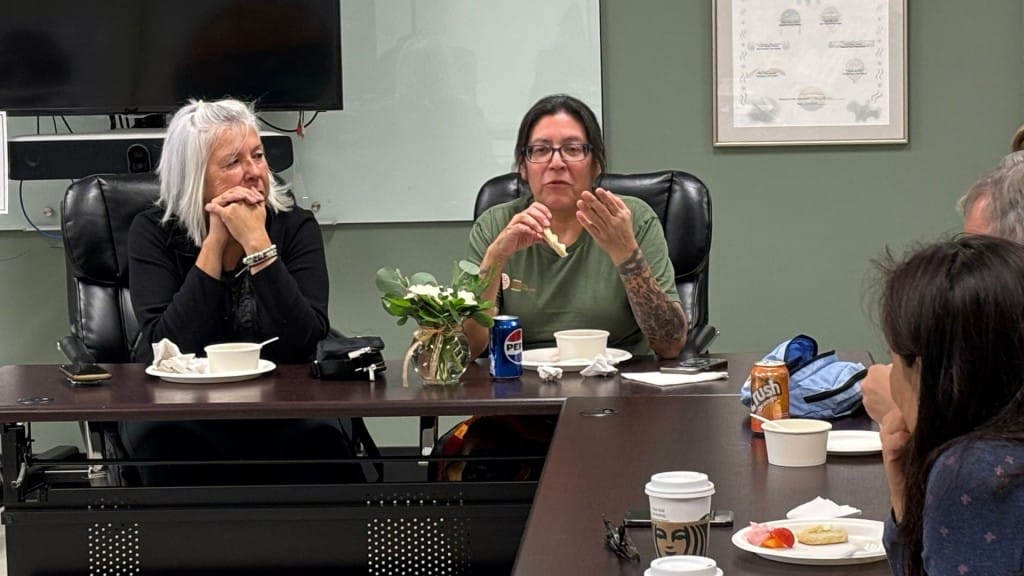
She told Energeticcity.ca that plans for an office had “always been in the back of everybody’s minds” due to the drawbacks of working remotely.
Latest Stories
“You are limited in a way of having community members come in and access services from you,” said Greyeyes. “Having an office now, where we can actually have community members come in and meet us and drop in for any kind of support that they may need, is just the next step.”
Other workers from the IRSSS from around B.C. attended the event, including the association’s executive director, Angela White.
Originally from Vancouver Island, White is a member of the Snuneymuxw First Nation.
She told Energeticcity.ca the IRSSS office in Fort St. John has been established to fill “a gap” in northeast British Columbia, after offices in Terrace and Williams Lake closed.
White will also be speaking at the Massey Lecture taking place in Fort St. John on Saturday, October 4th.
“We really wanted to ensure that our community members had access throughout the province,” said White. “Analyzing where the needs and the gaps are in the province, we closed a few offices so that we could actually create space for new offices.”
White encouraged sufferers of intergenerational trauma who may not have accessed IRSSS services to ask for help.
“The first step is acknowledging that we’re all on our healing journey,” said White. “That journey never ends.
“No one at IRSSS will shame, judge or stop anyone from coming in, because everyone’s healing journey is different.
“We’re not the same. When we do go through things, utilize the crisis lines we have at IRSSS.”
The IRSSS operates a 24-hour crisis line on 1-800-721-0066.
Its Fort St. John offices are located in the Treaty 8 Tribal Association’s offices at 10233 100th Avenue in Fort St. John.
To reach out to the IRSSS online or access its services, visit its website.
Stay connected with local news
Make us your
home page
Authors
Related Articles
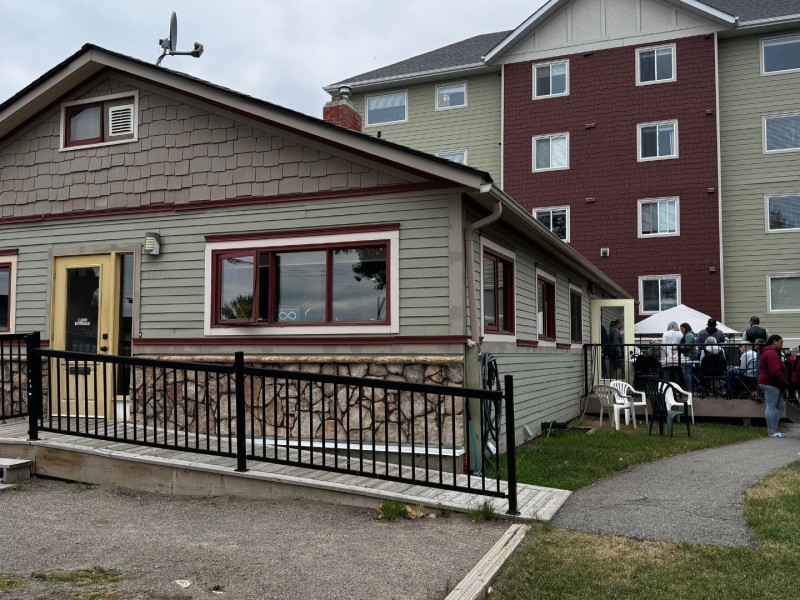
Fort St. John Métis Society to host conservation and outdoor education program
The Conservation and Outdoor Education program is a program offering ethical, safe hunting practices according to the BC Wildlife Federation.
FSJ Métis Society annual general meeting taking place this weekend
Constitution reworks and annual reports are on the agenda, says organization’s director.
(UPDATE)Disappearance of Fort Nelson woman featured on true crime podcast
It has been just under two years of the last time anyone saw Fort Nelson First Nation resident Karen Tessier, whose story is featured on the True North, True Crime podcast