
B.C. approves shorter route for PRGT pipeline despite unresolved concerns
A shorter 172-kilometre eastern route for the Prince Rupert Gas Transmission (PRGT) pipeline has been approved by the B.C. Environmental Assessment Office.
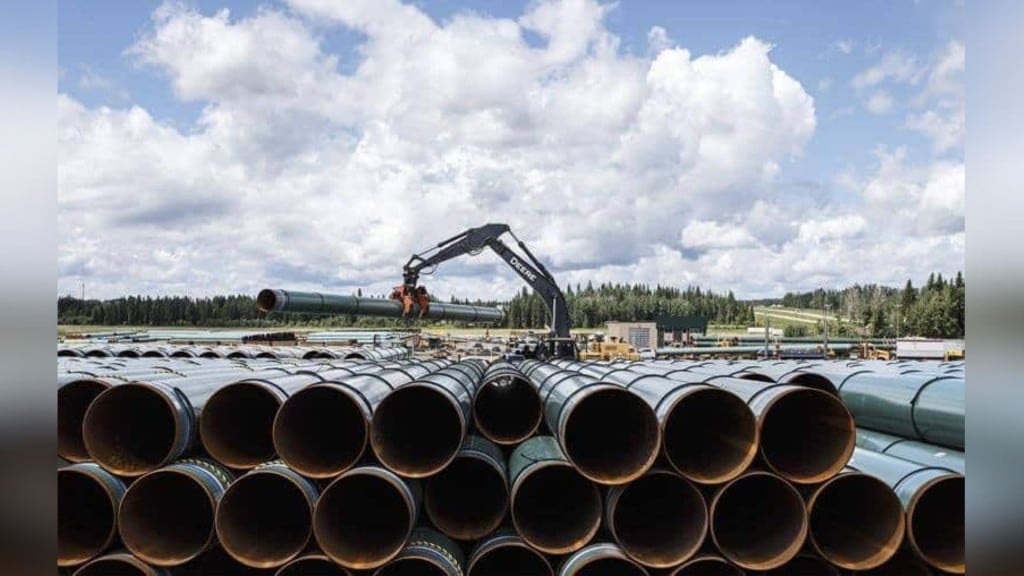
HUDSON’S HOPE, B.C. — A shorter eastern route for the Prince Rupert Gas Transmission (PRGT) pipeline has been approved by the province, though some concerns remain.
The B.C. Environmental Assessment Office (EAO) has approved a shorter 172-kilometre eastern route for the PRGT pipeline, despite ongoing concerns from some Indigenous nations and environmental groups.
The amendment, approved on August 28th, shifts the pipeline’s starting point 37 kilometres west of Chetwynd and follows the Pine River valley to Tudyah Lake, cutting 51 kilometres off the original route.
The project is a pipeline running from Hudson’s Hope to either Lelu Island or the proposed Ksi Lisims LNG facility near Prince Rupert.
It was started by TC Energy in 2014, and in 2024 it was sold to the Nisga’a Nation and Western LNG.
Prior to the August 28th amendment, the EAO consulted with eight First Nations, the public and the technical advisory committee during a nine-month review.
Business in Vancouver (BIV) reported the Saulteau First Nations supported the alternative route, saying it avoids culturally significant areas and reduces impacts on sensitive caribou habitat.
Latest Stories
However, it reportedly remained concerned about treaty rights, cumulative effects and potential impacts on wildlife, water quality and key ecosystems.
Other Nations, including the Nak’azdli Whut’en and West Moberly First Nations, continued to raise concerns over cumulative impacts and a lack of sufficient baseline data.
In his reasons for decision notice, the EAO’s chief executive assessment officer Alex MacLennan said the amendment includes six new conditions in an attempt to address these issues, including stricter caribou and grizzly bear protections and updated monitoring plans that must be developed in consultation with Indigenous nations before construction begins.
In the document, MacLennan noted consensus was not reached with all participating First Nations but said the province made significant efforts to address their concerns.
“I am satisfied with the level of consultation and engagement that the EAO conducted with participating Indigenous nations, and the efforts made towards seeking consensus,” MacLennan wrote.
This comes shortly after a B.C. Supreme Court justice dismissed a lawsuit in August from environmental and community groups, including the Skeena Watershed Conservation Coalition, the Kispiox Valley Community Centre Association and the Kispiox Band council.
The lawsuit alleged the BC Energy Regulator failed to uphold cumulative effects assessment requirements before green-lighting construction on Section 5B of the pipeline. However, Supreme Court Justice Michael Tammen agreed with the BCER, those responsible for the PRGT project and members of the Nisga’a Nation that the petitioners didn’t have standing.
The EAO’s full decision and conditions are available on its project information page, and the full decision notice is below.
Stay connected with local news
Make us your
home page
Authors

Related Articles

Alberta launches website for potential new West Coast oil pipeline
The Alberta government has launched a website for the pipeline it wants to see built through B.C. to the coast.

Eby pitches ‘pivot’ from oil pipeline to refinery talks after Maduro capture
British Columbia premier David Eby says he would support building a new oil refinery in Canada over talk of a new pipeline across B.C. in the aftermath of the American capture of Venezuelan president Nicolás Maduro.

Poilievre calls for immediate pipeline approval following U.S. action in Venezuela
Conservative leader Pierre Poilievre is urging the Liberals to “immediately approve” a pipeline to the west coast of B.C. as the industry faces the possible end of American sanctions on Venezuelan oil.