
‘Responsible spending’: Peace River Regional District is one of B.C.’s ‘most efficient,’ report finds
According to a report from the CFIB, the PRRD is in the top five ‘most efficient’ districts in B.C., due to its controlled spending.
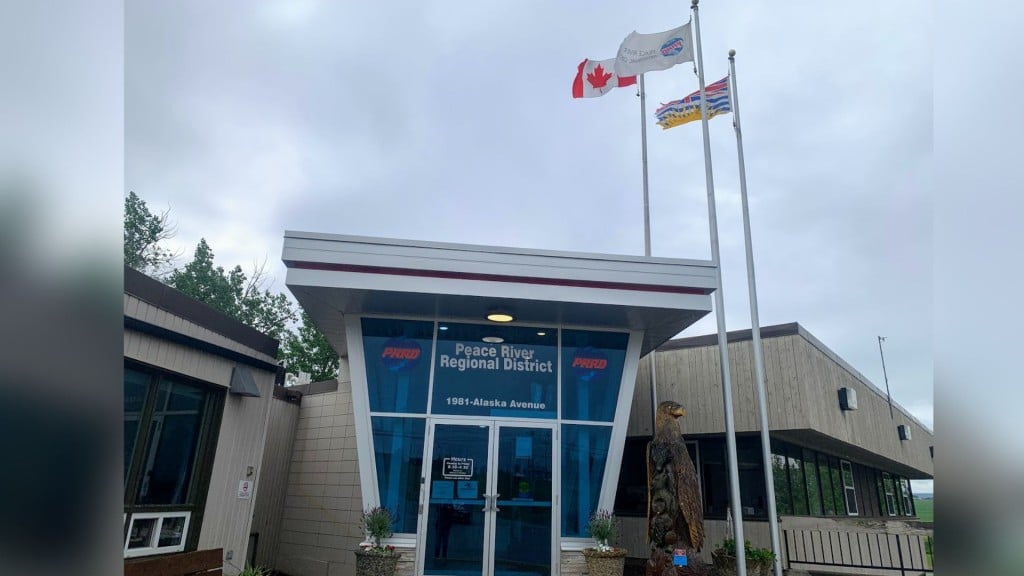
PEACE RIVER, B.C. — The Peace River Regional District (PRRD) has been ranked among the top five most efficient regional districts in British Columbia, according to a new report.
The report, titled Bureaucracy over Basics: An Examination of Regional District Spending Growth, comes from the Canadian Federation of Independent Business (CFIB).
It found many regional districts across the province increased administrative costs faster than population growth, inflation and property tax revenues between 2018 and 2023.
The report says the PRRD stood out for keeping its administrative spending growth to just three per cent, well below provincial averages and key economic benchmarks.
Despite the district’s 19 per cent population and inflation growth and 58 per cent total spending increase, property taxes did not increase.
According to the report, “the most efficient regional districts’ general spending habits, administrative costs only grew (if at all) slightly, while total expenditures (which include services, capital projects, infrastructure, etc.) grew significantly more.”
“This implies that these regional districts expanded their overall mandate, investments and operations without a proportionate growth in internal overhead,” the report added.
Latest Stories
The district joins Nanaimo, North Okanagan, Fraser Valley and qathet in the top five.
“[The PRRD] should be recognized for their responsible spending habits,” said Ryan Mitton, CFIB’s director of legislative affairs for B.C.
“When local governments cut red tape and make their bureaucracies more efficient, it helps keep property taxes affordable for small businesses, which is essential while we are also facing US tariffs.”
The report says: “The top five most efficient regional districts saw negative, or very miniscule, growth in administrative spending over the five-year period, meaning their internal costs declined despite inflation, population growth and rising property taxes.
“This reflects a high level of fiscal discipline and strong cost control.”
The CFIB is calling on the province to reinstate the auditor general for local government to ensure more oversight and accountability of local spending.
The position was scrapped in 2021 due to cost concerns and the jurisdiction being “too big for one officer,” according to the report.
“Whether it is contracted services or a full-time position, this report shows that there is a clear need for oversight of bureaucratic growth at the local level,” Mitton said.
The full report can be found at the CFIB’s website and below.
Stay connected with local news
Make us your
home page
Authors

Related Articles

WMFN Chief named keynote speaker at Indigenous Resources Opportunities Conference
Roland Willson will be part of a panel discussing the Hope Truck Initiative, which had its first edition in 2025
Funding for Dawson Creek medical accommodation set to be discontinued
Bultery’s House in Dawson Creek is set to have its funding discontinued in December 2026.

B.C. Conservatives call for update on Northern B.C. involuntary care facility
The Conservative Party of British Columbia is calling on the provincial government to provide an update on a proposed Prince George involuntary care facility.