
Minister warns wildfires may burn 30 per cent of region in 2025
The minister of forests, during a tour of the northeast, spoke about the significance of this year’s wildfire season and its dangers.

FORT ST. JOHN, B.C. — While touring the northeast, B.C’s minister of forests warned 30 per cent of the region could burn during what is shaping up to be the worst wildfire season on record.
Ravi Parmar is undertaking a tour of northeast B.C., meeting with residents, mayors, First Nations and industry leaders in the region.
The minister was in Fort St. John on July 9th, and held a teleconference to discuss the current wildfire season and his activities in the northeast.
According to Parmar, the BCWS estimates nearly 30 per cent of forest and land base in the Prince George Fire Centre region could be burned by the end of the 2025 wildfire season.
“People have endured not just the physical threat of fires, but the emotional toll of displacement, smoke and uncertainty,” Parmar said.
When asked how the province intends to support the northeast in a proactive manner, Parmar explained resource and manpower allocations when fighting wildfires have to be made with “science and data.”
“We’ve got a great team in the BC Wildfire Service that does predictive services analysis, and I think that speaks volumes how we’ve been able to ensure that we’ve had crews and bases ready and prepared and certainly moving around [to] support as needed.”
Latest Stories
According to the BC Wildfire Service, 2025 could be the country’s second-worst wildfire season on record, and the Prince George Fire Centre has stated it could be the worst season for the region.
As of July 2nd, the centre has tackled 177 wildfires and a total of 680,000 hectares have burned across northeast B.C.
“My goal, since becoming the minister of forests, is to be on the ground, listening to people and ensuring that we have their back,” Parmar said.
“This region is the economic engine of our province, it’s home to forestry, oil and gas and many other natural resource industries, but it’s also a region that has faced uncertainty, mill closures, job losses and shifting global markets.”
Parmar explained consistent feedback from communities and regions will help with guiding, informing and improving the province’s response to wildfires in future seasons.
“The BC Wildfire Service will continue to ensure that we’re collecting…data and better informing how we allocate those resources into the future,” Parmar said.
Stay connected with local news
Make us your
home page
Authors

Related Articles
Nearly 200 forest fires fought in northeast B.C. during wildfire season 2025
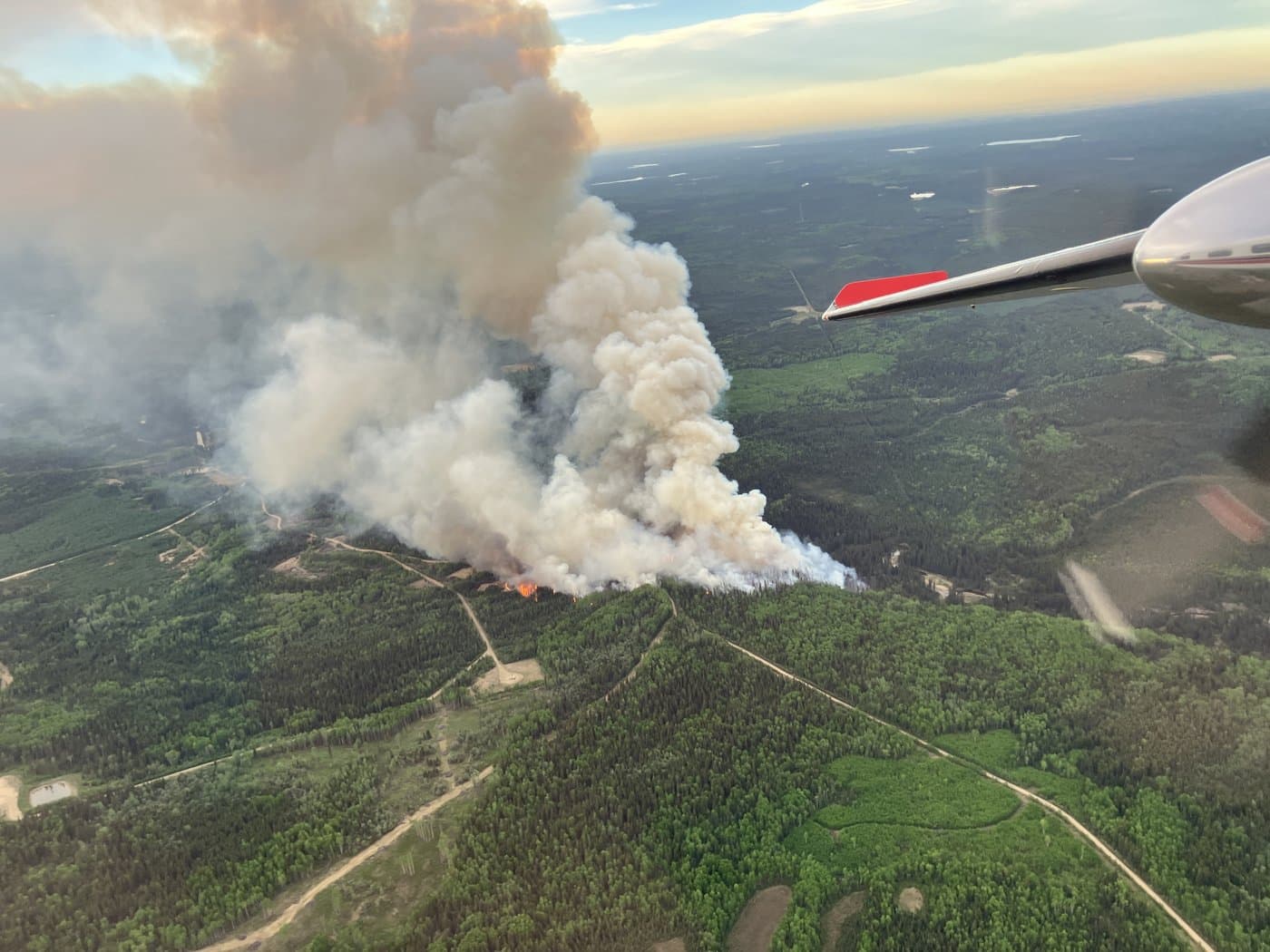
Wildfire season 2025 saw 199 blazes in northeast B.C., while the province saw 1,350 in total.
‘Important investment’: B.C. forestry ministry praises $257.6 million federal boost to wildfire fighting
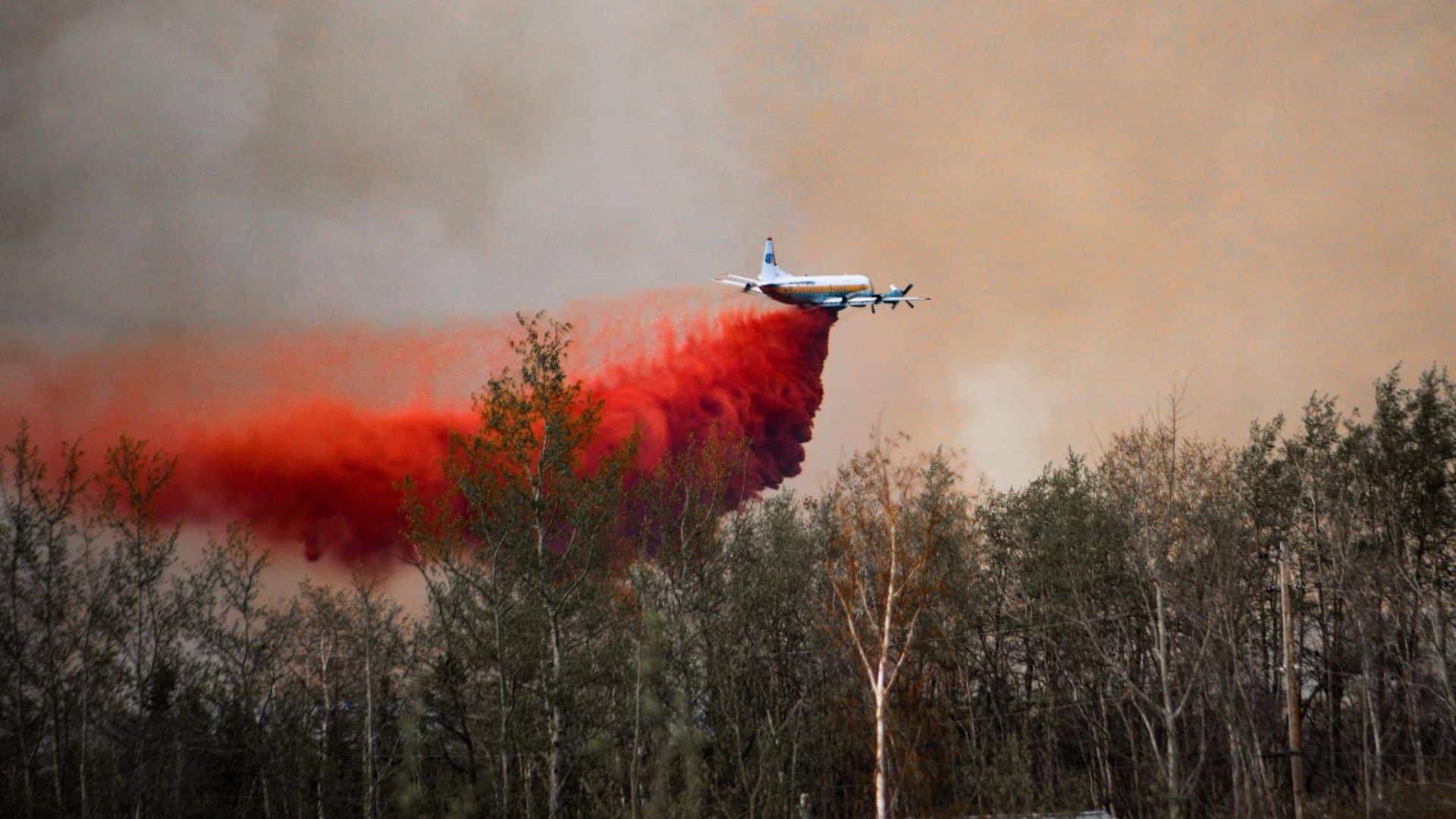
A recent $257.6 million investment to Natural Resources Canada will go towards Canada’s firefighting capacity, including in B.C.
Video This Week in the Peace – BC Wildfire Service & Dawson Creek Firefighter Update
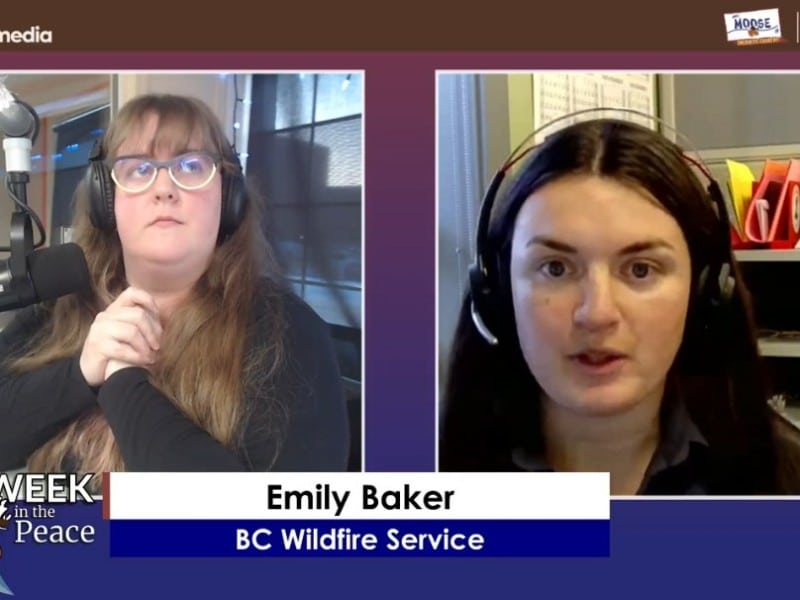
On this episode of This Week in the Peace, we get updates from the BC Wildfire Service and Dawson Creek Firefighter Capt. Brooks Gower