
‘Blow down’ creating ‘major challenges’ in Fort Nelson wildfires fight
Lingering effects from the ongoing multi-year drought in northeast B.C. are making it difficult for BCWS firefighters to combat the many blazes burning through the Fort Nelson region in 2025.
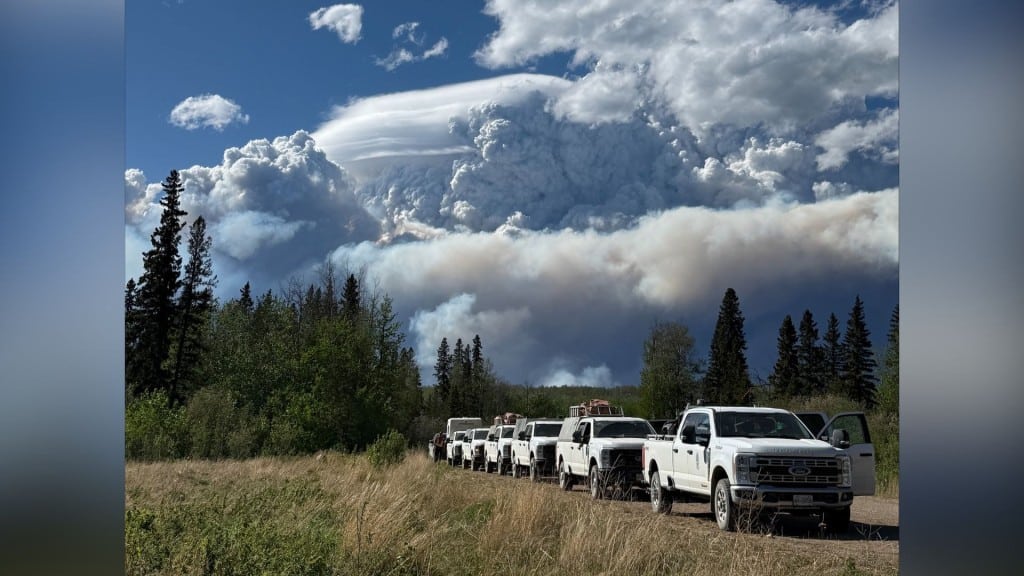
FORT NELSON, B.C. — Lingering effects from the ongoing multi-year drought in northeast B.C. are making it difficult for firefighters to combat the many blazes burning through the Fort Nelson region this summer.
That’s according to Eric Kopetski, a fire behaviour analyst with the BC Wildfire Service (BCWS). Kopetski is working in the Fort Nelson region alongside many other firefighters in an effort to control some of the largest and most numerous blazes in the province.
“One of the challenges we’ve found with the multi-year drought currently underway in the Fort Nelson zone is that we’re seeing fire able to persist for a long time,” Kopetski said in a video update on the state of the region from BCWS.
“Certainly, [the fires persist] over winter, and [are] also able to burn very deep and consume a lot of the organic material, or the ‘duff’ that’s on the top layer of the soil. What it’s been doing is slowly burning through this duff, and over time, it’s able to actually burn a lot of the roots in these trees.”
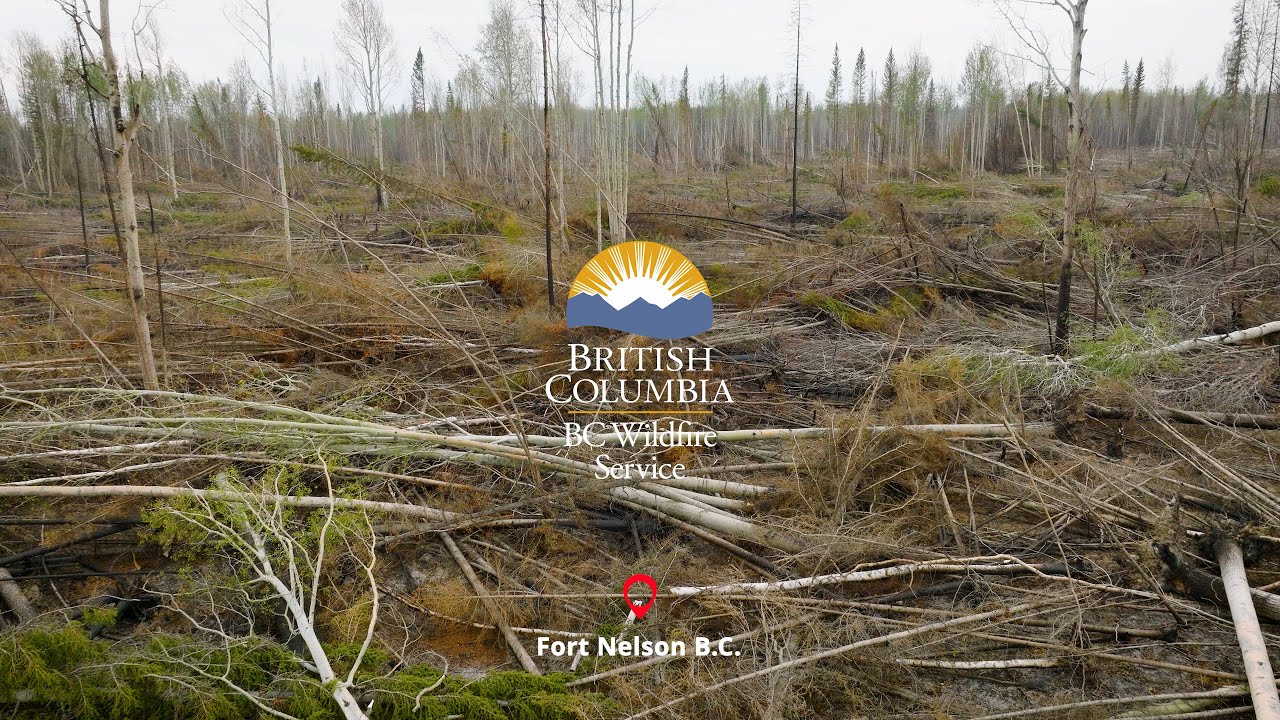
Kopetski says that’s led to trees that aren’t consumed by the fires simply falling over, a phenomenon called ‘blow down.’ He says it’s causing “major challenges” in terms of accessing fires to put them out and covering the ground in new fuels that could potentially burn again.
“The difference between this sort of situation versus a ‘crown fire,’ where you have a really rapid-moving fire, is the trees are more likely to be erect and still standing after a very fast-moving fire that doesn’t have a lot of time to get in and burn the roots down,” he added.
“So, some of those trees are able to still stand, and also a lot of these needles and finer fuels are burnt off, so if they do fall down, there’s less risk of a fire restarting and spreading.”
Latest Stories
Sonja Leverkus, a prescribed fire specialist with Northern Fire WoRx, also appeared in the video update, saying this blow down has been increasing in recent years, and it could potentially impact how BCWS manages and suppresses fires in the future.
Northern Fire WoRx is one of the largest private fire companies in Canada, with crews trained for fire prevention, suppression and rehabilitation.
“What we also see around the Fort Nelson area over the last few years of fire is that there is a lot of blow down that’s happened through the overwinter fires as well,” Leverkus said.
“This creates a really big challenge for humans and wildlife to walk through the area, as well as for firefighters to be able to work on the fires safely.”
Kopetski added that fallen trees need to be cleared away by firefighters by hand, after they have been broken down by specialized equipment like chainsaws.
Additionally, in the event a fire reignites in an area that’s experienced significant blow down, some firefighting techniques will be less effective than the first time, according to Kopetski.
“Things like air tankers and retardant are less effective in this fuel type, because retardant typically will land on top of the logs and has a hard time penetrating to the ground where the fire is spreading,” he said. “It’s a very difficult and challenging fuel type to work effectively in and stop fire.”
BCWS’ website has the latest updates on the wildfire situation across the province. To view the full video update, look below.
Stay connected with local news
Make us your
home page
Authors

Related Articles
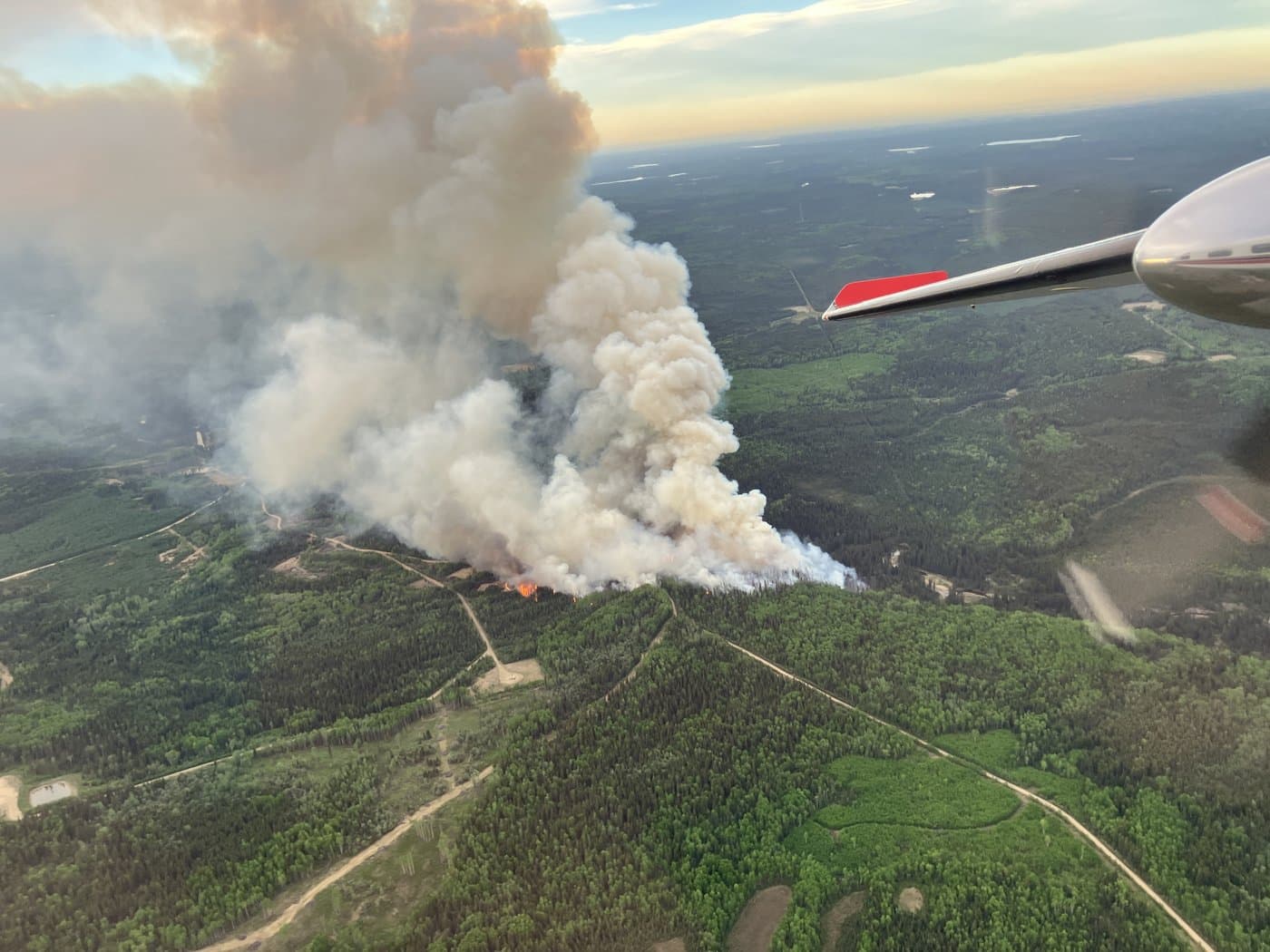
Nearly 200 forest fires fought in northeast B.C. during wildfire season 2025
Wildfire season 2025 saw 199 blazes in northeast B.C., while the province saw 1,350 in total.
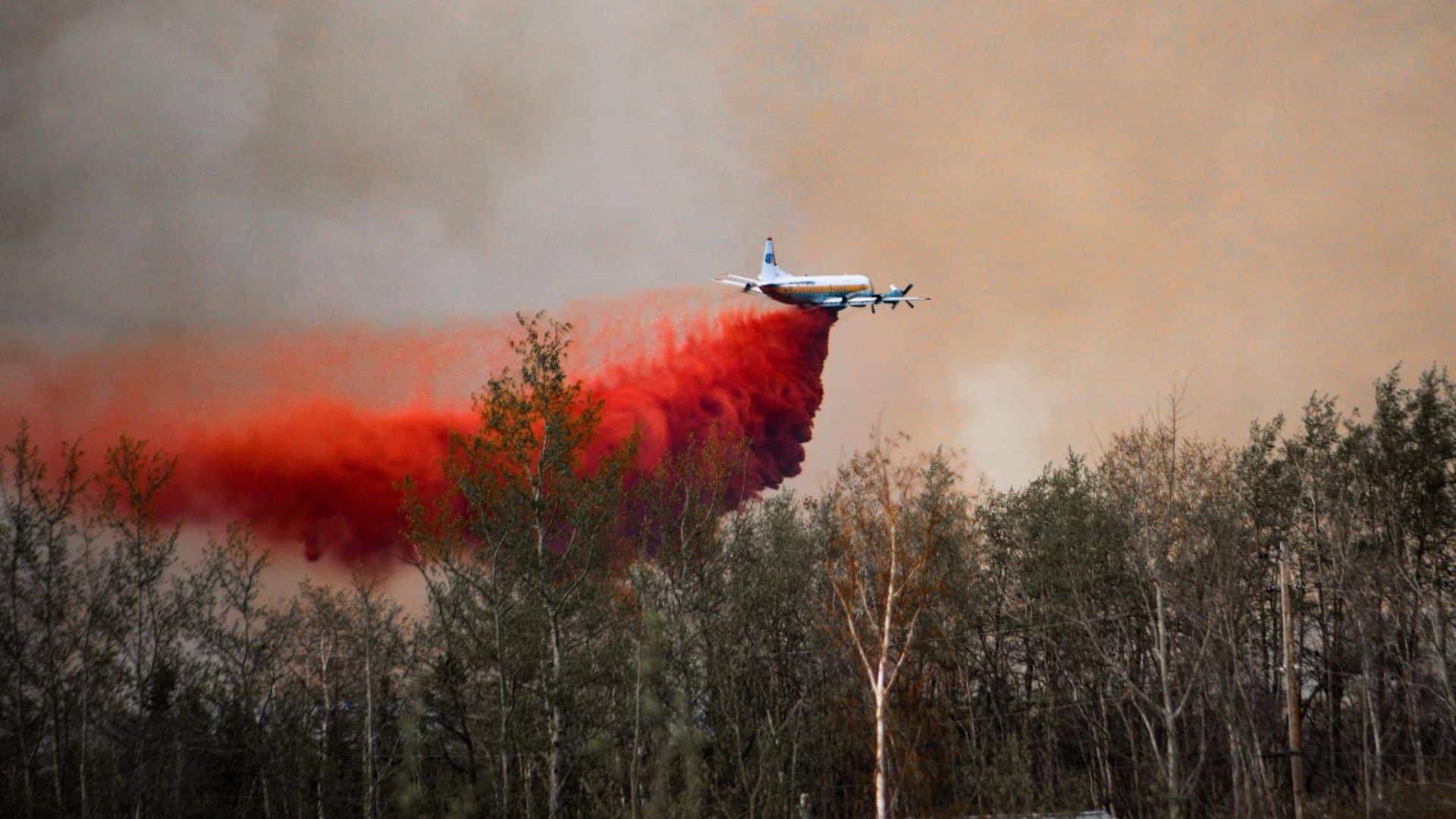
‘Important investment’: B.C. forestry ministry praises $257.6 million federal boost to wildfire fighting
A recent $257.6 million investment to Natural Resources Canada will go towards Canada’s firefighting capacity, including in B.C.
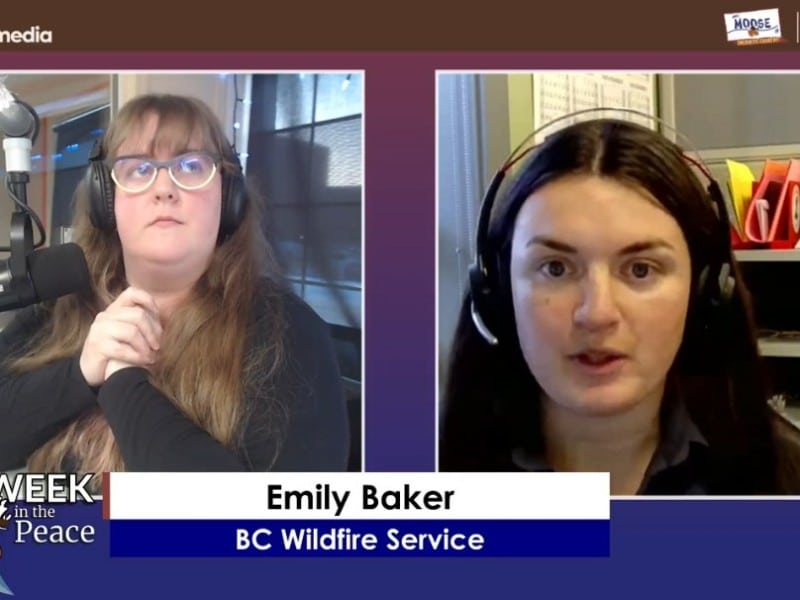
Video This Week in the Peace – BC Wildfire Service & Dawson Creek Firefighter Update
On this episode of This Week in the Peace, we get updates from the BC Wildfire Service and Dawson Creek Firefighter Capt. Brooks Gower