
Prince Rupert Gas Transmission project ‘substantially started’, rules EAO
The Environmental Assessment Office has approved the Prince Rupert Gas Transmission project’s substantial start application.
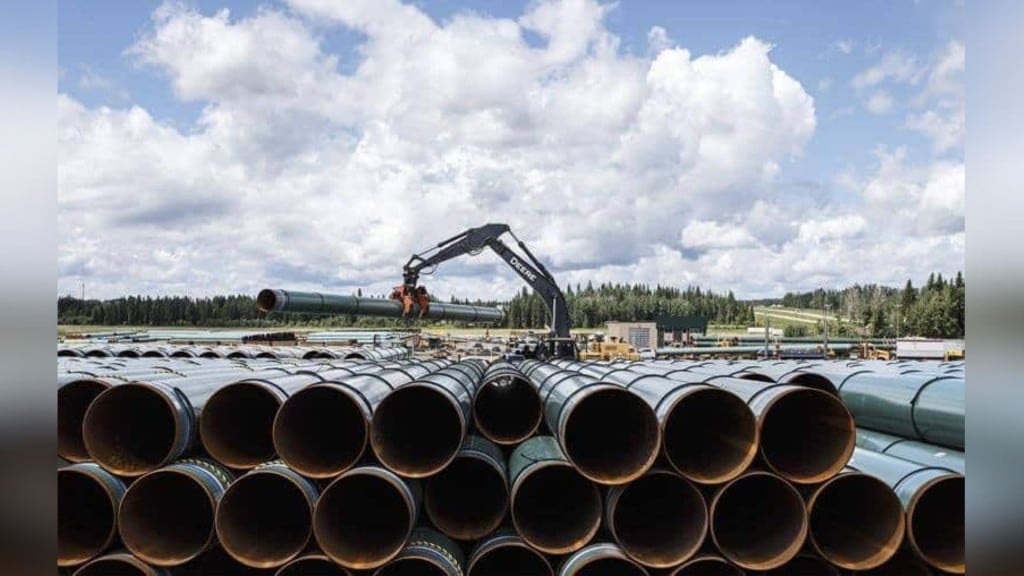
HUDSON’S HOPE, B.C. — B.C.’s Environmental Assessment Office (EAO) has ruled work is officially well underway on a gas pipeline connecting Hudson’s Hope with an island near Prince Rupert.
According to a press release from the EAO dated June 5th, the environmental assessment certificate for the Prince Rupert Gas Transmission (PRGT) pipeline project – initially issued in 2014 – will now remain in effect for the entirety of the project.
When the certificate was issued after the EAO’s environmental assessment of the project, it included a stipulation that the PRGT needed to be “substantially started” by late November 2024 in order to keep the certificate. A certificate is required in order for the project to be built.
“The EAO undertook a detailed assessment process that started at the end of November 2024, examining all evidence relevant to the matter of whether or not the project is substantially started,” the press release reads. “First Nations potentially impacted by the project had an opportunity to provide their views.”
There’s no set standard for when a project is ‘substantially started,’ according to the provincial government’s official policy. Instead, projects are assessed on a case-by-case basis.
For the PRGT, the EAO reportedly used “a field assessment of the project site, documentation from Prince Rupert Gas Transmission Ltd. and information from First Nations, Gitanyow Hereditary Chiefs, Gitxsan Wilps and members of the public” in order to create a report on the project and come to a decision.
“As outlined in his reasons for decision, the chief executive assessment officer determined that the physical work completed is consistent with standard pipeline development, and together with other activities and investments undertaken, the company demonstrated a strong intention to advance the project in the near term.”
Latest Stories
Once it’s completed, the PRGT is expected to be able to transport up to two billion cubic feet of natural gas per day, with the ability to expand to up to 3.6 billion cubic feet per day.
The project has been controversial, drawing criticism from various Indigenous groups and, at one point, the EAO itself.
One group that continues to stand against the pipeline is the Gitanyow Hereditary Chiefs, an Indigenous group that issued its own press release decrying the decision to allow the decade-old environmental assessment to stand in perpetuity.
“Fossil fuel projects like PRGT, Coastal GasLink, TransMountain and many more leave Canadians on the hook with billions of dollars year after year,” said Gwaii Lok’im Gibuu/Jesse Stoeppler, co-executive director of the Skeena Watershed Conservation Coalition.
“If you can’t live up to your own provincial climate emissions commitments, at the very least be accountable to Canadians when investing their future into non-viable, foreign-owned energy projects, stop growing the corporate welfare system with billions of tax-funded subsidies that bring violence to our communities while systematically undermining the rule of law.”
Sven Biggs, the Canadian oil and gas program director for Stand Earth, echoed similar sentiments.
“Approving new fracked gas pipelines in 2025 and denying climate science are two sides of the same coin,” Biggs said. “Premier Eby should already be aware of this, considering last year’s wildfires are still burning right here in B.C., but the recent actions of his government make it clear that B.C. no longer has any kind of credible climate plan. In order to get things back on track, Eby’s cabinet needs to stop making the problem worse by approving disastrous new fracked gas megaprojects.”
The EAO says it will continue to monitor the project as it progresses to ensure it’s meeting all the requirements of its environmental assessment certificate.
Stay connected with local news
Make us your
home page
Authors

Related Articles
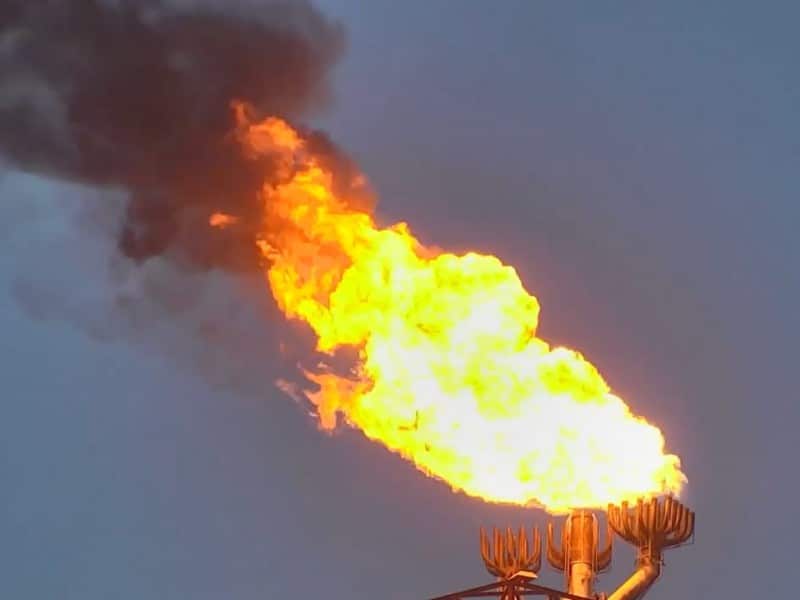
LNG Canada flares up to 15 times more gas than expected, documents reveal
LNG Canada should be fine to operate by burning 11,000 cubic metres of gas per day, but due to a flaring issue, it reported flaring an average of approximately 205,000 cubic metres per day between July 1st and November 30th, 2025.

BC Hydro signs MOU with Ksi Lisims LNG for north coast power supply
The MOU outlines the steps required for BC Hydro to deliver power to the Ksi Lisims LNG facility via the North Coast Transmission Line (NCTL).
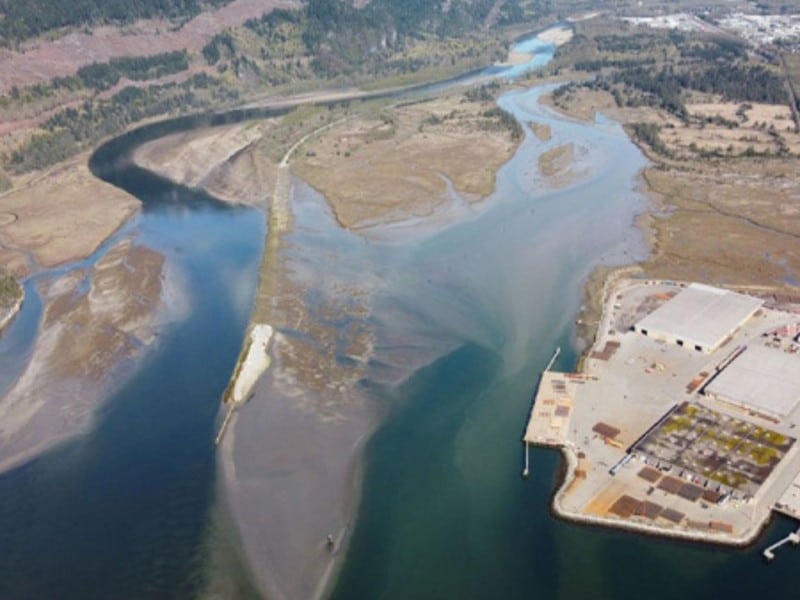
LNG project issued notice for ‘failing to monitor’ juvenile salmon during in-stream construction
B.C. Environmental Assessment Office records show Woodfibre LNG in Squamish was found to be out of compliance with government regulations over juvenile salmon monitoring.