
Wildfire smoke linked to more ER visits for asthma, researchers urge preparedness
A new study says visits to emergency departments for asthma spiked during a first wave of unprecedented wildfire smoke in 2023.
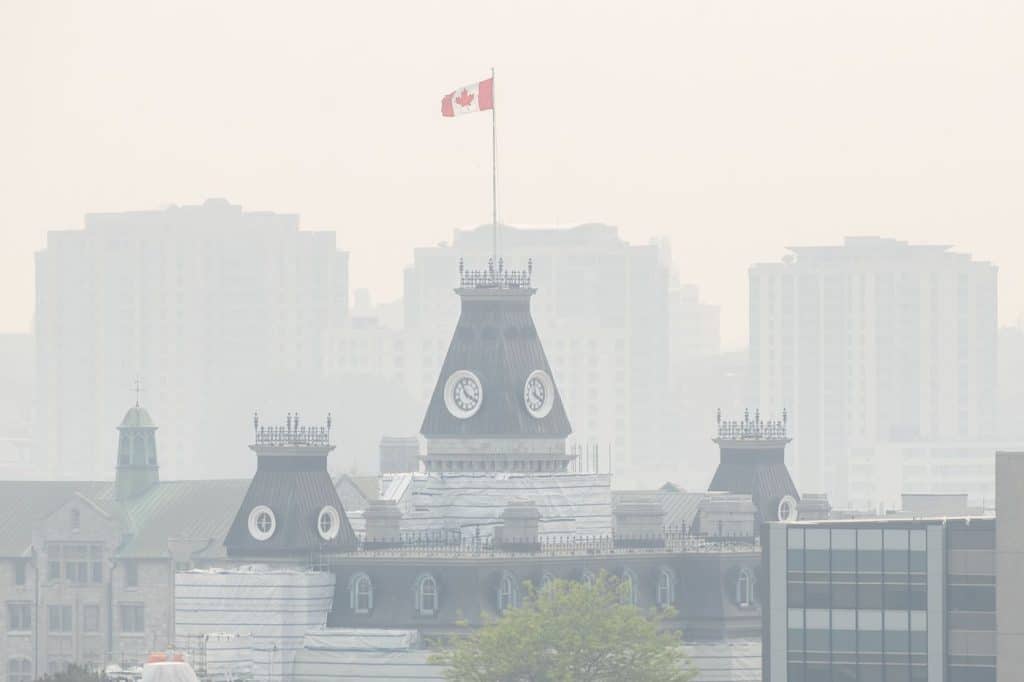
TORONTO, ON — A new study says visits to emergency departments for asthma spiked during a first wave of unprecedented wildfire smoke in 2023, but patient numbers returned to normal during a second wave weeks later.
The researchers say the first wave may have served as a wake-up call so people learned to protect themselves from poor air quality before the wildfire smoke struck again.
Lead author Hong Chen says patients may have received preventive medications that helped keep their asthma under control and prepared themselves for the second wave by staying indoors and using air cleaners.
The researchers analyzed emergency department visits in Ontario in June 2023 because that was the worst wildfire season the province had ever experienced.
The study, published in the Canadian Medical Association Journal on Monday, comes as wildfire season has already begun in British Columbia.
Last week, firefighters battled a wildfire which started in Fort St. John’s Fish Creek Community Forest and grew to 110 hectares.
In an accompanying commentary, Sarah Henderson of the BC Centre for Disease Control says wildfire smoke is the new normal and Canada needs indoor air quality standards to protect people.
This report by The Canadian Press was first published May 5th, 2025.
Canadian Press health coverage receives support through a partnership with the Canadian Medical Association. CP is solely responsible for this content.
Nicole Ireland, The Canadian Press
Stay connected with local news
Make us your
home page
Authors

Related Articles
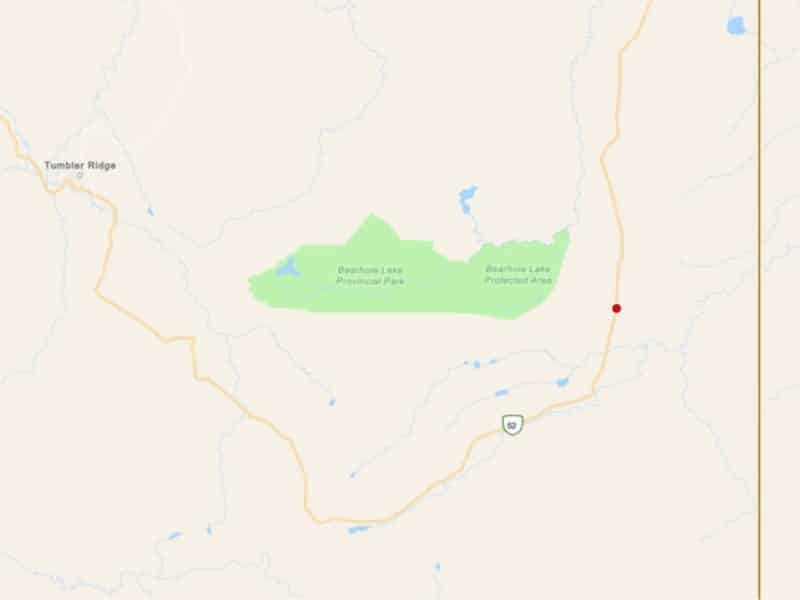
(UPDATE) Wildfire reported near Bearhole Lake Provincial Park
A wildfire has been reported near Bearhole Lake Provincial Park, adjacent to Highway 52.
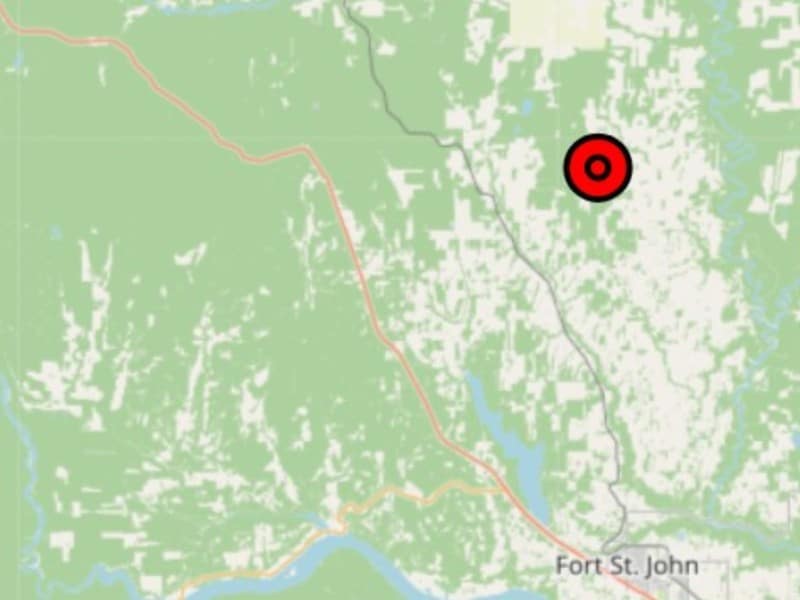
(UPDATE) BCWS fights wildfire north of Fort St. John
The one-hectare wildfire was reported during the afternoon of Wednesday, May 13th.
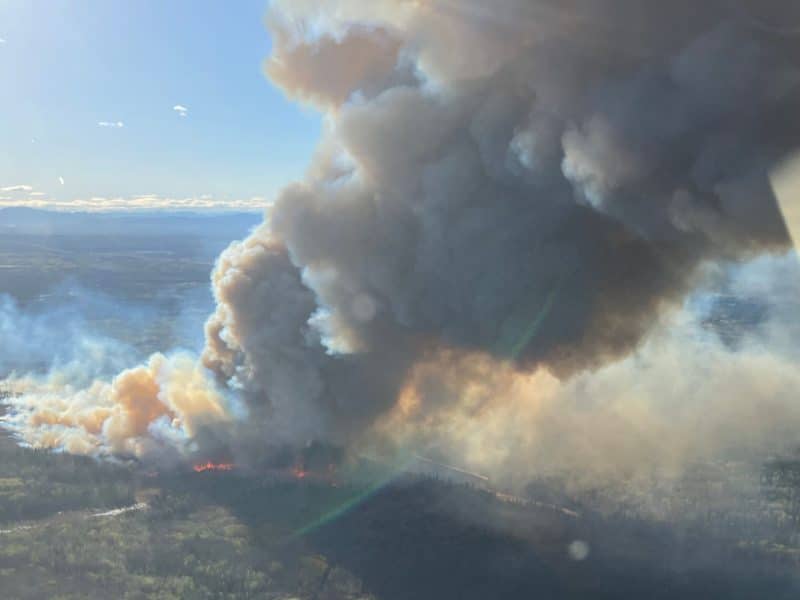
Windy Creek wildfire ‘under control’ at 206 hectares
The BC Wildfire Service has brought a 206 hectare wildfire northeast of Chetwynd under control after two days.