
City replaces decades-old Traffic Bylaw
Fort St. John’s development services has modernized and streamlined its Traffic Bylaw, which regulates traffic and parking in the city.
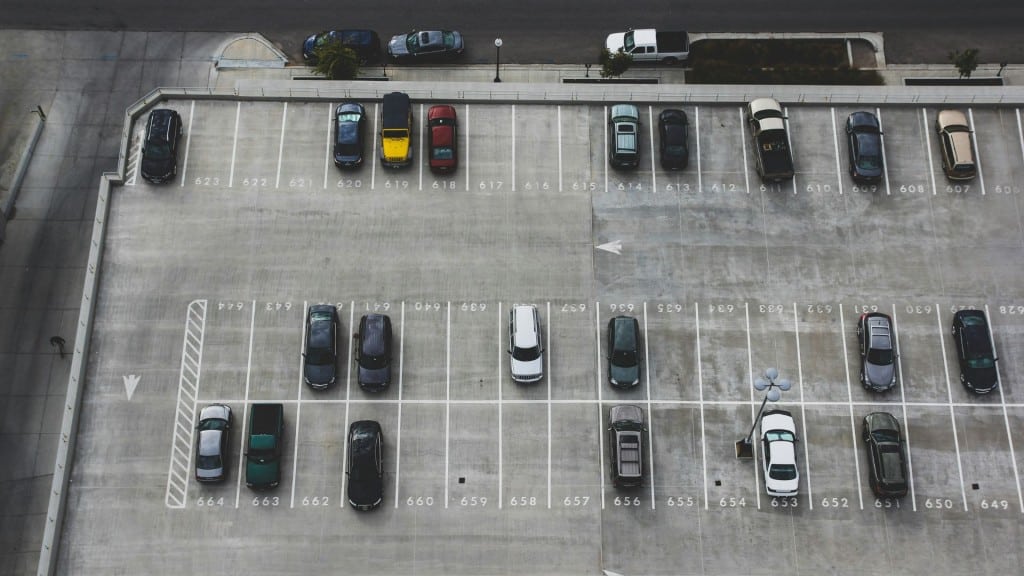
FORT ST. JOHN, B.C. — In order to modernize and streamline the bylaw which the city uses to regulate traffic and parking, Fort St. John’s development services has brought forth a new, modern bylaw.
The old bylaw – Traffic Bylaw No. 720, 1979 – was a 74-page document which had seen very few amendments in its 46-year history.
Now called the Highway and Traffic Bylaw No. 2605, 2025, the regulation has been reduced to 29 pages, and through extensive revision, been brought in line with current bylaw standards as well as relevant parking enforcement and traffic issues in the city.
“It contained outdated language, some older definitions, older penalty fees,” engineering technologist Alexa Kalina told council when she presented the updated bylaw during the Committee of the Whole meeting on April 28th.
“There was also some information that is no longer relevant, for example, the detailed section about parking meters, which we no longer have in the city.”
The purpose of the bylaw, Kalina explained, is to regulate parking and traffic in the city’s rights-of-way, including highways, boulevards, sidewalks and public spaces.
It also specifies a heavy truck route with a new map which is included in a schedule of the bylaw.
Latest Stories
During the process of reviewing and rewriting the bylaw, the steering committee looked at the bylaws of several comparable communities such as Grande Prairie and Vernon and consulted with the local RCMP traffic division.
Of the key changes in the new bylaw, Kalina says the name change is the biggest.
“Many similar bylaws in BC have the same name, and the bylaw is not restricted to just parking and traffic issues but pertains to the highway as well.”
A highway is defined in the Transportation Act as a “public street, road, trail, lane, bridge, trestle, tunnel, ferry landing, ferry approach and any other public way or any other land or improvement that has become a highway through other ways.”
Other key changes include:
- Updating definitions to bring them in line with other city bylaws, as well as to ensure their relevance.
- The section about noise was removed, as the city has the Noise Regulation Bylaw.
- Part of the section regarding commercial vehicles was removed, as that information is covered in the Commercial Vehicle and Transport Acts.
- The addition of snow route parking bans.
- An update to the penalty fees for offences to bring them more in line with other communities.
The update of the bylaw will help officers deal with some of the more common parking and traffic issues in the city, such as parking on sidewalks, too close to driveways or on crosswalks, as well as leaving unlicenced vehicles parked on the road.
Stay connected with local news
Make us your
home page
Related Articles
Taylor to execute the Peace Region Major Event Mutual Aid Agreement
The District of Taylor’s mayor and chief administrative officer will execute the Peace Region Major Event Mutual Aid Agreement.
Taylor council approves purchase of Sand Pro for more than $18K
The District of Taylor council has approved the purchase of a sand pro using reallocated funds from the capital plan, costing $18,500 plus taxes.

BC General Employees Union launches petition in support of public libraries
The BC General Employees Union has released a petition calling for more funding for public libraries in the province.