
‘It was quite remarkable’: Behn-Tsakoza remembers visit after Pope Francis’ passing
Taylor Behn-Tsakoza went to Vatican City as a young First Nations representative in 2022 to meet Pope Francis, who died on April 21st.
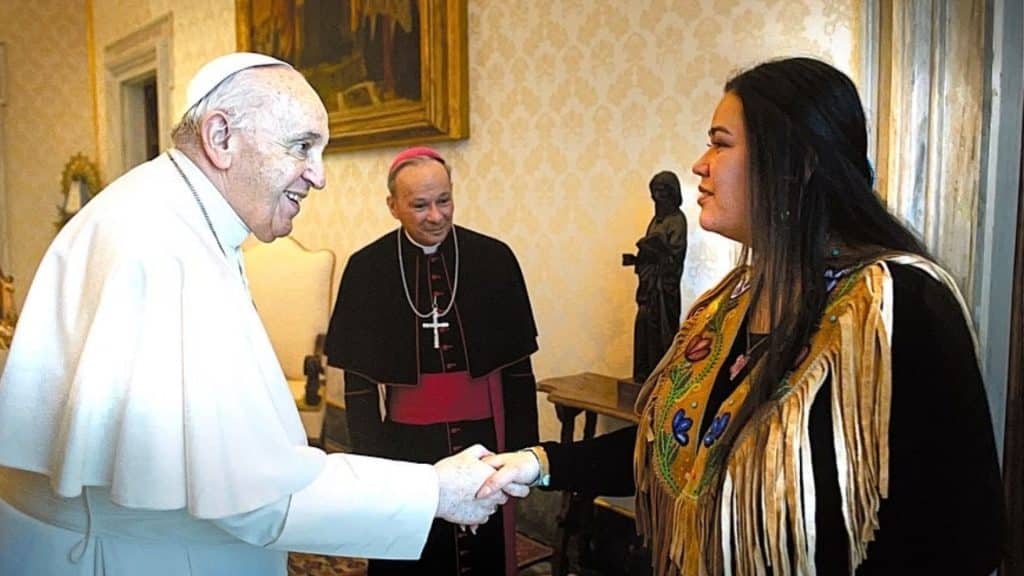
FORT ST. JOHN, B.C. — While figures from politics, the sports world and practicing Catholics worldwide mourn the passing of Pope Francis, one northeast B.C. Indigenous woman will remember him in a special way.
Taylor Behn-Tsakoza visited the Vatican City as part of an Indigenous delegation back in 2022, which also included Metis and Inuit communities, and Catholic archbishops.
With the 88-year-old pontiff passing away on Easter Monday, Behn-Tsakoza spoke to Energeticcity.ca about the visit.
Local News Straight
to Your Phone
Download our app today!
Available on Android and iOS devices
“I was co-chair of the Assembly of First Nations’ (AFN) national youth council,” said Behn-Tsakoza. “It was proposed to myself and co-chair, Rosalie LaBillois, to be part of the meetings that took place.
“I think back to it. I’m born and raised in my community of Fort Nelson First Nation, and I was called up to speak with Pope Francis. It was quite remarkable.”
Initially scheduled to happen in December 2021, it was postponed until the next spring due to the Covid-19 pandemic.
She said the delay gave her “more time to prepare” for the visit, which took place in March 2022.
Latest Stories
With LaBillois selected to represent her home province of New Brunswick, Behn-Tsakoza was chosen to represent First Nations’ youth as part of the delegation.
Seen as a progressive pope, Francis oversaw repairing relationships for acts committed by the church – including taking responsibility for the church’s part in Canada’s residential school system.
Although she only spoke to him for around seven minutes, Behn-Tsakoza said the pope “spoke from the heart.” She also touched on language revitalization and the repatriation of artifacts in the Vatican’s possession.
“A lot of people frame it as we were begging for an apology. I don’t see it that way,” said Behn-Tsakoza. “It was us telling our stories to the pope, and him understanding the impacts residential schools had on the survivors themselves.
“I’m an intergenerational survivor. I never did attend those schools. I only know a world without them, but it impacts my life.”
Numerous relatives of Behn-Tsakoza attended the Lower Post Residential School, located near the B.C.-Yukon border, before it closed in the 1970s, where acts of both physical and sexual abuse were committed.
The group of 13 delegates only spent around 90 minutes with the pope during the meeting, Behn-Tsakoza said.
While the pope had Italian translators to converse with the visitors, Behn-Tsakoza said Pope Francis pushed aside a formal written statement he initially had for the meeting, preferring to speak in the moment.
“Toward the end of my time with him, I said ‘I call on you, as a progressive pope, to do what is right and to dig deep into your heart, for I know that you know what needs to be said here today.’” said Behn-Tsakoza.
“People asked ‘do you think he actually heard you?’ From his hands over his mouth, with a reaction of disbelief when you hear something almost unbearable to hear, to him pondering and really taking in what we were saying, there were little things that I felt he was listening to us.”
She remembered the pope as “progressive” but feels there is still more work to do from whomever succeeds Pope Francis toward reconciliation.
“I hope the next pope is just as caring,” says Behn-Tsakoza. “Those are the kind of people that I feel are really gonna take our stories and do something with them.”
In a statement, AFN National Chief Cindy Woodhouse Nepinak said Pope Francis “led by example,” and said the pontiff “pushed the Catholic Church to confront its past and seek a path for reconciliation and change.”
Stay connected with local news
Make us your
home page
Authors
Related Articles
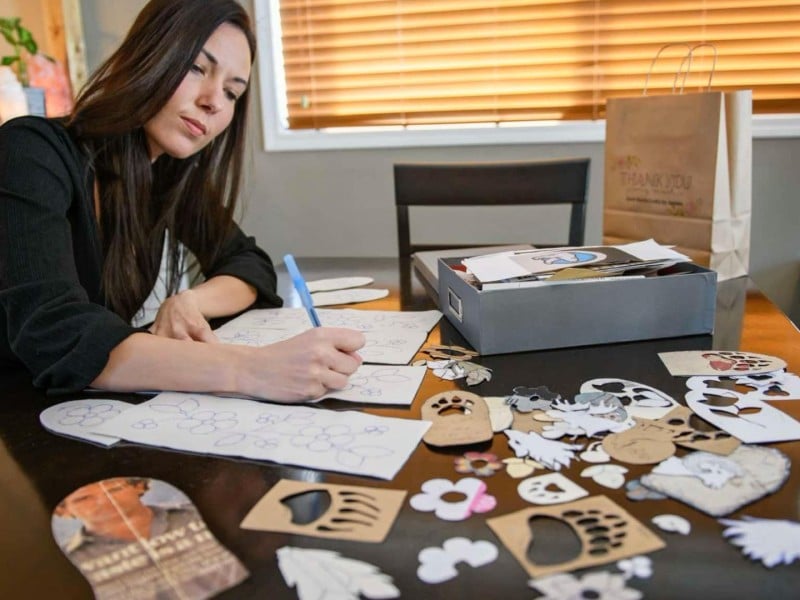
‘I couldn’t say no’: Indigenous artist becomes first to be featured by new project
Fort Nelson First Nation’s Amber Lloyd, who works with mocassins, has been featured by Northern Rockies Arts Council’s new project, ‘Artist Spotlight.’

Winners of awards for Indigenous sport excellence named
The winners of the 2025 Premier’s Awards for Indigenous Youth Excellence in Sport include softball player Brooklynn Munch and hockey player Riley Solbrekken.
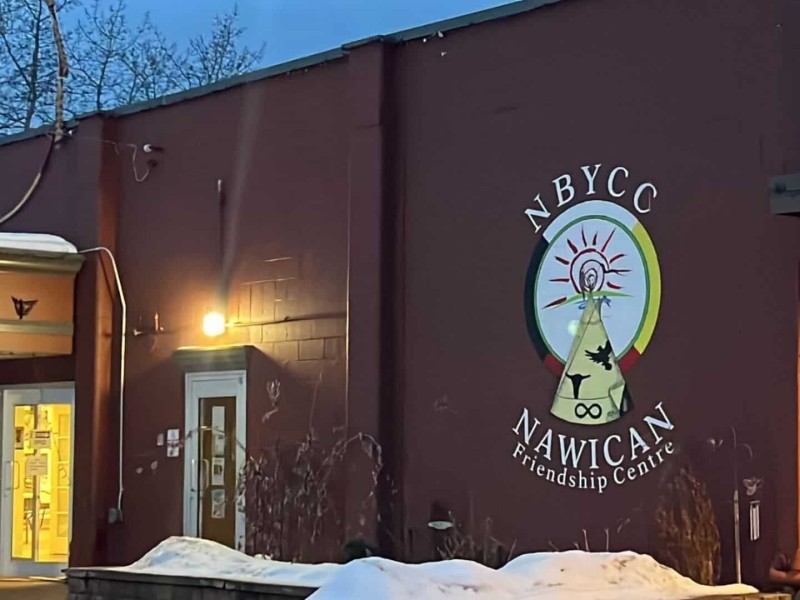
Setback for Nawican Friendship Centre as it seeks funding for celebration
The Peace River Regional District (PRRD) denied an application by the Nawican Friendship Centre to provide $50,000 of funding for its $60,000 joint celebration in August, but said it would recommend alternative avenues.