
PRRD to tackle illegal dumping with new littering policy
The Peace River Regional District (PRRD) is looking to tackle illegal dumping by implementing a new policy focused on monitoring, reporting, response and enforcement.
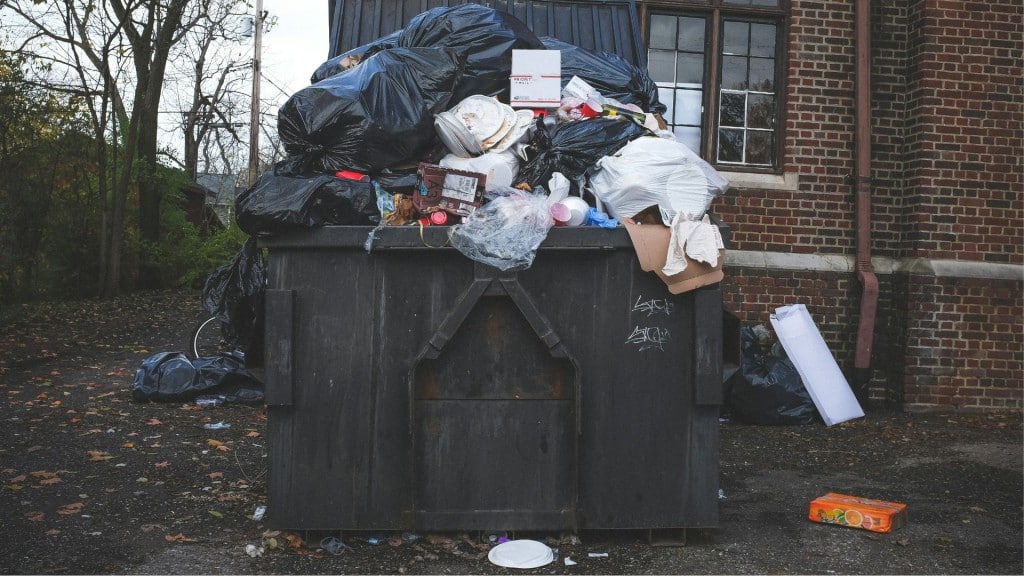
PEACE RIVER REGION, B.C. — The Peace River Regional District (PRRD) is looking to tackle illegal dumping by implementing a new policy focused on monitoring, reporting, response and enforcement.
At the Solid Waste Committee meeting on April 10th, regional directors discussed the new Illegal Dumping (Littering) Policy, development for which started a year ago.
Back in April 2024, the regional board passed a resolution to develop a policy to inform decision-making objectives surrounding recurring illegal dumping at the PRRD’s solid waste sites.
Local News Straight
to Your Phone
Download our app today!
Available on Android and iOS devices
Before developing this policy, the PRRD issued fines and tried different methods to deter and reduce illegal dumping on PRRD-owned and operated facilities.
“When we had the extra bins at Progress, we did see a reduction there for a period of time, but it has picked up again lately,” said solid waste manager Gerritt Lacey. “Having said that, with the extra bins it’s lesser than it would have been before.”
Fort St. John director Tony Zabinsky said he has noticed an increase in the amount of littering along the highways in the region and sought clarification about whose jurisdiction that is.
Lacey responded that because highways are on Crown land, it falls under the purview of the Conservation Officer Service and other branches of government.
Latest Stories
“The highways contractor reaches out every year and they do get waiver fee for their roadside clean-ups with community groups,” Lacey said.
Waiving the dumping fees in the spring and fall has had an impact on reducing illegal dumping, but it’s the times in between the waiver periods, even with the addition of bins in strategic locations, that cause concern.
Littering can not only cause hazards for people accessing the area, but may also attract wildlife.
This puts animals in dangerous situations on roadways, has negative environmental impacts and has increased operational costs.
“As part of this roll-out, we’ll be building better trackers and trying to get that word out. You know, report to us and we’ll be able to track that,” he said.
Reporting incidents of littering or illegal dumping to the PRRD is low. A lack of understanding of what is considered illegal dumping is hampering the reporting process.
The policy defines littering and illegal dumping as follows: “3.3 Littering means the disposal of waste outside of a designated disposal receptacle, disposal of waste into a receptacle that is intended for a specific material or illegal depositing of waste materials in unauthorized locations at PRRD facilities.
“3.4 Illegal dumping means the disposal of waste outside of a designated disposal receptacle, disposal of waste into a receptacle that is intended for a specific material or illegal depositing of waste materials in unauthorized locations, such as Crown land or private property or in an unauthorized fashion.”
Area E director Dan Rose asked if this would allow the PRRD to identify those doing the dumping, as he would “love to identify who’s dumping at Progress, because I’ll guarantee you that a lot of the illegal stuff is not coming from the people that live there.”
The policy, said Lacey, will enable the PRRD to take photos of the instances and put them on a board, and develop a ‘three strikes you’re out’ policy.
Area C director Brad Sperling said since the clean-up program started, he has received significantly fewer complaints.
“I used to get complaints almost daily,” he said. “And of course, Area C being on the way to the North Peace [Regional] Landfill, those were couches, appliances, everything. Now, nothing.”
The Solid Waste Committee recommended that the regional board adopt Illegal Dumping (Littering) Policy No. 0340-85.
Stay connected with local news
Make us your
home page
Related Articles

Long-standing Spirit of the Peace Pow Wow president resigns
Connie Greyeyes has resigned from her position as board president of the Spirit of the Peace Pow Wow.
Site C work camp moved to support nation-building project in northern B.C.
VANCOUVER — BC Hydro says it’s relocating and repurposing the majority of its work camp for building the Site C hydroelectric dam to support the construction of the North Coast…
Joint federal-provincial commission into Tumbler Ridge shooting an option: minister
VICTORIA — A joint federal-provincial commission could look into the shooting that killed eight people in Tumbler Ridge, B.C., says British Columbia’s public safety minister. Nina Krieger says a joint…