
Call for proposals: Blueberry River Restoration Society’s chief executive officer talks organization’s ambitions
A partnership between the provincial government and Blueberry River First Nations, Blueberry River Restoration Society, was founded in 2023.
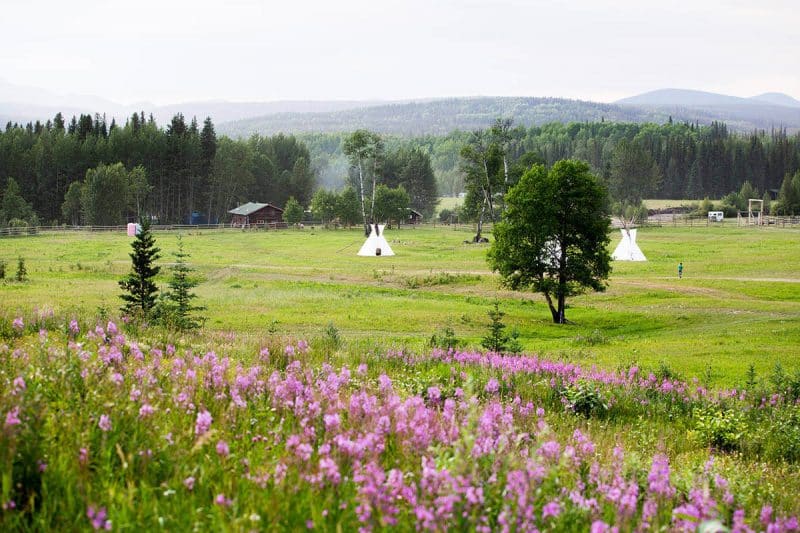
FORT ST. JOHN, B.C. — Blueberry River Restoration Society is open for collaborative work, and is asking for proposals for impactful restoration projects.
Angela D’Amato van den Hout is the CEO of Blueberry River Restoration Society (BRRS), and spoke of the organization’s mandate in an interview with Energeticcity.ca.
According to its website, the society was born out of a 2021 Supreme Court decision, which ruled the province violated Blueberry River First Nations’ (BRFN) members’ Treaty 8 rights by failing to account for the impacts of cumulative development, including on fishing, hunting and cultural practices.
A government-BRFN partnership was formed, and BRRS was founded in 2023 with a focus on providing funding for ecological restoration projects within BRFN territory.
The website reads its mission is “impactful reciprocal restoration projects” healing the land, water and culture, restoring wellbeing to the people of the community.
D’Amato van den Hout began as CEO last summer and says the society is an independent Indigenous-led organization, committed to “land, waters and culture” impacted by cumulative industrial development.
“[The society] spent the first year establishing ourselves and setting up our board, policies and developing a strong partnership with BRFN,” said D’Amato van den Hout.
Latest Stories
“There’s no shortage of restoration work, but I think there’s a lot of questions about how to incorporate BRFN in participating, if not leading, the restoration work, if you’re not already working with them.”
As a partnership, BRRS’ structure includes a board of both BRFN-appointed positions and positions appointed by the province.
This includes Island Coastal Economic Trust CEO Brodie Guy, wildlife biologist Alicia Woods, former province biodiversity specialist Tom Ethier, reconciliation consultant Trish Balcaen, BRFN member Kashtin Apsassin and BRFN councillor Sherry Dominic.
As a funding body, D’Amato van den Hout says the job is to ensure the funds flow to BRFN and potential partners best suited to carry out restoration work with a variance on what the work might entail.
“This could mean replanting native seeds, healing damaged lands or restoring waterways,” explained D’Amato van den Hout.
She added there is “a lot of work to do” and the call for proposals’ intention is to “create new opportunities for new partnerships and Indigenous-led restoration.”
The deadline for proposals is April 30th, 2025. Further details about BRRS are available on the society’s website.
Stay connected with local news
Make us your
home page
Authors
Related Articles
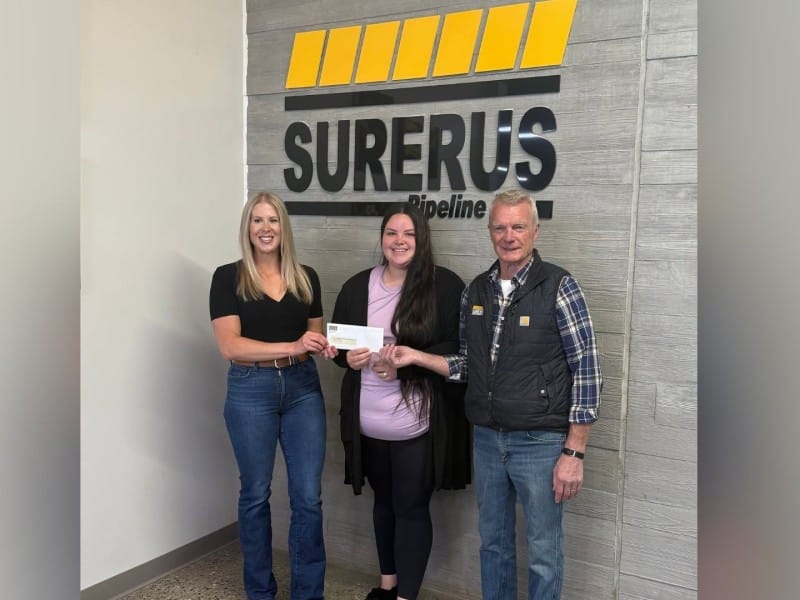
Local family services organization recipients of $10K Surerus community fund grant
Nenan Dane’s executive director says the organization is “still nailing down” where the funds will go.
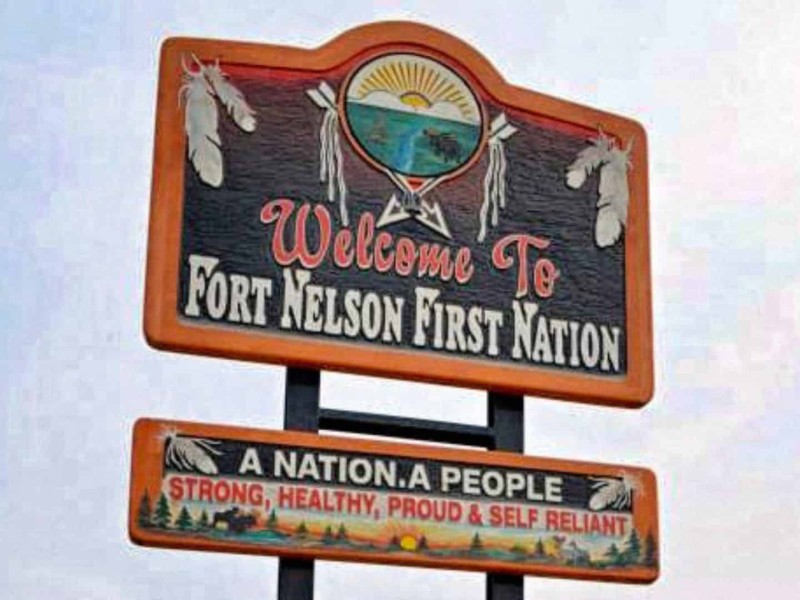
Fort Nelson First Nation releases new details about mid-week ‘hold-and-secure’ situation at Chalo School
Fort Nelson First Nation Chief Councillor Archie Harrold addressed a Thursday afternoon lockdown at the Chalo School
Fort Nelson First Nation, school in lockdown on the afternoon of June 4th
RCMP confirmed the lockdown at Fort Nelson First Nation was not initiated by the Northern Rockies RCMP detachment.