
Green energy explained: A look at 10 biomass, wind and hydroelectricity projects in the northeast
An overview of 10 green energy projects either in-progress or commissioned in northeast B.C.
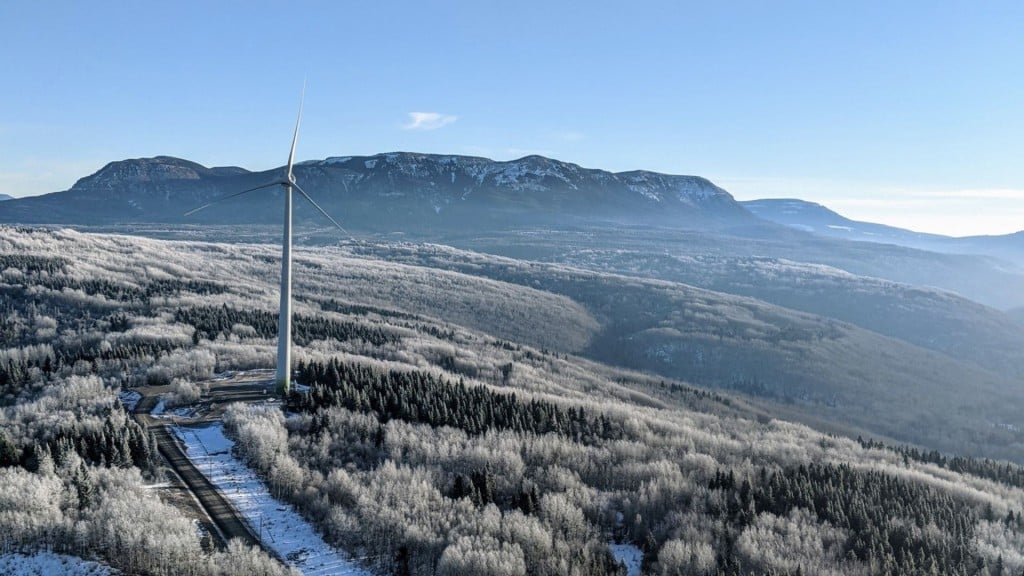
FORT ST. JOHN, B.C. – More than 50 green energy projects have been commissioned across the province in the past 50 years, from biomass to wind energy to hydroelectricity.
As the country’s largest producer of clean energy, B.C. has been approving and constructing green energy projects throughout the province for decades.
According to the Canada Energy Regulator, 89.8 per cent of the province’s electricity was generated by hydroelectric projects by 2018, with 97.9 per cent of the total energy generation in B.C. being renewable.
The province has more than 50 active green energy projects, ranging from hydro to wind to biomass and biogas, according to Clean Energy BC.
In northeast B.C., there are at least eight green energy projects in operation, and two planned or in progress.
Active Northeast B.C. projects
Hydroelectricity
Latest Stories
Since the 1960s, B.C. Hydro has constructed three hydroelectric dams on the Peace River, both in the District of Hudson’s Hope; the G.M Shrum Generating Station completed in 1968 and the Peace Canyon Generating Station completed in 1980.
A third dam project on the Peace River, the Site C hydroelectric dam in Fort St. John, is slowly coming online but is not considered ‘completed’ despite starting to generate general electricity in late 2024.
Biomass
In Chetwynd, a biomass power plant has been in action since 2015, producing 88 gigawatts of electricity. The facility is owned 100 per cent by West Fraser mills, with power sold to BC Hydro in a 20-year purchasing agreement set to expire in 2035.
Wind energy
In the northeast, there are at least two major wind projects; the Dokie wind project west of Moberly Lake in Chetwynd and the Bear Mountain Wind Park near Dawson Creek.
Doki began commercial operation in 2011 and has a generating capacity of 114 megawatts, producing and selling between 320 and 340 gigawatt-hours of energy per year to BC Hydro.
The project was developed by Alterra Power and EarthFirst Canada, and its purchasing agreement with the provincial utility expires in 2036.
The Bear Mountain Wind Park, the province’s first fully-operational wind park, is a 34-turbine site generating 102 megawatts of energy. The park is complete with transmission and collector lines connected to the BC Hydro transmission grid.
The 25-acre project formally came online in 2009, with power sold to BC Hydro until 2034.
In 2021, the Sukunka Wind Energy Project, developed through a partnership between Natural Forces and Sauteau First Nations (SFN), came online producing 15 megawatts of energy.
The project sits on Crown land, and is south of Chetwynd near Lone Prairie, B.C.
West Moberly First Nations also has a smaller wind energy project active with Natural Forces; the Zonnebeke Wind Energy Project which produces 15 megawatts of energy from four wind turbines.
The project came online and was commissioned by BC Hydro in 2021, and is in the same region as the Sukunka project.
In-progress Northeast B.C. projects
There are two active green energy projects starting construction in northeast B.C., both majority owned by First Nations.
With the fast-tracking of several energy projects across the province announced by the provincial government in February, two wind projects in the Peace River region are no longer required to complete environmental assessments.
The Taylor Wind Project, owned 51 per cent by SFN, is a 40-turbine farm with a projected electrical output of 200 megawatts of power.
While an electric-purchasing agreement was signed with BC Hydro in January 2025,
No information is currently available on when construction will begin.
Prior to the fast-tracking announcement, the project was predicted to come online in 2031.
The Stewart Creek Wind Project is the second major green energy project planned for the Peace River Region.
Owned 51 per cent by West Moberly First Nations, the project is predicted to produce 200 megawatts of power a year, and come online in 2030.
Stay connected with local news
Make us your
home page
Authors
Related Articles
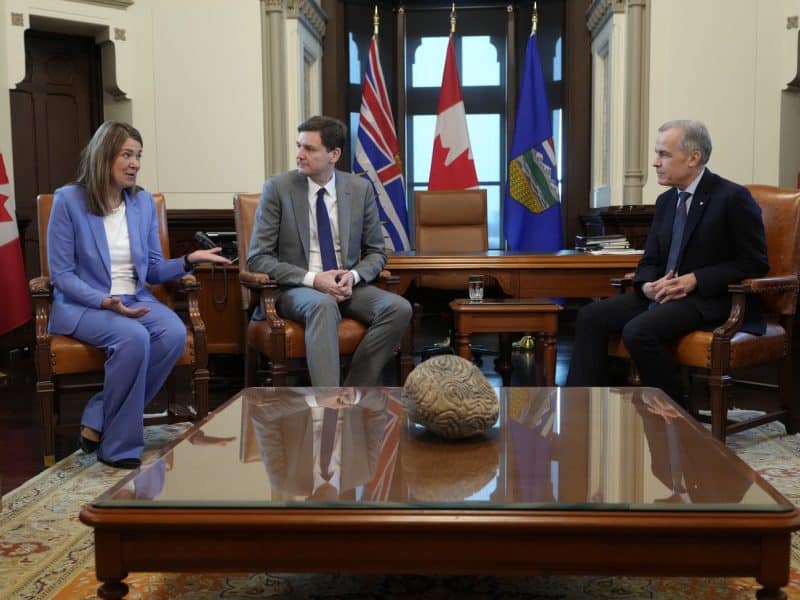
‘Borderline friendly’: Premiers of Alberta and B.C. meet with Carney, talk pipeline
Alberta Premier Danielle Smith met with her B.C. counterpart David Eby and Prime Minister Mark Carney in Ottawa to talk about various topics, including a potential pipeline through B.C. to the West Coast.
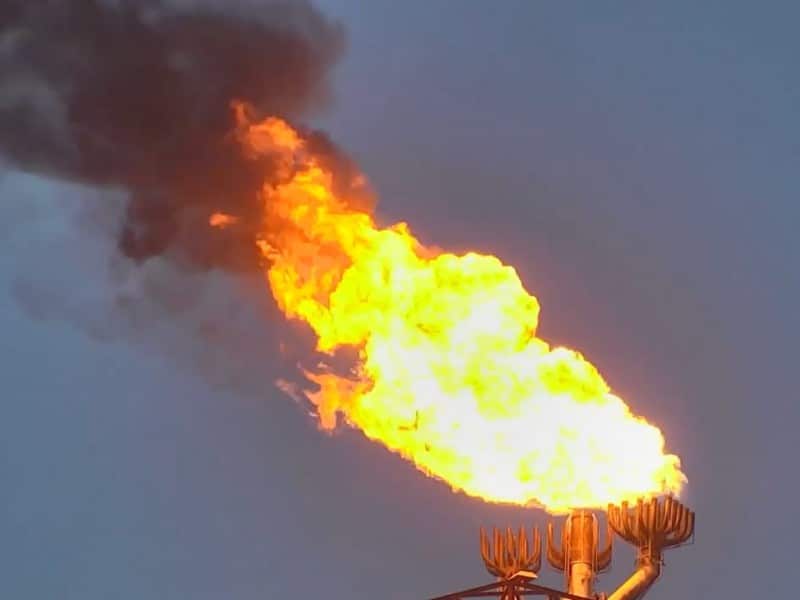
‘How do we correct this?’ Kitimat residents seek solutions to LNG Canada flaring fiasco
The Kitimat community is asking questions after it was revealed LNG Canada has been consistently flaring more than 15 times the amount of gas than expected due to an equipment “integrity issue.”
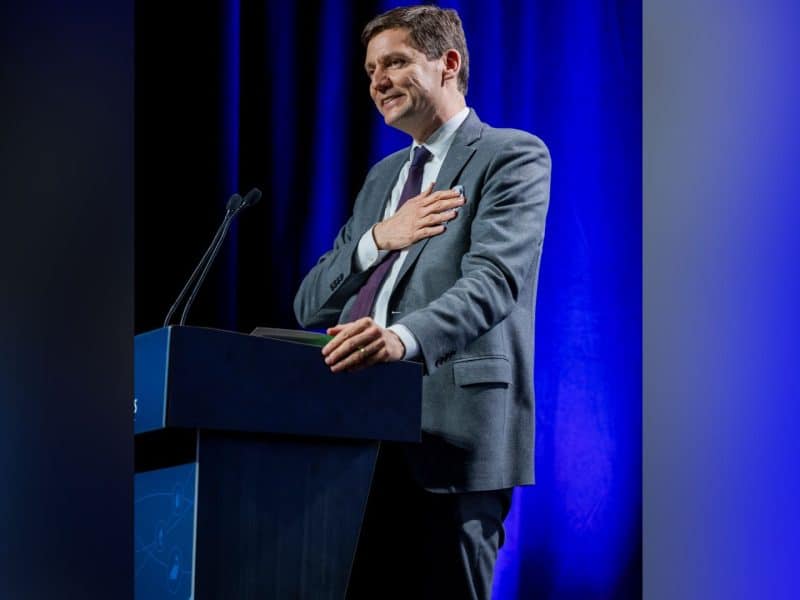
Premier touts further progress on Consensus Document with First Nations
B.C. Premier David Eby told attendees at Prince George’s B.C. Natural Resources Forum that signings were made in relation to the Consensus Document signed by Treaty 8 First Nations.