
BC Wildfire Service releases details of eco-recovery project after Donnie Creek wildfire
The BC Wildfire Service (BCWS) has released a new video about an eco-cultural recovery project completed after the Donnie Creek wildfire in collaboration Doig River First Nation.
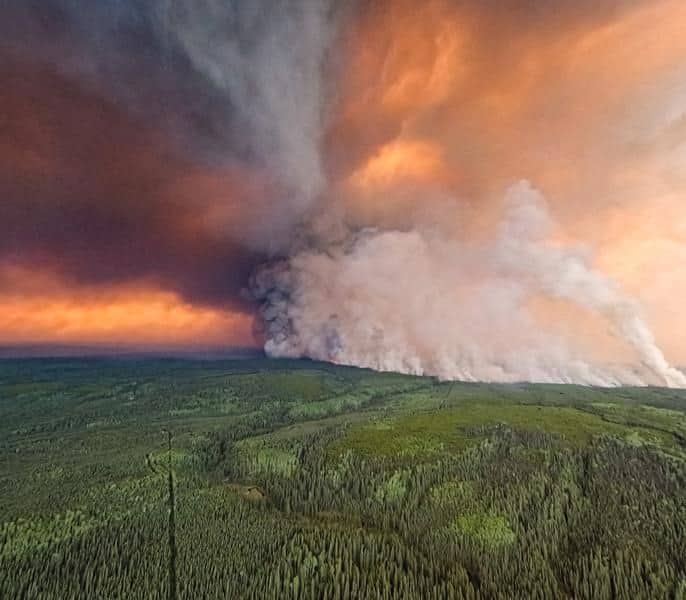
FORT ST. JOHN, B.C. — The BC Wildfire Service (BCWS) has released a new video about an eco-cultural recovery project completed in collaboration with a local First Nation.
The BCWS released highlights of the efforts to restore the land made by the University of British Columbia (UBC) forestry and conservation scientist Dr. Lori Daniels and UBC students, alongside Doig River First Nation (DRFN) land and water management guardians.
The project began in 2023 in the area affected by the Donnie Creek wildfire.
It was located within DRFN’s traditional area, grew to over 600,000 hectares and was among the largest in the province’s history.
BCWS sent its wildfire land-based recovery team to establish research plots in the area. However, a wildfire located near DRFN territory led to an evacuation of the area in May 2024.
After the evacuation, sessions continued in June and July of 2024, focusing on physical, biological and eco-cultural impacts. A session with DRFN Elders surrounding community engagement and their concerns was also held.
The study is the first of its kind to happen within the Boreal Black Spruce eco-type forest.
Latest Stories
Jennifer McCracken, lands and resources manager for DRFN, says research surrounding the area recovery was being conducted “in a sensitive way.”
“[DRFN]’s territory has been the location of large, catastrophic fires,” said McCracken. “They have really taken a personal toll on the community. They’ve had multiple evacuations in recent years.
“Last year was a really difficult year for the community in terms of evacuation. Even when the fires are not forcing them to evacuate, they’re still smelling and seeing the smoke.”
DRFN restoration coordinator Kayla Read says the conservation project had a “grassroots approach” to healing the land.
Read is a registered biologist and forest technician.
“It involves Nation projects and finding out what values are important [to Nation members],” said Read. “I started conversations about some questions the Nation had with landscape recovery.”
Reg Nolander, who managed the BCWS wildfire land-based recovery team, said proper restoration in the boreal forest area can only happen through partnership.
“It’s important because we don’t have a lot of information about the high-intensity fires in the boreal forest,” said Nolander. “We met with the Elders from DRFN.
“We learned so much from their knowledge. If you don’t take the time to learn from the folks to live on the land, you’ll miss something.”
The six-and-a-half-minute video on YouTube, which is available here, also has interviews with DRFN Elders, the land-based recovery team, and Dr. Daniels.
Stay connected with local news
Make us your
home page
Authors
Related Articles
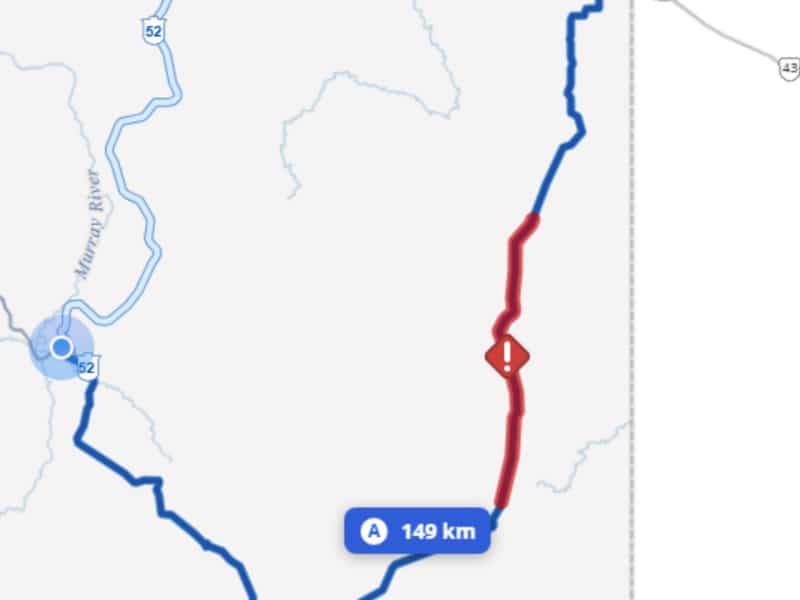
Single-lane traffic on Highway 52 due to wildfire
There will be single-lane alternating traffic daily from 7 a.m. to 9 p.m. on Highway 52 due to the Sunderman Creek wildfire.
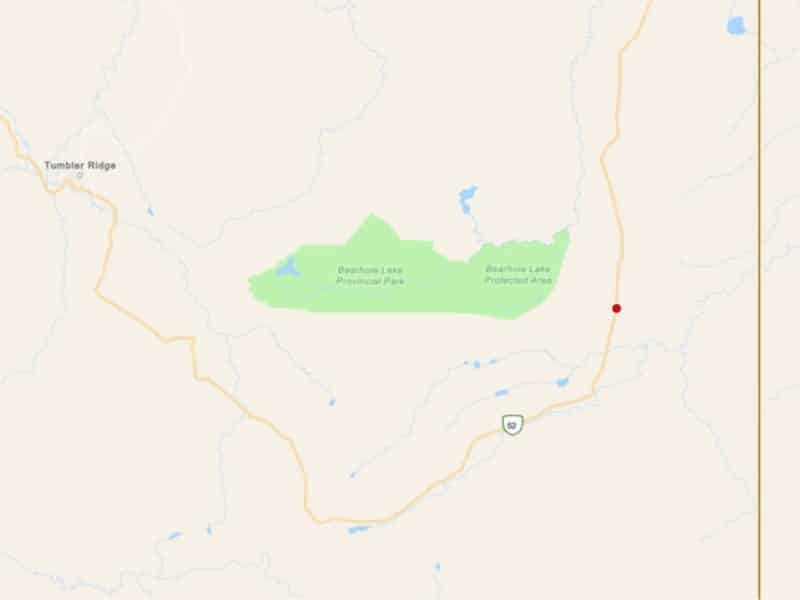
(UPDATE) Wildfire reported near Bearhole Lake Provincial Park
A wildfire has been reported near Bearhole Lake Provincial Park, adjacent to Highway 52.
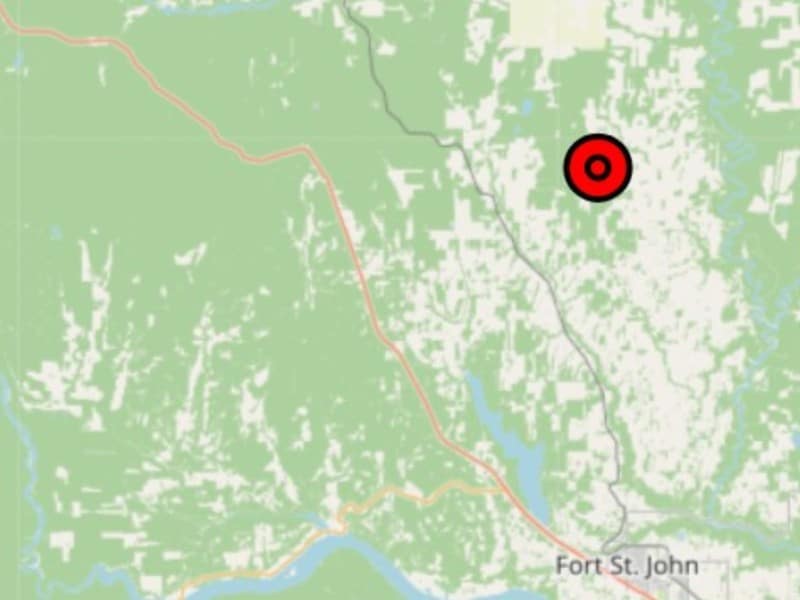
(UPDATE) BCWS fights wildfire north of Fort St. John
The one-hectare wildfire was reported during the afternoon of Wednesday, May 13th.