
Leadership and legacy highlighted at Black History Month event at NLC
Assuming leadership and seizing Black identity were the focal points of a Black History Month event in Fort St. John on Thursday evening.
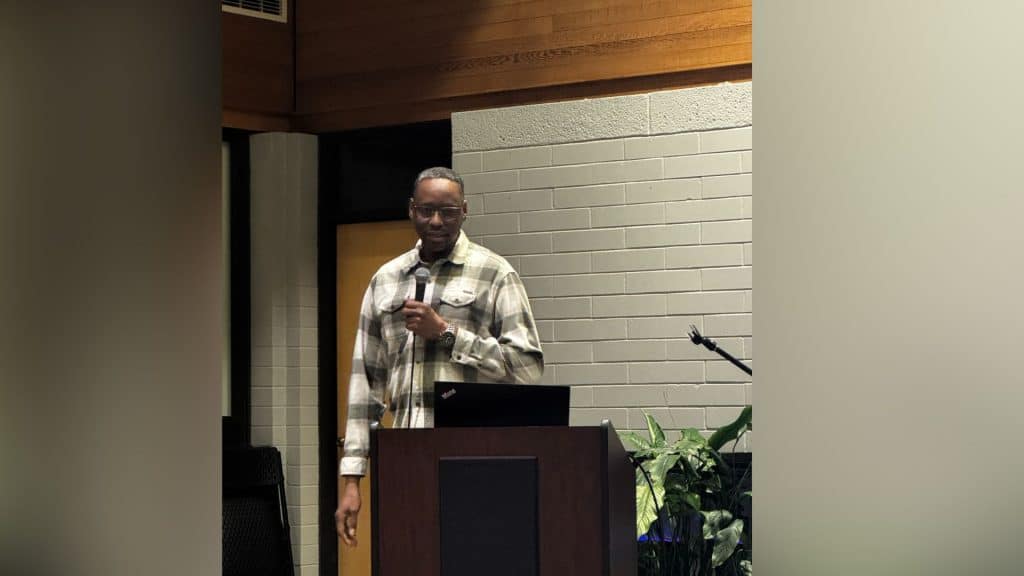
FORT ST. JOHN, B.C. – Assuming leadership and seizing Black identity were the focal points of a Black History Month event in Fort St. John on Thursday evening.
Organized by the Pan African Caribbean Association of Fort St. John and taking place at Northern Lights College (NLC) , the event was themed around Canadian legacy and leadership and empowering future generations.
Speakers included Cassandra Baker-Watson, a resource teacher with School District 60. Originally from Jamaica, she moved to Fort St. John from Toronto back in 2019.
“This is a time to reflect, educate and deepen our understanding of Black identity,” Baker-Watson told onlookers. “I feel like I know that I am Black, I’m a female and I have power and authority. But, I often notice others engage differently with their own Blackness.
“I am a firm believer [that] embracing Black identity is more than an act of self-affirmation. It is an act of empowerment. I have a shirt that says ‘unapologetically Black’, which I wear at the beginning of every February.”
Discussion throughout the event featured topics like financial literacy, mental health and empowering the younger children in the Black community.
The event had roots in an annual gala which was hosted at the college beginning in 2019.
Latest Stories
“Leadership means everything,” said Masitsa Shamalla, known around the city as just her surname. Shamalla was one of the organizers of the gathering and the association’s president.
“I’m excited about this year’s theme. With the children here, which is a part of [the] legacy, it’s about passing that knowledge on and seeing one take over this event in the future.”
Shamalla originally came to Canada from Kenya. After completing her studies in the Toronto area, she came to Fort St. John via Vancouver in 2015.
As a BIPOC counsellor, she told the crowd about her first visit to Doig River First Nation back in 2017.
“Walking on the road, I was stopped and a gentleman said to me ‘what’s a Black girl doing out on First Nations land?’ My colleagues were horrified. I just burst out laughing. I asked, ‘what are you doing out here?’ I said ‘I enjoy your land. I love it out here.’ You can only laugh when you’re comfortable with yourself.”
James Senanu, an independent contractor with a background in information technology, gave an introduction to a fashion portion of the event, which included a fugu garment worn by royalty in his home country of Ghana.
The runway catwalk featured facts about clothing colours, which in Africa symbolize things such as passion, strength, wealth, power, fertility and growth. The runway portion was emceed by Oluchi Eguzozie, a business management graduate of the school.
“It is a garment worn from the north of my country,” said Senanu. “I come from the south. We have worn it for casual dress, but it’s typically a royal wear from the north.”
The event’s keynote speaker was Dr. Issoufou Soumaila, the chair of NLC’s university arts and science studies since 2019. He is also an economics professor at the school.
A native of the country Niger, he spoke about financial stability and income within the Black community, comparing wealth and income to a bathtub and a water tap.
He pointed to historically significant locations such as Black Wall Street in Tulsa, Oklahoma, as an example of achievable and sustainable Black wealth.
Also known as the Greenwood district, the area had prominent concentrations of Black businesses. It was burned to the ground in 1921 in racially-motivated protests, killing as many as 300 people.
“Empowerment is not only about just having freedom, but it also comes from being financially independent,” said Soumaila.
The Canadian Federal Government first recognized February as Black History Month in 1995. Beginning with a week in the 1920s, it was first recognized as a month in the United States in 1970.
More information about the Pan African Caribbean Association of Fort St. John is available on the group’s Facebook page.
Stay connected with local news
Make us your
home page
Authors

Related Articles
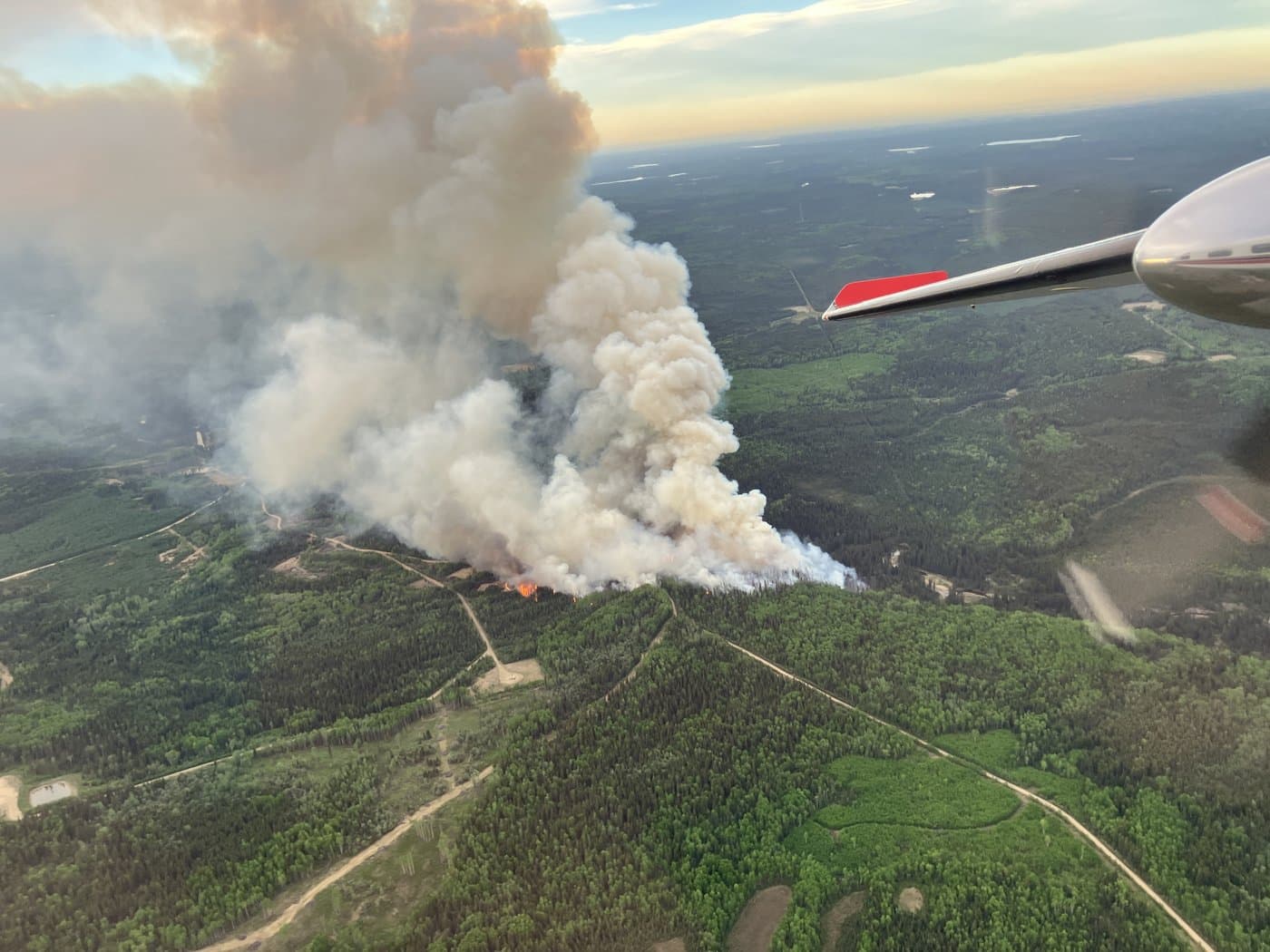
Nearly 200 forest fires fought in northeast B.C. during wildfire season 2025
Wildfire season 2025 saw 199 blazes in northeast B.C., while the province saw 1,350 in total.
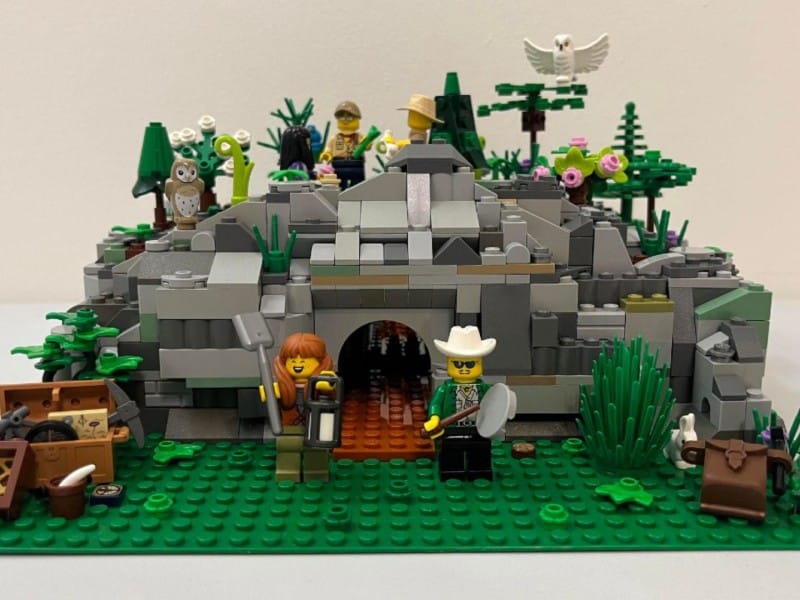
FSJ Build-Off returns to city for International Lego Day 2026
The annual International Lego Day event, FSJ Build-Off, returns to Fort St. John in 2026.
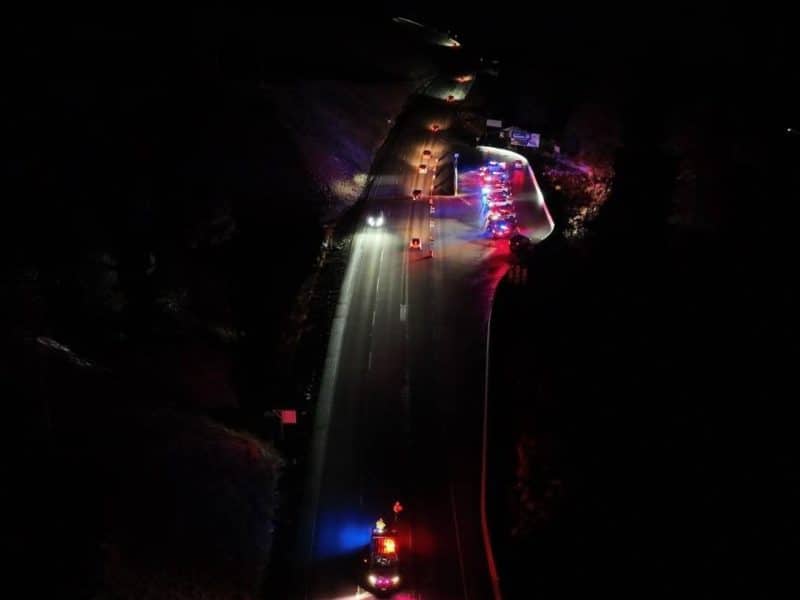
Number of impaired northern B.C. drivers stopped by police in December bucks trend
Results from BC Highway Patrol’s annual winter impaired driving campaign in December 2025 shows an increase in the number of motorists stopped in the north.