
Regional board pushes for input on future local wind projects
Regional directors are “deeply concerned” about “losing their voice” over major wind energy projects.
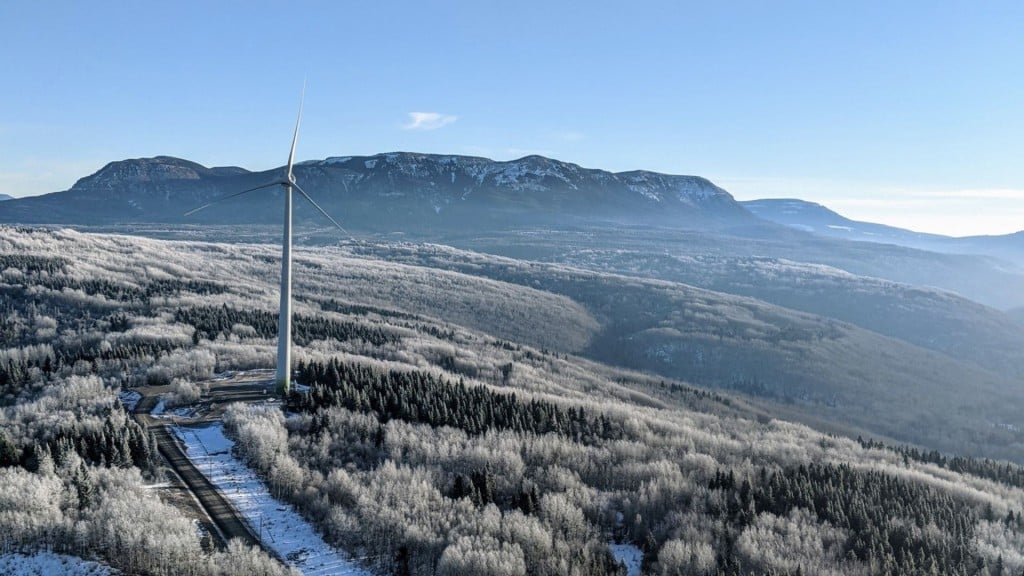
FORT ST. JOHN, B.C. – Regional directors are “deeply concerned” about “losing their voice” over major wind energy projects.
During a January 23rd committee of the whole meeting of the Peace River Regional District (PRRD), the board of directors engaged in a lengthy discussion about wind energy projects and the alleged lack of benefits for the region.
Following several conversations and disagreements between directors, the PRRD sent a letter to the Ministry of Energy, Mines and Low Carbon Innovation in July 2024, detailing the district’s concerns about “cumulative impacts and regional benefits from wind farms in the region”.
Josie Osborne, the then minister, explained in a reply letter in September 2024 that all large clean energy projects in B.C. are required to undergo environmental assessments due to the province’s Environmental Assessment Act.
Because BC Hydro mainly purchases power from large wind facilities developing between 40 and 200 megawatts, most of these projects would automatically require an assessment which would also consider possible environmental, economic and social effects.
“The EA process requires the proponent to assess the effects from the full life span of the project, including the decommissioning phase. This includes proposing measures to mitigate the environmental, economic, social, health and heritage effects of decommissioning,” Osborne wrote.
During the board’s discussion, Bradley Sperling, director for Electoral Area C, raised concerns about a lack of economic benefit in future wind energy projects, and explained he felt the projects were for the benefit of the lower mainland, rather than the Peace River region.
Latest Stories
Several of the board members met with Adrian Dix, the new minister of energy and climate solutions, during the BC Natural Resources forum in Prince George, and left with concerns regarding the possibility of losing the requirement that projects undergo environmental assessments.
During the committee of the whole, many of the directors expressed that they felt their concerns about protecting their region’s interests were disregarded by the minister.
Board chair Leonard Hiebert, director for Electoral Area D, spoke about the government contradicting itself regarding the need for EAs, with former Minister Osborne’s letter stating there would be EAs for all large projects and current Minister Dix stating otherwise.
“[Dix’s] comment was ‘I’m the minister’, and he can do it. ‘I’m the minister to make a decision.’ [It] took me back but it basically told me no matter what we say or do, he’s going to do what he wants anyway,” Hiebert said.
“But that doesn’t mean we can’t keep fighting to make sure we get that back because we can’t let up on it now.”
Travous Quibell, director for the District of Hudson’s Hope, called upon his community’s recent experience “dealing with the repercussions of a very large project” in the province, BC Hydro’s Site C hydroelectric dam.
He warned without an environmental assessment certificate, the district will have limited legal grounds to protect its residents.
“My deep concern with them attempting to throw the EA process out the door is that we lose our voice. The EA process is one of those places, and it’s one of the few places we have left where we can tie conditions to a project,” Quibell said.
“We get consulted by the provincial government all the time, but consultation is usually a checkbox, ‘we told you’, it’s not receiving feedback. We have very limited opportunity for feedback, we have very limited opportunity to apply conditions that can be enforced.”
Dan Rose, director for Electoral Area E, stated that removing the EA requirement might be due to the length of time it adds to projects and speculated that the government’s decision to remove the need for EAs could be an attempt to push major projects through faster.
“There probably is a concern about whether they would survive another election, so perhaps the focus needs to be on streamlining the process, while still allowing us an opportunity to comment as well as have conditions set that we can use as to hold whoever’s building to account,” Rose said.
“This isn’t whether you’re for or against wind turbines, or whether it’s needed or not, it’s about the process,” Sperling said.
Following the discussion, the board of directors approved a recommendation to the board to send a letter to Premier David Eby and the provincial legislature, outlining the district’s opposition to the removal of the environmental assessments process for windfarm projects.
As the discussion and decision were made in a committee of the whole meeting, rather than a regional board meeting, the recommendation will be brought into a future regional board meeting and voted upon again.
Stay connected with local news
Make us your
home page
Authors

Related Articles

B.C.’s latest credit downgrade signals ‘something wrong’ with finances: economist
VICTORIA — An economist says the latest downgrade for British Columbia’s credit rating will discourage companies from investing in the province. Standard & Poor’s global ratings lowered its rating this…
Guild distributes quilts made to spread love to Tumbler Ridge
Quilters province-wide sent pieces to Tumbler Ridge after an appeal in the wake of the tragedy in February.
Snowfall, ‘rapidly changing’ weather expected, says Environment Canada
Heavy snowfall is expected in northern B.C. on April 6th, according to a weather alert from Environment Canada.