
Learning the ‘fundamentals of Arctic sport’: Fort Nelson First Nation to host iSPARC camp
FNFN’s Chalo School is set to host an iSPARC athletic and coaching clinic development camp highlighting Arctic games.
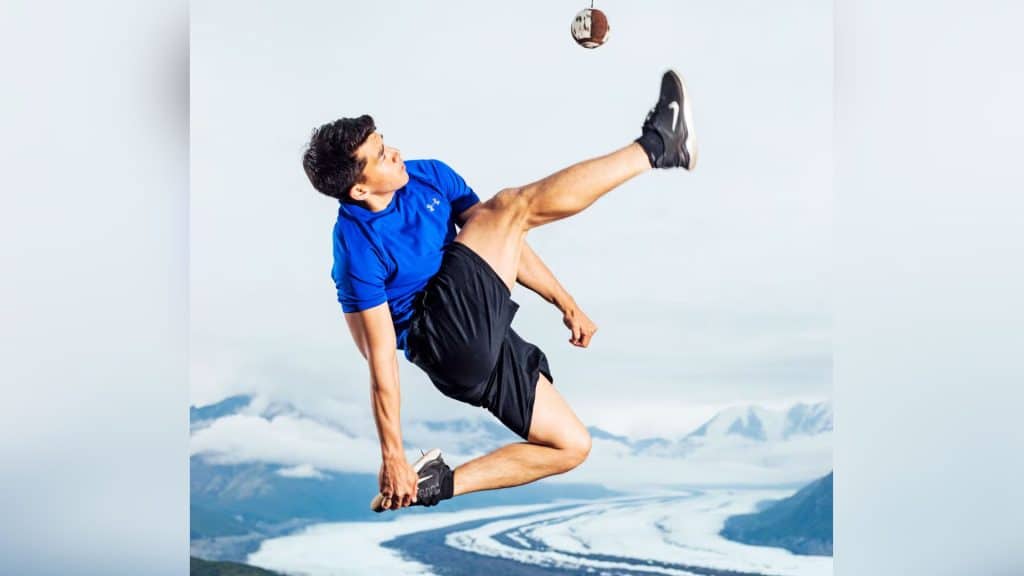
FORT NELSON, B.C. — This weekend, Fort Nelson First Nation (FNFN). Tomorrow, for some athletes and coaches, the international stage.
FNFN’s Chalo School is set to host an athletic and coaching clinic development camp highlighting Arctic games on January 23rd to 25th.
Athletes at the camp will be introduced to the games as they prepare for the North American Indigenous Games (NAIG) in 2027.
The games at the camp will be listed as “demonstration sports” on the NAIG itinerary.
According to communications director Brock Freeman, the event is being held in conjunction with the Indigenous Sport, Physical Activity and Recreation Council (iSPARC), a provincially based First Nations-Sport body.
The games featured include the one-and-two-foot high kick, Alaskan high kick, Scissor broad jump, Inuit and Dene stick pull, and seal hop.
He adds this camp will be the first, and further camps will be held as the games approach 2027.
Latest Stories
“This camp will focus on the fundamentals of Arctic sport,” said Freeman. “[They are] new to a lot of people, and a lot of Indigenous youth haven’t experienced it.
“There are more competitions in Arctic sport, but we’re just trying to narrow it down to introduce the sports to Indigenous youth.”
Balance and core strength are key to success, says Freeman. He equates the training as similar to training for traditional gymnastics.
Indigenous athlete Kyle Worl, who has amassed 100 medals throughout his sporting career, will be a key trainer of the camp.
Based in Juneau, Alaska, the North American Indigenous Athletics Hall of Fame’s website credits Worl with bringing about a “renaissance” among Alaskan athletes, including leading a squad at the 2018 Native Youth Olympics in Anchorage.
“[He’s] really had an engagement with the Aboriginal Sports Circle and NAIG Council,” said Freeman of Worl’s participation.
“He’s done some online clinics with some of our staff, just walking them through the sports.”
The three-day camp begins on Thursday, January 23rd with the coaching clinic, scheduled from 3:00 p.m. to 8:00 p.m.
It will conclude two days later with the development session scheduled for Saturday, January 25th, from 9:00 a.m. to 4:00 p.m.
Indigenous youth aged 10 to 18 are urged to attend.
Both days will be hosted at the Chalo School at 4021 Fontas Road in Fort Nelson.
The 2027 NAIG will be held in Calgary, Alberta with Tourism Calgary expecting over 5,000 people from 756 First Nations.
Registration for the development camps can be done by accessing iSPARC’s website.
Stay connected with local news
Make us your
home page
Authors
Related Articles
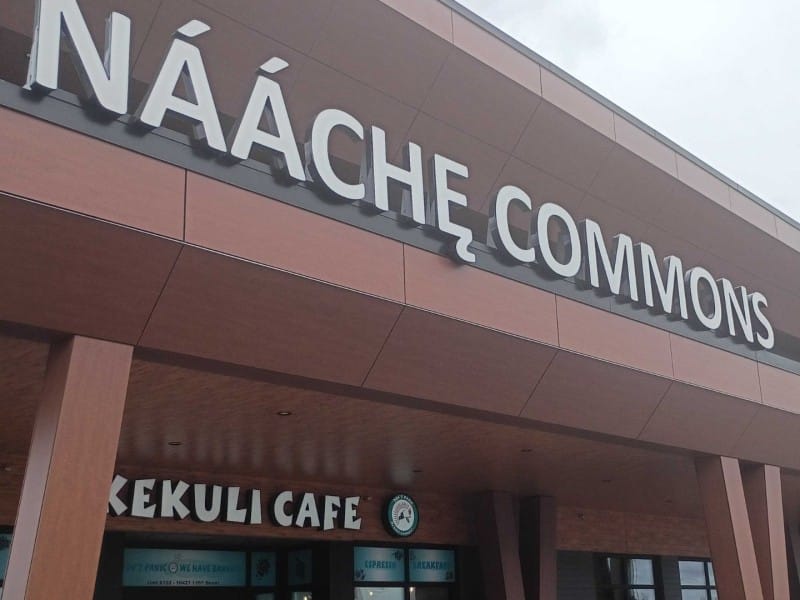
Doig River First Nation councillors and Fort St. John Mayor speak of the opening of Naache Commons in the city
Both Doig River First Nation Chief and Council and Fort St. John’s Mayor had positive comments after the opening of the Nation’s Urban Reserve, Naache Commons in the city.
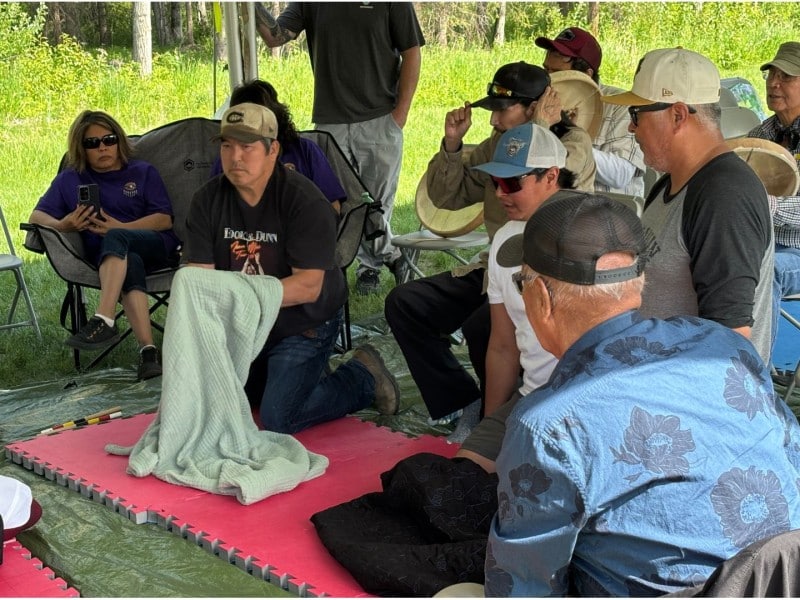
Family, friends and culture celebrated at Halfway River Arbour Days
The third-annual celebration is held honouring Maizie Metecheah, who envisioned an arbour at Halfway River First Nation where community could gather
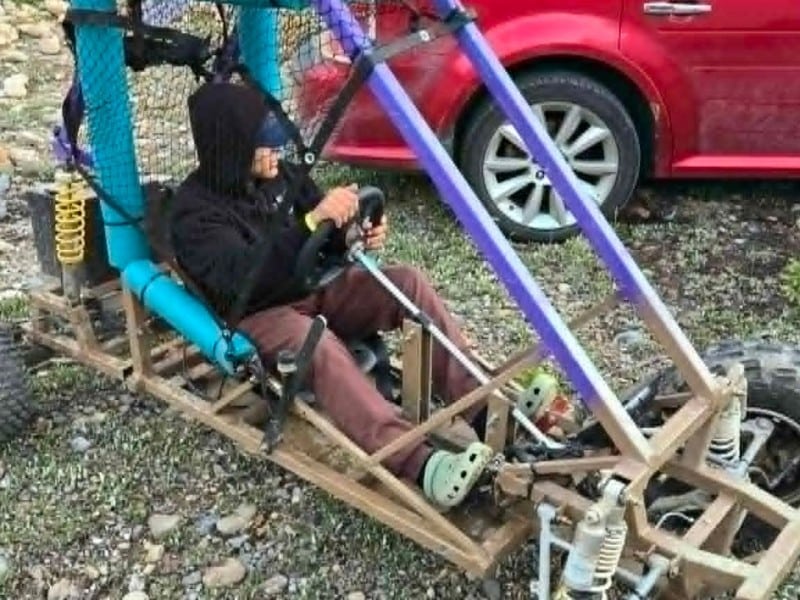
Instructor talks about Fort Nelson school’s experience at Edison Motors EV Challenge
Chalo School in Fort Nelson’s team had two top 15-finishes at the Edison Motors EV Challenge in Donald in early June.