
SD 60 endorses Equity Action Plan
During its December 16th meeting, the School District 60 (SD60) board officially endorsed its Equity Action Plan (EAP) to improve educational outcomes for Indigenous students.
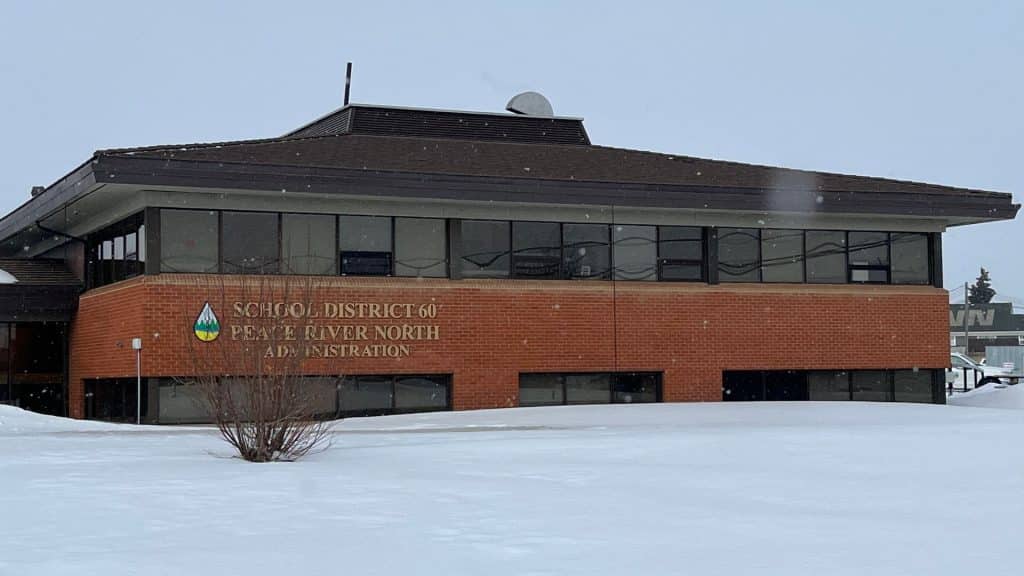
FORT ST. JOHN, B.C. — During its December 16th meeting, the School District 60 (SD60) board officially endorsed its Equity Action Plan (EAP) to improve educational outcomes for Indigenous students.
The EAP was created as a collaborative effort between the school board, local First Nations and Indigenous Communities, and the Ministry of Education, with the goal of “improving educational commitment for all Indigenous students.”
SD60 Superintendent Stephen Petrucci supports the plan, adding that its benefits aren’t limited to students living in First Nations communities.
Local News Straight
to Your Phone
Download our app today!
Available on Android and iOS devices
“It’s a great initiative because it provides a good framework and structure to connect with local communities, First Nations, but all of our Indigenous families, as well as our educators, other staff, trustees, administration, to see what kinds of attitudes and beliefs are out there with the objective of improving education results for Indigenous students,” Petrucci says.
SD 60 will continue to build relations with First Nations communities by integrating Indigenous knowledge and culture into the schools’ learning and communities.
“It’s in great alignment with the board’s strategic plan around truth and reconciliation, so these are all very common objectives and goals that we’re working towards,” says Petrucci.
To develop the plan, the board created what it calls an “Equity Scan,” surveying more than 500 students, parents, teachers, and other figures to gain insight into inequities in Indigenous education that need to be addressed.
Latest Stories
According to the survey results, the gap in six-year completion rates between Indigenous and non-Indigenous students decreased by six per cent from 2022 to 2023.
The report also stated that the graduation rate for Indigenous students was at its highest, at 79 percent.
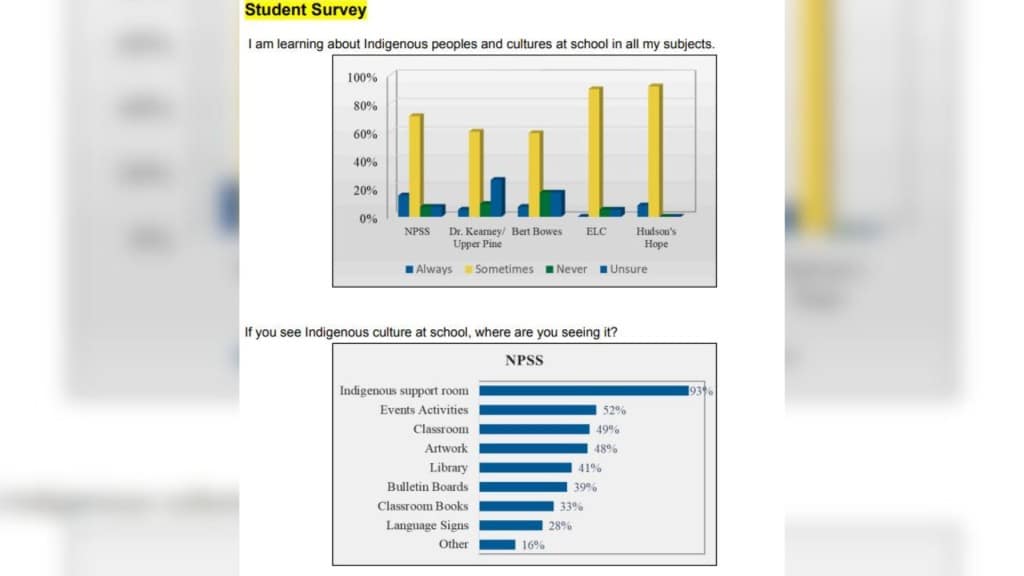
A survey of several schools in the district found that students learn about Indigenous people and cultures only occasionally in all subjects.
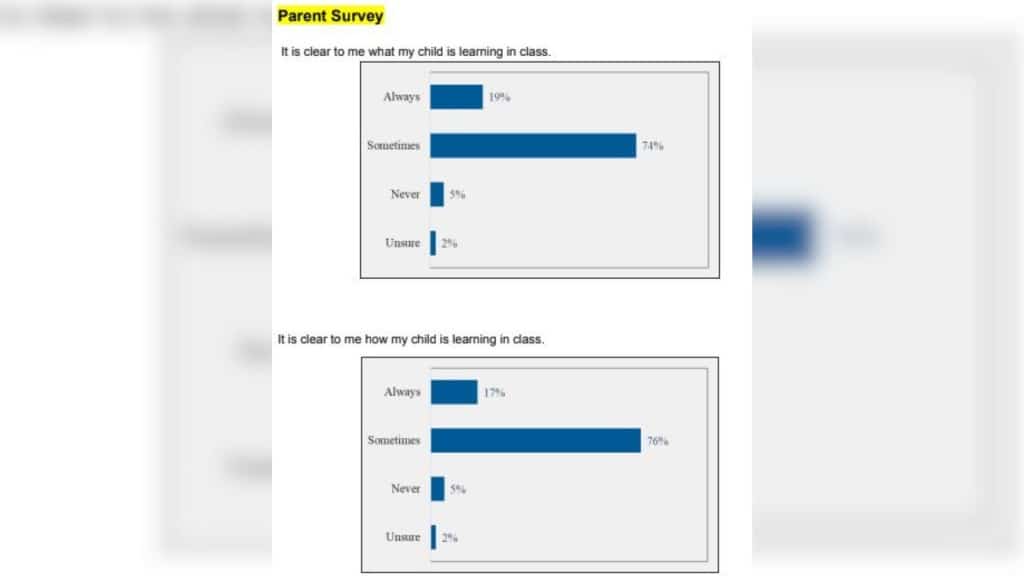
Meanwhile, parents’ survey responses indicated that it’s not always clear to them what their children are learning in school.
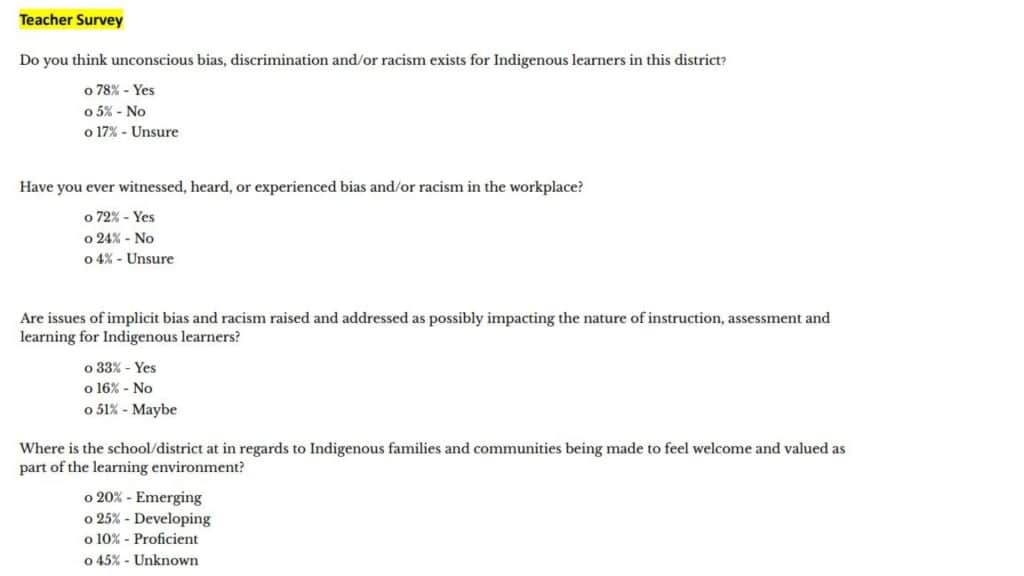
A poll of educators found that 78 per cent of teachers believe unconscious bias, discrimination, or racism exists for Indigenous learners.
Petrucci responded to the survey with a mixed reaction, saying it showed “positive results” but also areas for improvement.
“Overall, students generally identified that there were learning opportunities and activities specific to local Indigenous peoples, and so that was positive. In other cases, you know, some of the percentages of feeling welcome at school really varied from school to school, so that’s something we could work on,” said Petrucci.
Another 72 per cent of teachers say they have witnessed or experienced bias and racism in the workplace.
Superintendent Petrucci says there is a systemic need to continue addressing racism and discrimination.
“We need to make sure that all of our schools have the same kind of approach and results.”
The EAP includes an action plan for 2024 and 2025, which will be implemented through a collaborative and inclusive process.
Starting in 2025, district staff on the curriculum committee will work with Doig River First Nations to develop a local history curriculum.
The EAP has four pillars: policy and governance, the learning environment, pedagogy, the practice of teaching, and the learning profile.
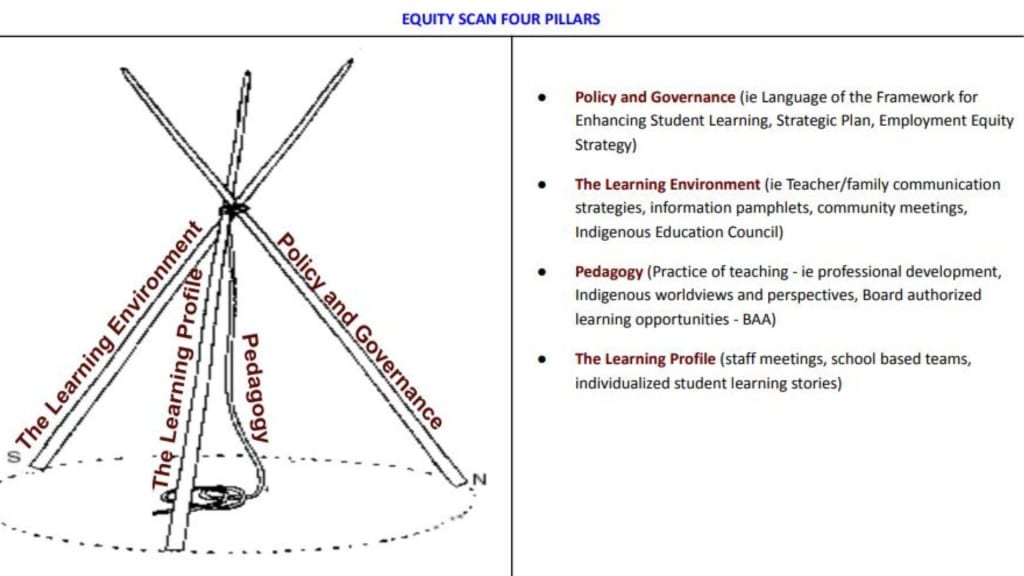
“It’s a great structure on grounding documents and data. Collectively, that makes sure that we look at all aspects of the school district when thinking about these types of improvements that we want to make for our Indigenous students,” says Petrucci.
The 2024/2025 action plan also has four goals:
- Foster an educational environment that addresses “privilege, bias, and racism.”
- Establish effective and culturally respectful communication with families.
- Enhance the district’s staff cultural competence and skills to create cultural safety.
- Develop policies and practices supporting equity for Indigenous learners and build partnerships with families and rights holders.
The full Equity Scan report can be found starting on page 23 of the SD 60 regular board meeting agenda for Monday, December 16th, 2024 below:
Stay connected with local news
Make us your
home page
Authors

Related Articles
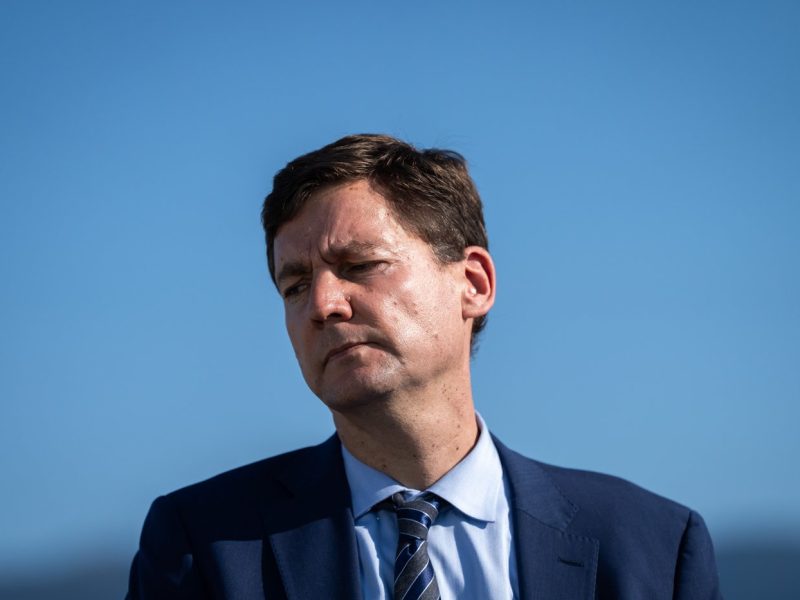
‘Absolute betrayal’: First Nations blast Eby in leaked transcript of DRIPA meeting
A leaked transcript of a meeting between Indigenous leaders and British Columbia Premier David Eby, about his plan to suspend the province’s Declaration on the Rights of Indigenous Peoples Act,…
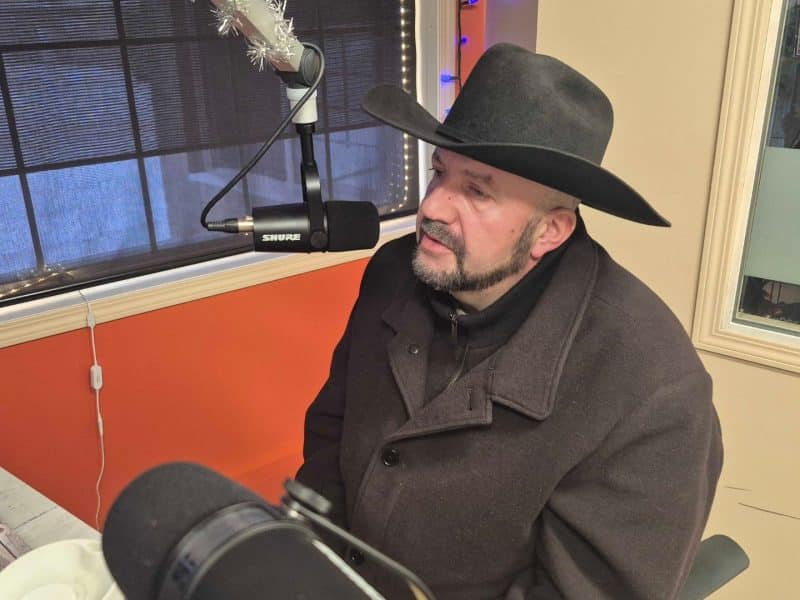
Peace River North MLA to meet with minister about Taylor Bridge
Peace River North MLA Jordan Kealy said he is in the process of scheduling a follow-up meeting with Mike Farnworth, B.C. minister of transportation and transit, to discuss the Taylor Bridge.
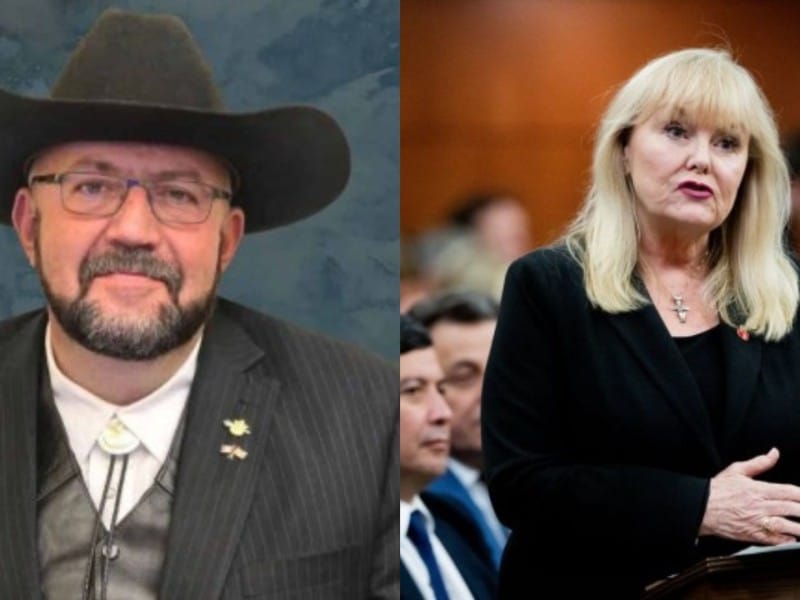
Peace River North MLA endorses B.C. Conservative leadership candidate
Peace River North MLA Jordan Kealy has announced his support for Conservative Party of British Columbia leader candidate Kerry-Lynne Findlay.