
Future climate projections suggest warmer, wetter Northeast B.C.
During the September 12th Committee of the Whole meeting, the Peace River Regional District (PRRD) reviewed an update on the Regional Climate Resiliency Plan, which is approaching the final stages of research.
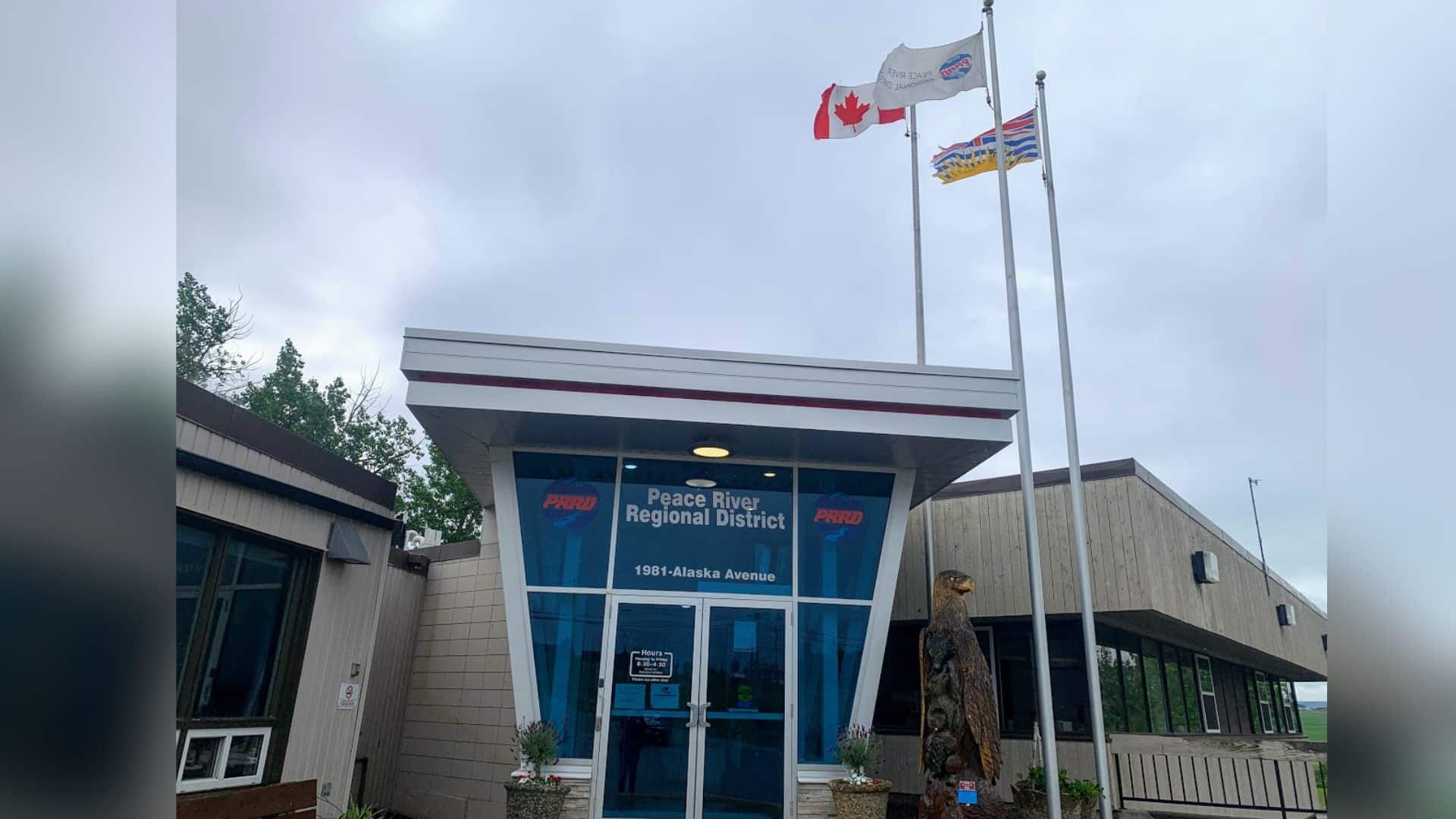
FORT ST. JOHN, B.C. – During the September 12th Committee of the Whole meeting, the Peace River Regional District (PRRD) reviewed an update on the Regional Climate Resiliency Plan, which is approaching the final stages of research.
Cariad Garratt, a principal of Pinna Sustainability Inc., presented the PRRD board of directors with an update on the resiliency plan, including climate projections for the next 50 years and the data collected from rural regions of Northeast B.C.
“The project involved gaining a better understanding of the potential impacts of climate change in the Peace Region, and identifying the role for the regional district to help improve resilience,” Garratt explained.
The project began in February 2024, and according to Garratt, is on track to be completed in March 2025.
As of the September update, a memo on data, policy, and projections has been circulated to stakeholders. Additionally, two staff workshops and several data-collecting outreach activities have also been completed.
An interim summary report was submitted to the PRRD in August, which was the topic of Garratt’s presentation to the board of directors.
Climate projections completed during data collection indicated that Northeast B.C. would face ‘considerably warmer’ summers, warmer winters and longer growing seasons in the next 50 years.
Latest Stories
“These projections help us understand the potential conditions that the region needs to prepare for over the coming years and decades,” Garratt said.
According to historical temperature data collected for the plan, the Northeast experienced an average of 12 days a year which registered temperatures of over 25 degrees.
According to climate projections by the 2080s, this will increase to as many as 50 days a year with temperatures over 25 degrees. Garratt cautioned that this change in temperature could result in increased heat stress and water demands across the region.
Warmer temperatures are also projected for the winter months, with an average increase to the growing season of 38 per cent. Extreme weather events such as windstorms, hailstorms and rainstorms are also predicted for the region.
The projections also indicated an increase in spring and autumn precipitation rates, which could lead to more frequent flooding. Precipitation is expected to decrease in the summer months however, largely due to earlier snowmelt and reduced snowpack during the winter months.
When conducting research into community greenhouse gas emissions, data indicated that 52 per cent of regional emissions were related to transportation, with 39 per cent of this coming from heavy duty vehicles. 11 per cent was linked to solid waste, and 37 per cent originated from buildings.
When conducting public engagement surveys, residents of the PRRD raised concerns about various topics including changes in wildlife and the natural environment, emergency services and public health, and public services.
Garratt explained that the data gathering period of the project has concluded, and the project is now halfway completed.
A stakeholder and staff meeting on action planning was held at the Dawson Creek PRRD office on September 17th, and drafts of the Regional Climate Resiliency Plan will be prepared in the months following.
Stay connected with local news
Make us your
home page
Authors

Related Articles
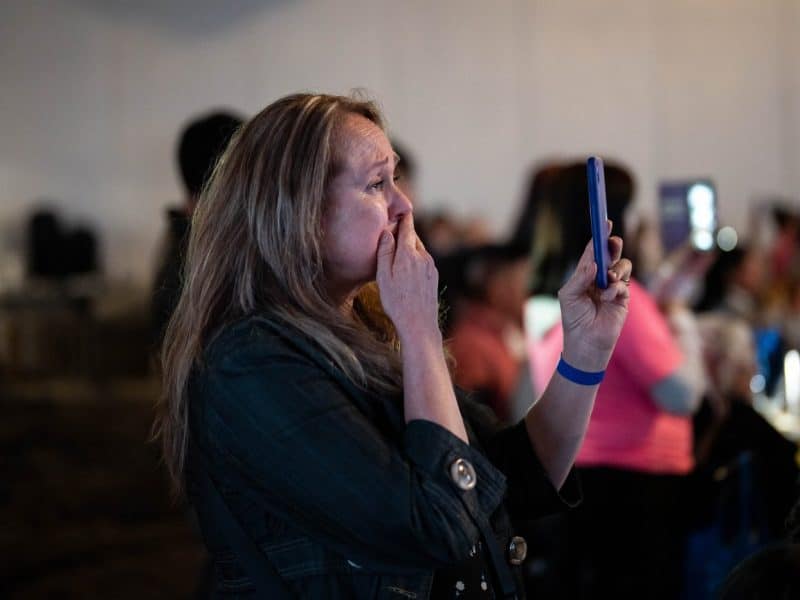
Tears and pride as Lapu Lapu survivors gather at community dinner before anniversary
VANCOUVER — After Lapu Lapu attack survivor AJ Sico sang the national anthem from his wheelchair in a Vancouver banquet hall, he was met with a standing ovation — a fitting tribute, his family says, to his stubbornness and resilience. Sico, fellow survivors and relatives of victims of the attack
Police investigating after man dies ‘under suspicious circumstances’ in Sooke, B.C.
SOOKE — Police say they are investigating the death of a man under “suspicious circumstances” on southern Vancouver Island. A statement from the RCMP in Sooke says officers were called to a mobile home park at around 3:20 a.m. Saturday after the man’s body was found. They say a suspect

Two men charged in 2022 Maple Ridge, B.C., homicide, believed to be targeted shooting
MAPLE RIDGE — Two men have been arrested and charged in relation to a 2022 homicide in Maple Ridge, B.C., where a 33-year-old man was killed in what’s believed to be a targeted attack. Homicide investigators say a 26-year-old man from Maple Ridge was arrested in March and charged with