
UPDATE: Northern Health delegation discusses staffing, hospital diversions with PRRD
Updated: 9:58, September 17th, 2024: According to PRRD Staff, the Northern Health delegation’s presentation is not publicly available ‘as it was not submitted in advance.’
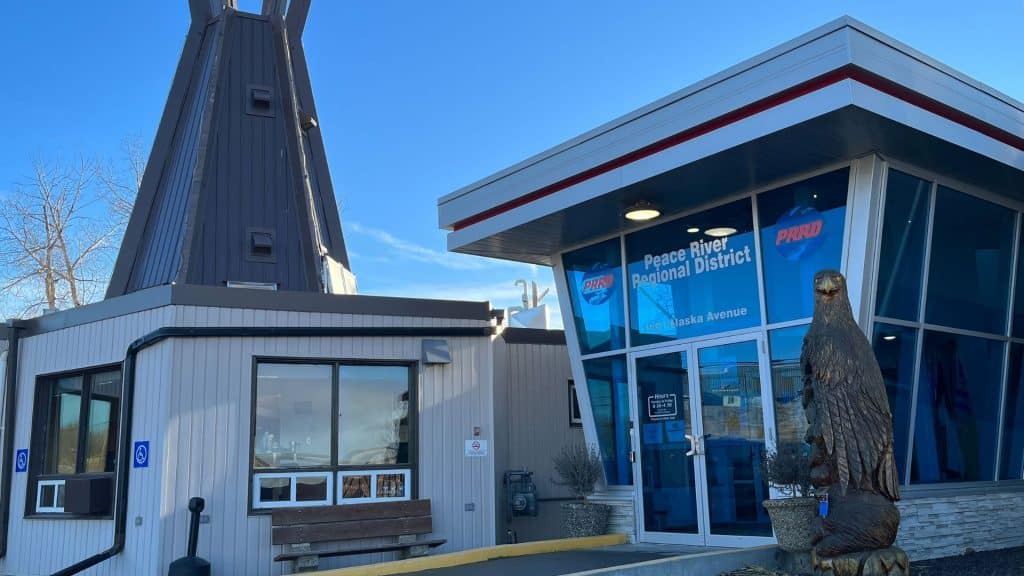
FORT ST. JOHN, B.C. – On September 12th, a delegation from Northern Health appeared before the Peace River Regional District (PRRD) Committee of the Whole via Zoom to discuss the status of staffing and hospital diversions in the region.
Lisa Zetes-Zanatta, Vice President of Clinical Operations, and Ronald Chapman, Vice President of Medicine, were in attendance virtually.
President and Chief Executive Officer Ciro Panessa was not present, despite being directly invited by the board and appearing as a member of the delegation on the PRRD’s agenda.
According to the members of the delegation, he was pulled into a meeting before the start of Northern Health’s presentation.
The presentation slides supporting the delegation were not provided ahead of the meeting for vetting by PRRD staff, and therefore some statistics and information are unavailable at this time.
When speaking about diversions, Zetes-Zanatta explained that there are currently 400 locums working with Northern Health to cover any staffing vacancies that could result in medical services interruptions.
Latest Stories
When Director Darryl Krakowka of the District of Tumbler Ridge asked about public notice regarding diversions, the delegation explained that the health authority works ‘up to the eleventh hour’ to cover them before announcing them to the public.
A list of diversions is sent to locum workers in the region as soon as a week before the possible diversion, and approximately 75 per cent of diversions are resolved by locum medical service worker coverage.
Zetes-Zanatta also stated that the health authority is working to develop a digital alert system to keep residents informed ‘up to the minute.’
She explained that Northern Health was working to reduce the diversions, and intended for the new doctors and healthcare workers expected to start work in the coming months to help ensure hospital closure frequencies continue to decline towards the end of the year.
On the subject of staffing, retention and recruitment, the delegation explained that Northern Health was working with the other health authorities across the province to re-evaluate the disadvantages the north faces with agency healthcare support and incentives encouraging professionals to move and work with Northern Health.
When board members asked Chapman what the most common obstacles to worker retention were, he explained that during exit interviews, Northern Health does not always get the ‘real’ reason behind the individual’s departure. However, he did explain that one of the most common reasons given was family circumstances.
Chapman stated this was either the former Northern Health employee moving away from the region to be closer to their family, or moving with their family away from the region in search of opportunities related to their family.
Stay connected with local news
Make us your
home page
Authors

Related Articles

South Peace People’s Choice Awards 2026 Winners
Here are the winners of the 2026 South Peace People’s Choice Awards presented by SL Enterprizes Ltd. These winners were voted by the people.

Energeticcity.ca Weekly Review: Our New News Director
In this edition of the Weekly Review, we announce our new News Director leading the news team. Plus, the most-read stories of the week.
Bluey Day participant ‘ecstatic’ to raise more than $30K
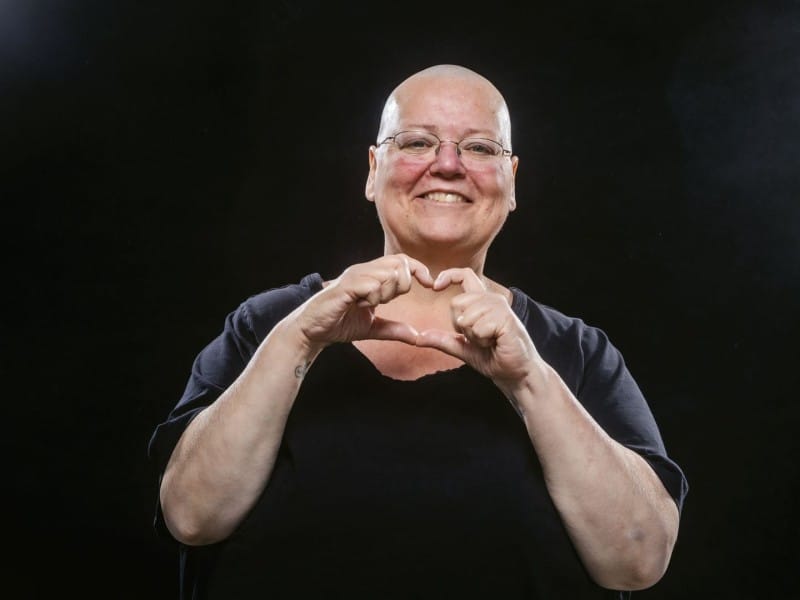
Bluey Day participant, Kelly Fell has raised $31,017 for Bluey Day 2026 towards the diagnostic and treatment equipment of cancer patients.