
Prescribed burnings help Stone’s sheep habitat in Northeast B.C.
Several prescribed fire burnings in Northeastern B.C. will maintain and enhance the Stone’s sheep habitat, according to two forestry organizations.
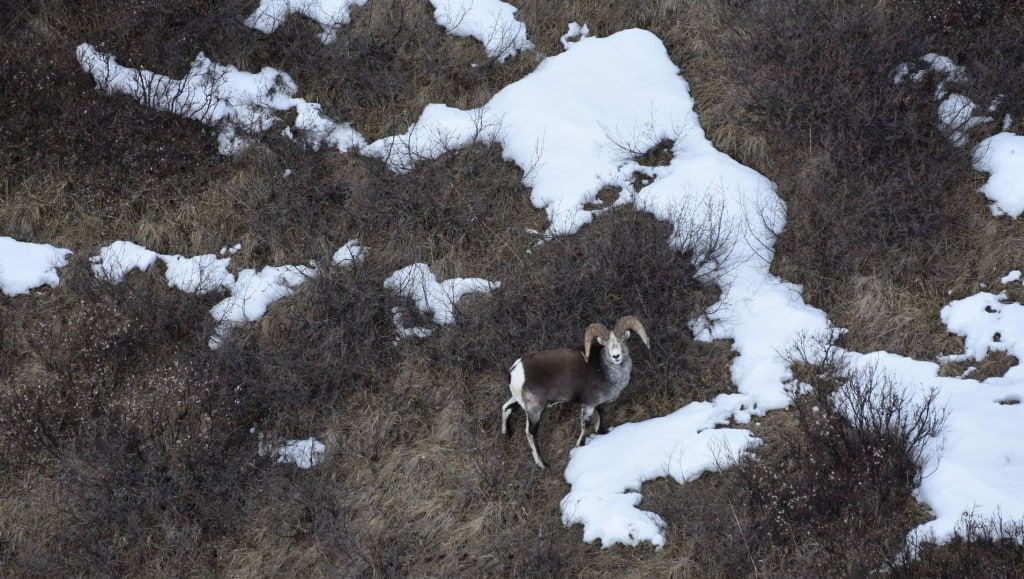
KAMLOOPS, B.C. — Several prescribed fire burnings in Northeastern B.C. will maintain and enhance the Stone’s sheep habitat, according to two forestry organizations.
The Forest Enhancement Society of BC (FESBC) and Habitat Conservation Trust Foundation (HCTF) said in a press release on Wednesday that they have funded prescribed burnings as part of forest management practices in recent years.
“Prescribed fire is a long-standing management practice to restore important foraging habitats for wild sheep and many other species such as moose, elk, and mule deer,” said HCTF’s CEO Dan Buffett.
Looking for something to do?
Check out our new Events Calendar!
“HCTF is proud to co-fund this work with FESBC so that our project leader can complete this critical work to benefit Stone’s sheep in the Peace Region.”
In May 2024, Ridgeline Wildlife Enhancement Inc. worked on two prescribed burns, enhancing over 600 hectares (1,400 acres) of the habitat.
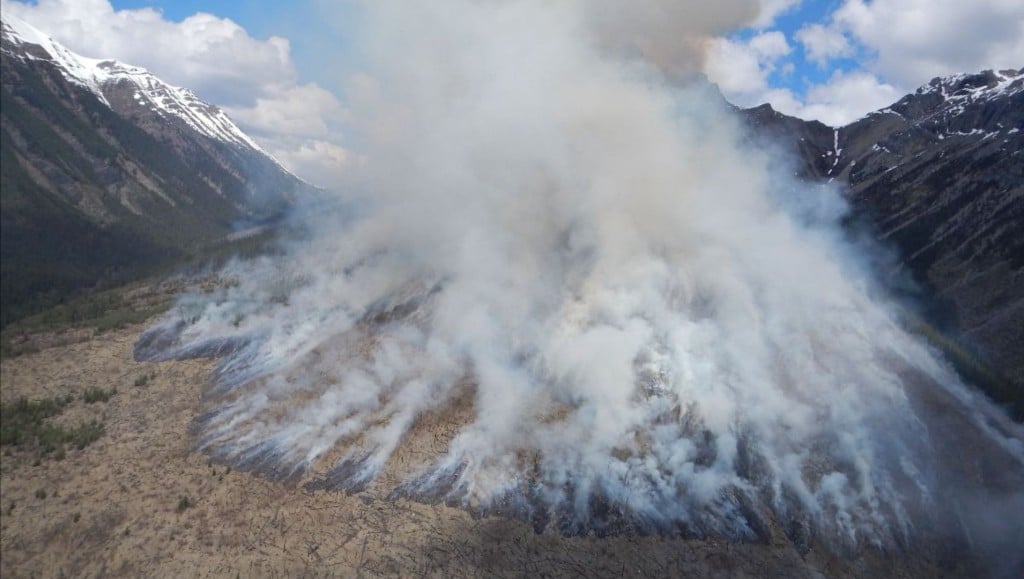
The habitat will now improve the sheep’s ability to forage for food and spot predators due to reduced shrub coverage.
Latest Stories
In 2022, 160 hectares of prescribed burning were done to the sheep’s winter habitat as part of a broader objective to maintain the area for Stone’s sheep and bighorn sheep.
According to the release, nearly half the world’s population of stone sheep can be found in the northeast of the province.
“The funds provided by HCTF and FESBC result in a direct, on-the-ground, immediate benefit to Stone’s sheep and their habitat,” said Ridgeline wildlife biologist Alicia Woods.
According to Woods, new vegetation was visible within 10 days of the burn and new forage by eight weeks.
“Our goal is to establish a cycle of burns that continuously rejuvenates the habitat,” said Woods, “Ideally, we’re looking to manage these lands in a way that maintains ecosystem diversity across the landscape, which will, in turn, support the wildlife the northeast is renowned for.”
The project plans to expand the treated areas by covering between 500 to 1,000 hectares annually across multiple studied areas.
Stay connected with local news
Make us your
home page
Authors

Related Articles

Conservative leadership hopeful Milobar changes campaign manager after investigation
VICTORIA — Peter Milobar will be without his longtime campaign manager during the final stretch of the race to become the new leader of the Conservative Party of B.C. amid controversy stemming from a 2024 website and mail-out. Milobar’s campaign said in a statement released Saturday on social media that

Police in B.C. after investigating fatal collision between motorcyclist, semitruck
VICTORIA — Police in Delta, B.C., say a 31-year-old man is dead after his motorcycle collided with a semi-truck on a major bridge in Metro Vancouver. A statement from Delta Police says the motorcyclist was pronounced dead at the scene following the collision on the Alex Fraser Bridge on Saturday

City spokesperson says Crystal Pool is safe again, but remains closed until Tuesday
VICTORIA — All eight people taken to hospital Friday after two chemicals combined to create chlorine gas in a Victoria recreation facility have been released, as the investigation into the exposure continues. Colleen Mycroft, the city’s intergovernmental and media relations manager, says WorkSafeBC staff are continuing their search for the